Is the Global Financial Order Changing? China, BRICS and the Future of the Dollar
Mar 08, 2026

WPS

China, BRICS, and the Future of the U.S. Dollar
For decades, the global economy has operated within a relatively stable financial architecture centered around the U.S. dollar. From international trade and commodity markets to central bank reserves and global finance, the dollar has served as the backbone of the international monetary system.
Yet in recent years, signs of gradual transformation have begun to emerge. The rise of emerging economies, expanding cooperation among non-Western markets, and the growing use of alternative currencies in international trade have prompted economists and policymakers to reconsider the long-term future of the global financial order.
At the center of these discussions stands China a country that has transformed itself from a regional economic power into one of the most influential actors in the global economy.
The Emergence of a Multipolar Financial System
Following the end of the twentieth century, many economists assumed the world would enter a prolonged era of financial stability under a dollar-centric system.
However, the economic and geopolitical developments of the twenty-first century have challenged that assumption. Rapid growth in Asia, the increasing influence of developing economies, and shifting patterns in global trade have led analysts to speak of a possible transition toward a multipolar financial system.
In such a system, the U.S. dollar may remain a dominant currency, but its share of global reserves and transactions could gradually decline while other currencies gain importance.
China’s Expanding Role
China’s economic rise has been one of the defining developments of modern global economics. Over the past four decades, the country has grown into the world’s second-largest economy and a leading player in global manufacturing and trade.
Beijing has increasingly sought to expand its influence within the international financial system. These efforts include promoting the use of the Chinese yuan in cross-border transactions, investing in international infrastructure, and strengthening financial cooperation with emerging economies.
A key element of this strategy has been large-scale investment in global infrastructure through the Belt and Road Initiative.
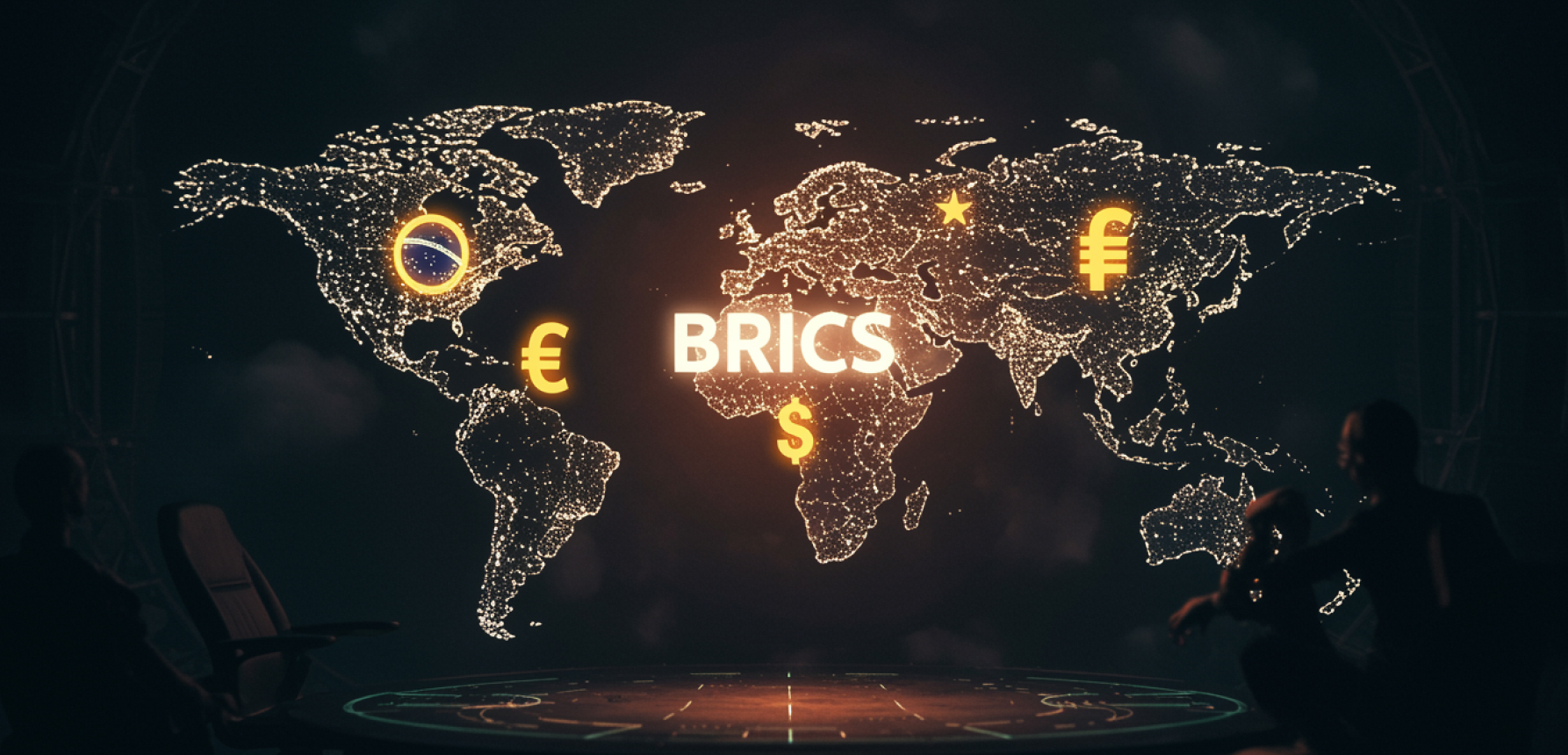
The Growing Influence of BRICS
Another important development in the evolving global financial landscape is the rise of the
economic bloc known as BRICS.
Initially formed by Brazil, Russia, India, China, and South Africa, the group has expanded in recent years as additional countries seek closer economic coordination.
Collectively, BRICS economies represent a substantial portion of global GDP and a significant share of the world’s population. As a result, some analysts view the bloc as a potential counterweight to traditional Western-dominated economic institutions.
Alternative Financial Infrastructure
One key issue shaping the future of global finance is the development of alternative financial infrastructure.
For decades, the financial messaging network SWIFT has served as a critical platform for international bank transactions.
However, some countries have begun exploring alternative payment systems designed to reduce reliance on Western-dominated financial networks.
If these systems expand, they could eventually create parallel financial ecosystems within the global economy.
Energy Markets and Currency Shifts
Energy markets have historically played a central role in the international monetary system.
For decades, the majority of global oil trade has been conducted in U.S. dollars a framework often described as the “petrodollar system.”
In recent years, however, some energy transactions have increasingly been conducted in alternative currencies, particularly in trade relationships involving China.
While these shifts remain limited in scale, economists note that widespread adoption of non-dollar energy trade could have long-term implications for global financial markets.
China and the U.S. Treasury Market
Another key element in global finance is the U.S. Treasury market, which remains the largest and most liquid government bond market in the world.
Many countries hold U.S. Treasury securities as part of their foreign exchange reserves. China, in particular, has long been one of the largest foreign holders of American government debt.
Any significant shift in China’s investment strategy could attract attention from global financial markets. However, economists frequently emphasize that the economic interdependence between China and the United States makes sudden changes unlikely.
The Future of the Dollar
Despite these developments, most experts agree that the U.S. dollar will remain the world’s dominant currency for the foreseeable future.
Several factors support this position:
• the depth and liquidity of U.S. financial markets
• global confidence in American financial institutions
• the dollar’s central role in international trade
• the influence of U.S. financial institutions worldwide
Nevertheless, some analysts expect the global currency system to gradually diversify over the coming decades.
A World in Transition
What the global economy may be experiencing today is less a sudden transformation and more a gradual transition toward a more complex financial structure.
Economic influence is increasingly distributed across multiple regions, and financial networks are becoming more diversified.
In this environment, understanding long-term trends in geopolitics, economics, and technology will be essential for investors, policymakers, and global institutions.
FAQ
Can BRICS replace the Western financial system?
At present, BRICS functions primarily as a platform for economic cooperation among emerging economies. However, as the group expands and deepens financial collaboration among its members, some analysts believe it could play a larger role in shaping the global economic landscape in the future.
Is the U.S. dollar losing its dominance?
The U.S. dollar remains the world’s primary reserve currency and continues to dominate global trade and financial markets. Nevertheless, the gradual increase in international transactions conducted in alternative currencies suggests that the global monetary system may become more diversified over time.
What role does China play in the global economy?
China is the world’s second-largest economy and one of the most influential players in global trade and manufacturing. Through international investment, infrastructure initiatives, and growing financial influence, China has become a central actor in discussions about the future structure of the global economic system.
What is the significance of alternative payment systems?
Alternative financial infrastructure aims to reduce reliance on traditional global payment networks such as SWIFT. If these systems expand significantly, they could create parallel financial networks and reshape how international transactions are conducted.
Could energy trade influence the future of global currencies?
Energy markets have historically played a crucial role in the international monetary system. Since a large share of global oil trade has traditionally been conducted in U.S. dollars, any shift toward alternative currencies in energy transactions could gradually influence the balance of power in global finance.
More Popular Blogs

American Hegemony in the Global Order: History, Power, and the Legacy of Empire
A deep analysis of American hegemony, its roots in British imperialism, and its global impact from economic dominance to geopolitical influence and modern power structures.

Irani News
03/30/2026
11 min read

Resilient Economy in Iran; From a Historical Experience to a Global Model for Sustainable Development
Discover how Iran’s resilient economy has evolved from a historical approach into a sustainable development model. Learn about innovation, self-sufficiency, and peopledriven economic growth shaping the future.
Irani News
04/11/2026
6 min read
Category
The Most Active

Riv Design
Company