Exploring the Rich Legacy of Iranian Poets and Writers
Nov 29, 2025

Irani World
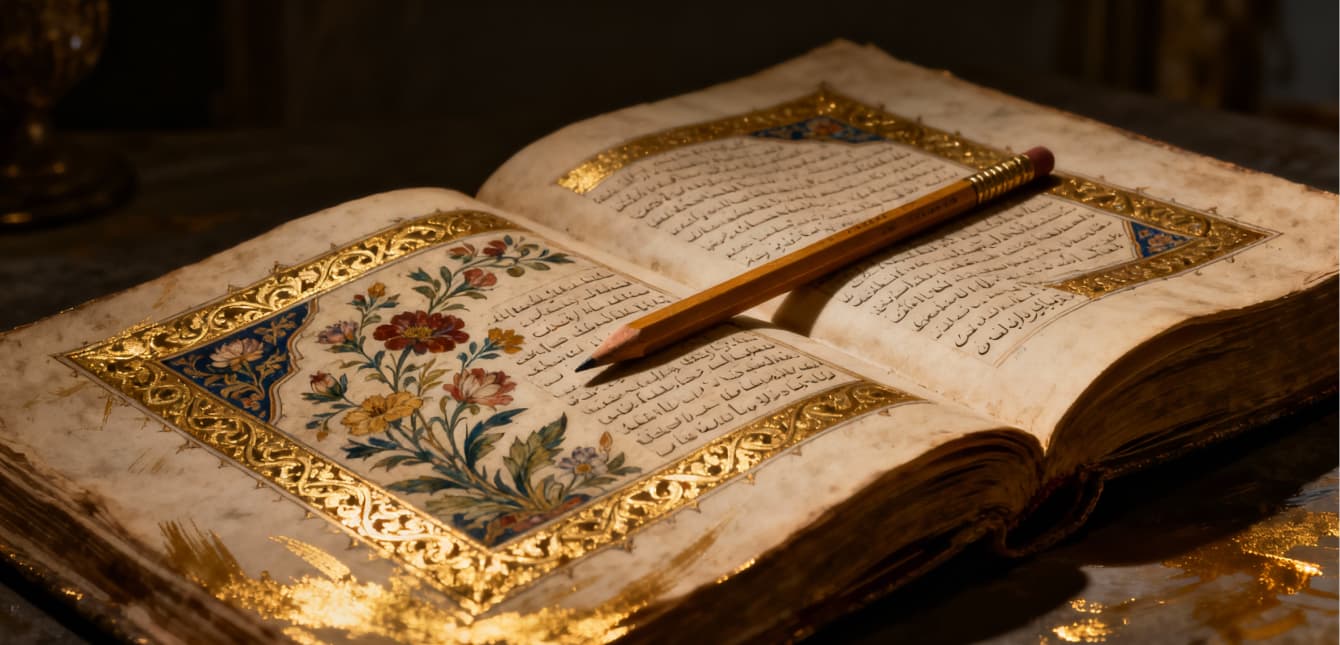
Iran's literary heritage, a vibrant tapestry of poetic and narrative excellence, is a unique exploration of culture, philosophy, and artistry. This rich tradition, with its profound impact on both the nation and the world, showcases the beauty of the Persian language. In this article, we explore the lives and contributions of notable Iranian literary figures, highlighting the uniqueness of their work in both historical and contemporary contexts.
The Historical Context of Persian Literature
The enduring relevance of Persian literature, which dates back to the 9th century, is a testament to its rich cultural influences, including Zoroastrianism, Sufism, and the philosophies of neighbouring regions. The evolution of Persian poetry, marked by distinct periods, continues to resonate with readers, each period reflecting unique characteristics and themes. The Classical period's strong emphasis on morality, philosophy, and mysticism, as well as the Modern period's focus on themes of social change, identity, and political discourse, all contribute to the enduring relevance of Persian literature.
Golden Age of Persian Poetry
The Golden Age of Persian poetry, spanning from the 10th to the 15th centuries, produced some of the most celebrated poets in history. Figures such as Rumi, Hafez, and Omar Khayyam have left an indelible mark not only on Persian literature but also on global literary traditions. Their works merge beauty with profound wisdom, touching on themes of love, spirituality, and philosophical inquiry.
Rumi: The Mystic Poet
Jalal ad-Din Muhammad Rumi, commonly known as Rumi, is a renowned figure in Persian literature. His works transcend cultural boundaries and remain globally admired. His poetry, richly textured with spiritual depth and insight, continues to resonate with audiences today. Key works like "Masnavi" offer a unique blend of poetry and philosophy, illustrating Rumi's understanding of the human experience and divine love. His famous line, "The wound is the place where the Light enters you," captures the essence of human suffering as a path to greater understanding and enlightenment.
Hafez: The Voice of Love and Wisdom
Hafez, another pillar of Persian poetry, is celebrated for his ghazals, which explore themes of love, beauty, and the quest for truth. His works reflect the intricate social fabric of 14th-century Iran while maintaining universal themes that appeal to readers across generations. The Divan-e-Hafez, his most famous collection, remains a beloved text, often consulted for guidance and reflection. The influence of Hafez persists in contemporary culture; his verses are often quoted in social interactions and literature, illustrating his enduring legacy.
Omar Khayyam: The Philosopher-Poet
Omar Khayyam, primarily known as a mathematician and astronomer, also made remarkable contributions to Persian poetry. His Rubaiyat (quatrains) delve into themes of love, life, and the nature of existence. Khayyam's thoughts on the fleeting nature of life resonate deeply, encouraging readers to embrace the moment and seek joy amidst life's uncertainties. His famous line, "Be happy for this moment. This moment is your life," continues to inspire readers generations after his passing.
The Shift to Modern Literature
As Iran moved into the 20th century, the socio-political landscape began to change dramatically, prompting a new wave of writers to emerge. The struggles for individual rights, national identity, and political freedom became prominent themes, and authors used their pens to challenge the status quo.
Contemporary Iranian Writers
In addition to historical figures, contemporary Iranian writers like Shahrnush Parsipur and Kader Abdolah are crucial in understanding the evolution of Iranian literature in the modern era. They address themes such as identity, gender, and political turmoil, providing a critical lens on society. Their works continue to inspire and challenge readers, paving the way for future generations of writers.
Shahrnush Parsipur: A Feminist Voice
Shahrnush Parsipur is recognised for her pioneering approach to addressing women's issues in Iranian society. Her works, including "Women Without Men," blend magical realism with feminist themes, challenging traditional narratives and voicing the struggles of women. The novel tells the story of five women who strive for autonomy in the face of oppressive forces in their lives. Parsipur's unique storytelling makes her a vital contemporary figure in Iranian literature, as she raises awareness about gender discrimination while celebrating female empowerment.
Kader Abdolah: The Bridge Between Cultures
Kader Abdolah, an Iranian-Dutch writer, beautifully captures the essence of Iranian life and culture in his novels. His storytelling typically revolves around themes of immigration, identity, and belonging, providing insights into the experiences of Iranians abroad. Works like "The House of the Mosque" showcase his deep connection to his homeland while addressing universal themes of displacement and cultural intersection. Abdolah's literary prowess emphasises the importance of maintaining one's cultural identity in a globalised world.
The Impact of Iranian Literature on Global Culture
The global impact of Iranian poetry and literature is a source of pride for its readers. These works have transcended geographical borders, influencing not only related cultures but also international literature. The themes explored by these poets and writers often address universal human experiences, thus appealing to a broad audience. The connections between Iranian literature and international movements—such as the Romantic movement in Europe—suggest a shared human quest for meaning, beauty, and truth.
The Role of Persian Literature in Education
In modern times, Persian literature continues to play a crucial role in educational curricula both within Iran and in international studies of literature. By fostering an understanding of Iranian heritage and the socio-political themes within literary works, educators promote cultural appreciation and critical thinking among students.
Conclusion
Iranian poets and writers have significantly enriched global literature, reflecting a diverse tapestry of experiences and perspectives. From the timeless verses of Rumi and Hafez to contemporary voices like Parsipur and Abdolah, their contributions continue to resonate. By exploring these literary figures and their works, we can better appreciate the cultural and historical significance they hold in shaping not only Iranian identity but also enriching the world's literary landscape. Persian literature plays a crucial role in shaping and preserving our cultural identity, fostering a sense of belonging and cultural pride.
Category