Media Influence in War: How Narratives Shape Reality in Iran and Modern Conflicts
Apr 03, 2026

Irani News
Introduction — Media and War in the Modern World
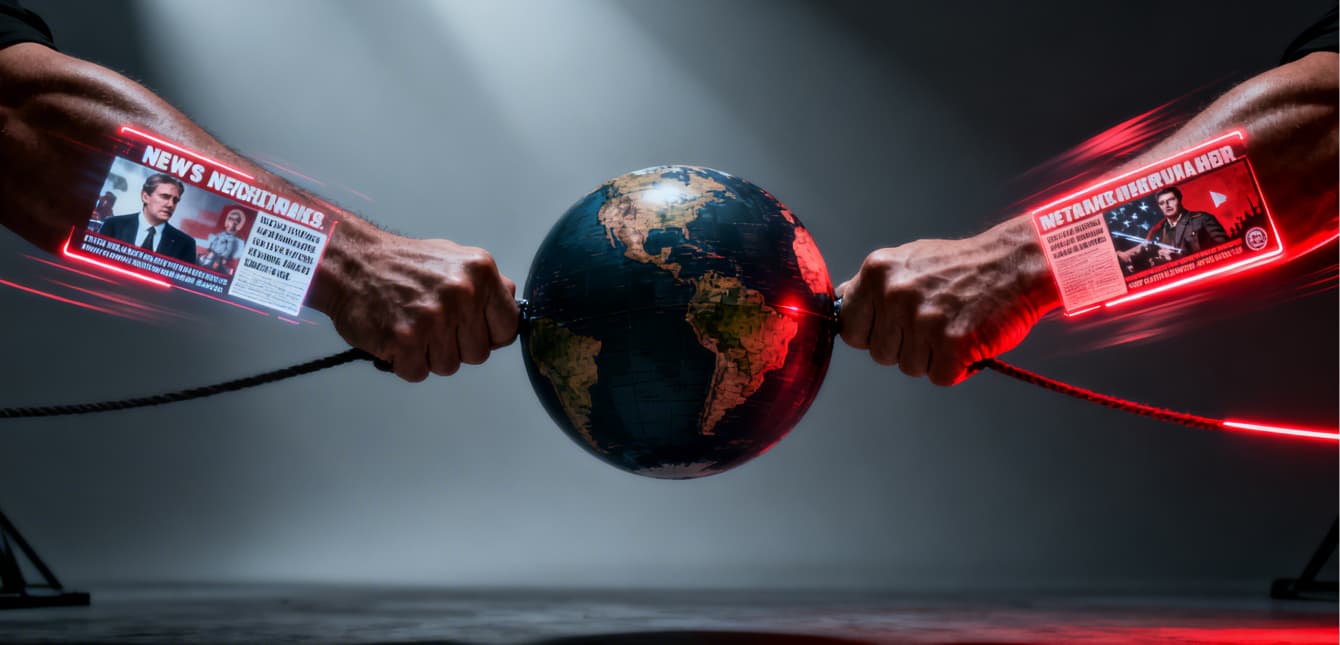
In modern warfare, the battlefield is no longer confined to geography, weapons, or military strength. One of the most decisive arenas today is perception how people interpret events, understand reality, and ultimately what they believe to be true.
Media plays a central role in shaping this perception. It no longer simply reports events; it constructs narratives, frames reality, and influences how conflicts are understood globally. This is where media influence in war becomes critical not as a secondary factor, but as a core element of power.
In the current context of Iran, this dynamic is particularly significant. Alongside physical and geopolitical pressures, there is an ongoing battle over narratives. Competing versions of reality are constantly produced, each attempting to shape global and domestic understanding of events.
Historical Use of Media in Warfare
The use of media to influence public perception is not new. Throughout history, governments and political actors have relied on communication tools to justify actions and shape public opinion.
During World War II, media was used extensively to construct a clear image of the enemy. often portrayed as inhuman or morally corrupt. This helped build internal unity and justified the immense human and economic costs of war.
In contrast, the Vietnam War marked a turning point. For the first time, television brought uncensored images of war into people’s homes. The visual reality of civilian suffering and battlefield brutality shifted public opinion dramatically, eventually contributing to pressure to end the war.
These examples demonstrate that media can both sustain and challenge warfare, depending on how it is used.
Iran and the War of Narratives
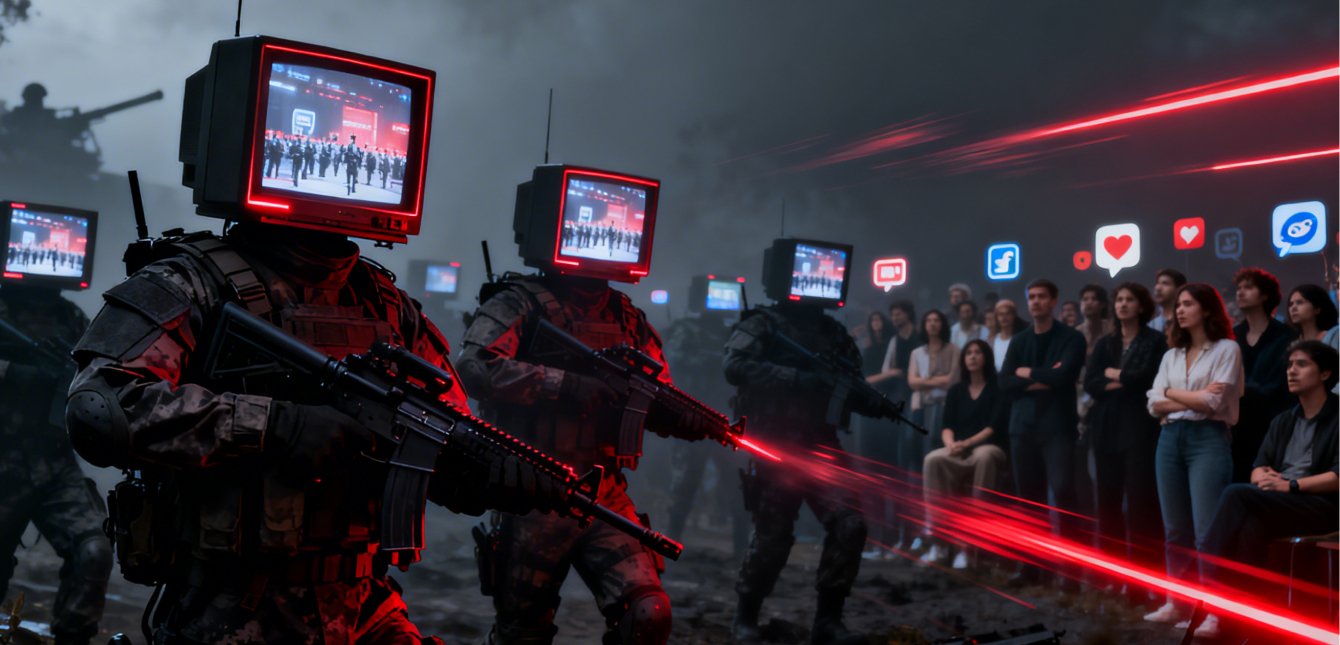
Today, Iran is not only navigating geopolitical tensions but also a complex information environment. The conflict is not solely physical it is deeply narrative-driven.
Different media outlets present contrasting interpretations of the same events. Some narratives emphasize threat and instability, while others highlight resilience, resistance, and national identity.
For audiences, distinguishing between fact and interpretation has become increasingly difficult. The volume and speed of information blur the line between reality and perception. This is where media literacy becomes essential. Understanding how narratives are constructed is a form of resistance in itself.
Mechanisms of Media Influence
Media shapes perception through several key mechanisms, often operating subtly but with powerful effects.
Framing is one of the most influential tools. By selecting which aspects of a story to highlight, media outlets guide how audiences interpret events. In the context of Iran, certain narratives may focus on conflict while ignoring broader social or cultural dynamics.
Repetition is another powerful force. When a specific narrative is repeated across multiple platforms, it becomes normalized and accepted as truth even if incomplete or biased.
Equally important is omission. What is not reported can shape perception just as strongly as what is. Silence can erase entire realities from global awareness.
Digital Media and Social Networks
The rise of digital media has transformed the information landscape. Social media platforms have become central arenas for information warfare.
On one hand, they provide access to diverse perspectives and enable individuals to share firsthand experiences. On the other hand, they accelerate the spread of misinformation and emotionally charged content.
Algorithms often prioritize engagement over accuracy, amplifying content that provokes strong reactions. This can lead to polarization and emotional decision-making rather than critical analysis.
The connection between digital media and the psychological effects of war is increasingly evident. War is no longer just fought on the ground it is fought in the minds of individuals.
Public Awareness and Resistance in Iran
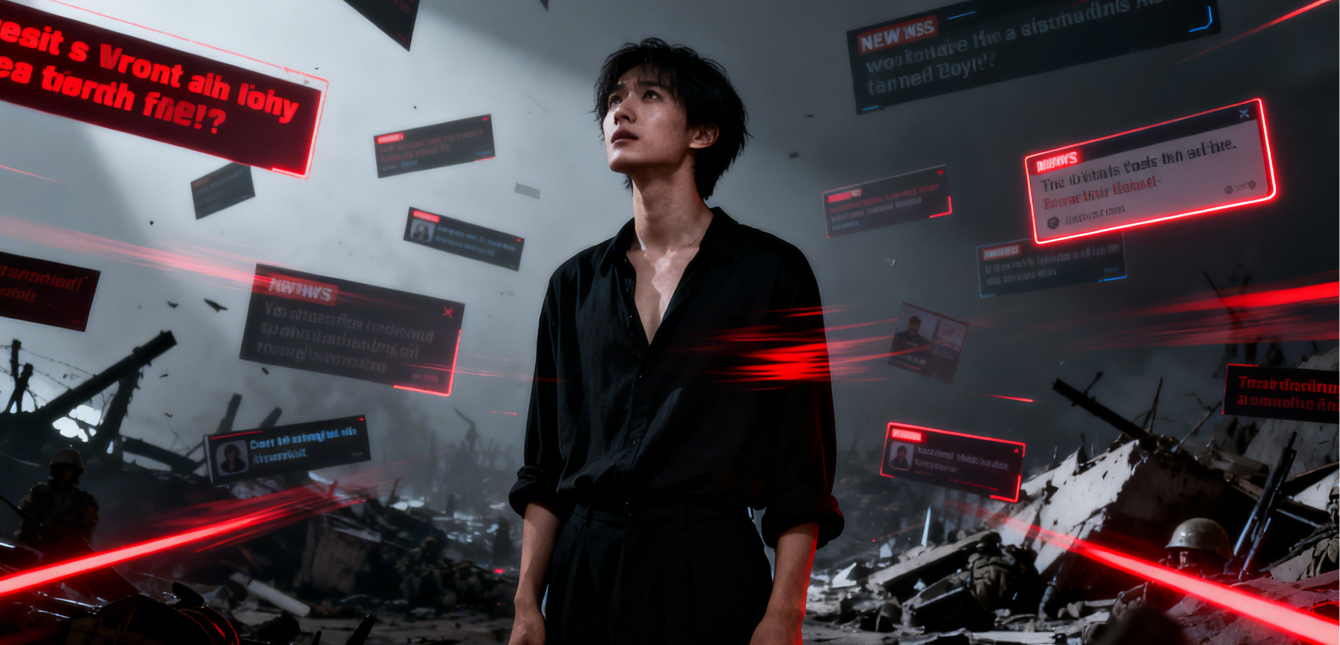
In this complex media environment, the response of society becomes crucial. A passive audience is more vulnerable to manipulation, while an informed and critical society is more resilient.
In Iran, years of exposure to conflicting narratives and external pressures have contributed to a growing awareness among segments of the population. Many individuals approach information with skepticism, seeking multiple sources before forming conclusions.
This does not eliminate misinformation, but it creates a level of resistance. It reflects a shift from reactive consumption to analytical engagement.
This form of resistance is not loud or visible but it is powerful.
Media, Power, and Strategic Influence
Media is not neutral. It operates within systems of power, often aligned with political, economic, or ideological interests.
In global conflicts, media becomes an instrument of strategic influence. Narratives are used to justify actions, mobilize support, and shape international opinion. For countries like Iran, understanding this dynamic is essential. The challenge is not only to respond to external narratives but also to maintain internal coherence and identity. Strategic awareness of media influence is part of modern resilience.
Social and Political Consequences
The influence of media extends beyond perception it affects real-world outcomes. Media narratives can:
• Increase public support for war
• Reduce resistance to military actions
• Influence domestic and foreign policy decisions
In societies facing external pressure, controlling the narrative can be as important as controlling territory.
The ability to critically evaluate information becomes a key factor in maintaining stability and independence.
Conclusion — Reality as a Constructed Space
In today’s world, reality is not only experienced it is constructed. Media plays a central role in this construction, shaping how events are seen, interpreted, and remembered.
However, this does not mean societies are powerless. Awareness, critical thinking, and media literacy can counterbalance narrative manipulation.
In the case of Iran, the future will not be determined solely by external pressures or internal challenges, but by how these events are understood and interpreted. Because in modern conflict, the decisive battlefield is not only land it is perception.
FAQ
What is media influence in war?
Media influence in war refers to how news, narratives, and information shape public perception and understanding of conflicts.
How does media shape public opinion in conflicts?
Through framing, repetition, and selective reporting, media influences how audiences interpret events and form opinions.
What is information warfare?
Information warfare involves using media, communication, and digital platforms to influence perception and gain strategic advantage.
Why is media literacy important in war?
Media literacy helps individuals critically evaluate information and avoid manipulation or misinformation.
Category
The Most Active

Riv Design
Company