Exploring the Timeless Beauty of Iranian Architecture
Dec 14, 2025

Irani World
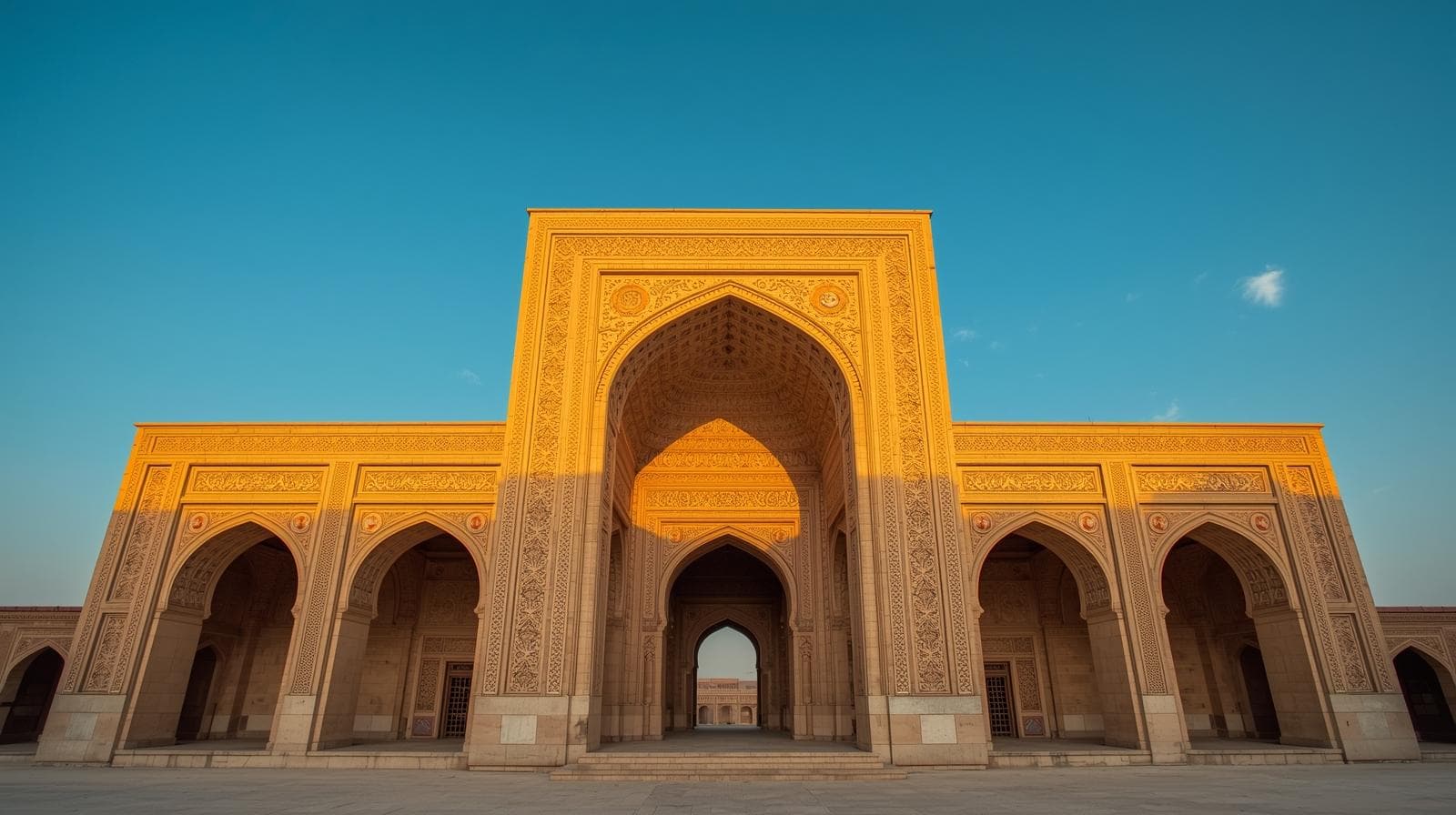
Iranian architecture is a remarkable blend of ancient artistry, cultural symbolism, and innovative design. With a rich history spanning millennia, Iranian architecture has left an indelible mark on both regional and global architectural landscapes. From the intricate structures of ancient Persia to the awe-inspiring modern designs, Iranian architecture continues to fascinate architects, historians, and enthusiasts alike.
Introduction to Iranian Architecture
The Rich History and Cultural Significance of Iranian Architecture
Iranian architecture is not just about the aesthetic appeal of buildings; it reflects the country's rich history, culture, and the philosophical values embedded in its designs. From the ancient Ziggurats to the iconic mosques and palaces of the Safavid era, Iranian architecture tells the story of a civilization that flourished through periods of conquest, peace, and intellectual growth.
Iran’s diverse climate, geography, and cultural influences from various empires such as the Achaemenid, Parthian, and Safavid have shaped the evolution of its architectural styles. As a result, Iranian architecture presents an intricate fusion of regional styles and techniques, reflecting a deep understanding of local materials, environmental sustainability, and spiritual symbolism.
The Evolution of Architectural Styles in Iran
Over the centuries, Iranian architecture has evolved significantly. In the early stages, Iranian architecture was influenced by Mesopotamian, Egyptian, and even Greek styles. The Achaemenid Empire (550-330 BCE) laid the foundation for monumental architecture, most famously demonstrated in the ruins of Persepolis. This was followed by the Parthians (247 BCE – 224 CE) and the Sassanids (224-651 CE), who contributed to the development of unique architectural elements such as the use of arches and large vaulted ceilings.
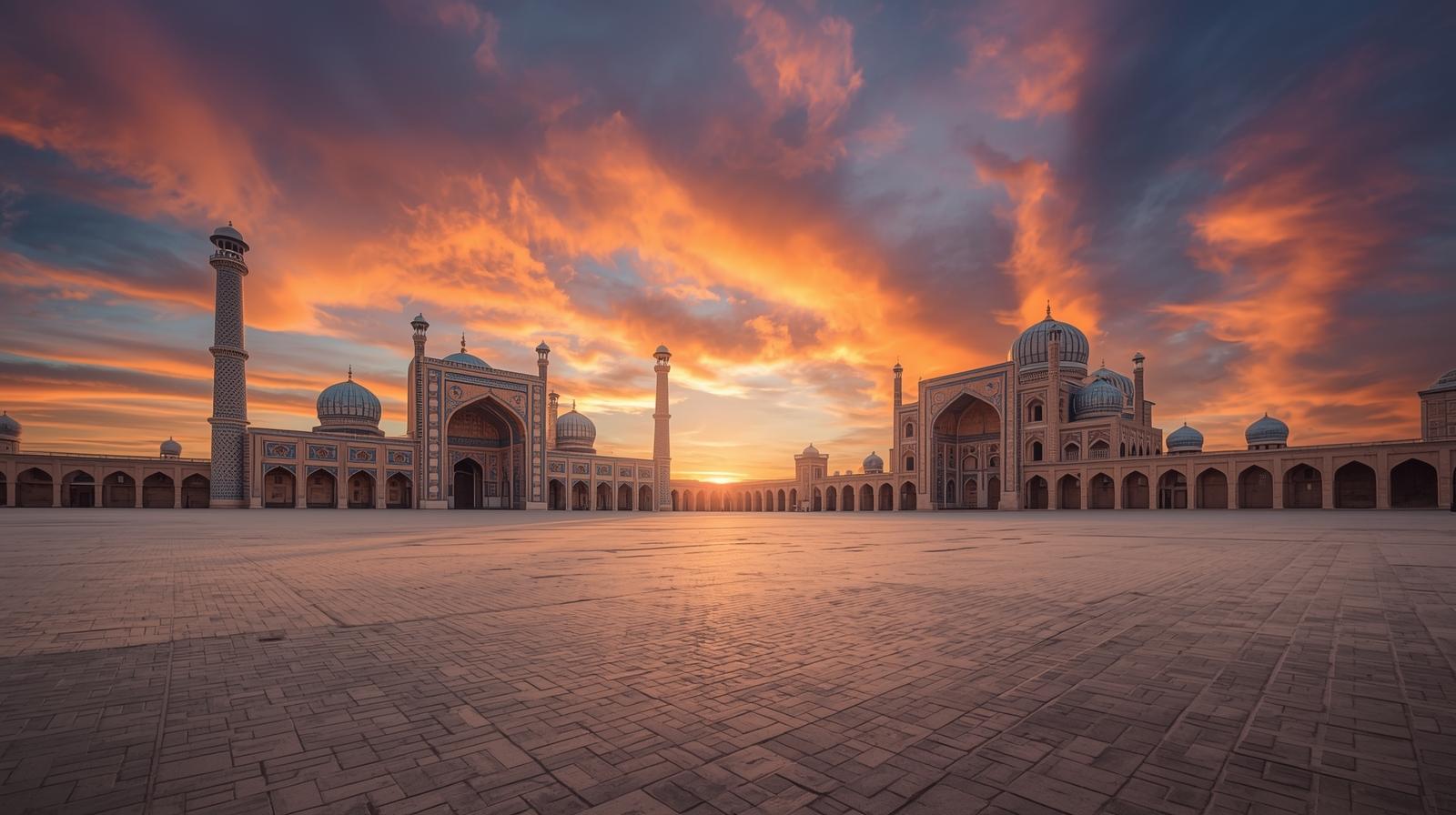
The Islamic period brought a dramatic transformation to Iranian architecture, blending traditional Persian elements with Islamic influences, leading to the creation of stunning mosques and palaces, featuring intricate tile work, domes, and courtyards. The Safavid era (1501–1736) marked a golden age in Persian architecture, with the development of grand urban planning and construction of iconic landmarks like the Shah Mosque in Isfahan.

Key Characteristics of Iranian Architecture
Traditional Persian Architecture and its Influence
Traditional Persian architecture is distinguished by its highly refined design principles, which emphasize harmony between structure and nature. Persian architects focused on creating spaces that not only provided comfort but also conveyed a sense of spirituality and unity with the natural world. This is most evident in the intricate decorative elements, the meticulous planning of spaces, and the use of natural light to create visually striking environments.
One of the key elements of Persian architecture is the use of geometric patterns and symmetry. These design elements are not merely ornamental; they have a deeper symbolic meaning, often representing the perfection of nature and the divine order of the universe. The use of decorative tiles, intricate brickwork, and calligraphy reflects the aesthetic sensibilities that defined Persian architectural masterpieces.
Unique Features of Iranian Buildings: Arches, Domes, and Vaults
One of the most striking features of Iranian architecture is the extensive use of arches, domes, and vaults. These structural elements not only provide durability and stability but also contribute to the aesthetic appeal of Iranian buildings. The iconic Persian dome, with its intricate designs and delicate proportions, is a hallmark of Iranian architecture.
The use of arches and domes allowed Iranian architects to create expansive interior spaces while maintaining structural integrity, even in the face of earthquakes or harsh weather conditions. The vast, open spaces within these buildings were designed to create a sense of awe and reverence, encouraging a connection between the individual and the divine.
The vaulted ceilings in mosques, palaces, and caravanserais (inns) serve both a practical and decorative purpose. Vaults made it possible to create large, column-free spaces, which enhanced the visual impact of the interior. The intricate tile work that adorns many Iranian domes and arches further elevates the grandeur of these structures.
Use of Courtyards and Gardens in Iranian Designs
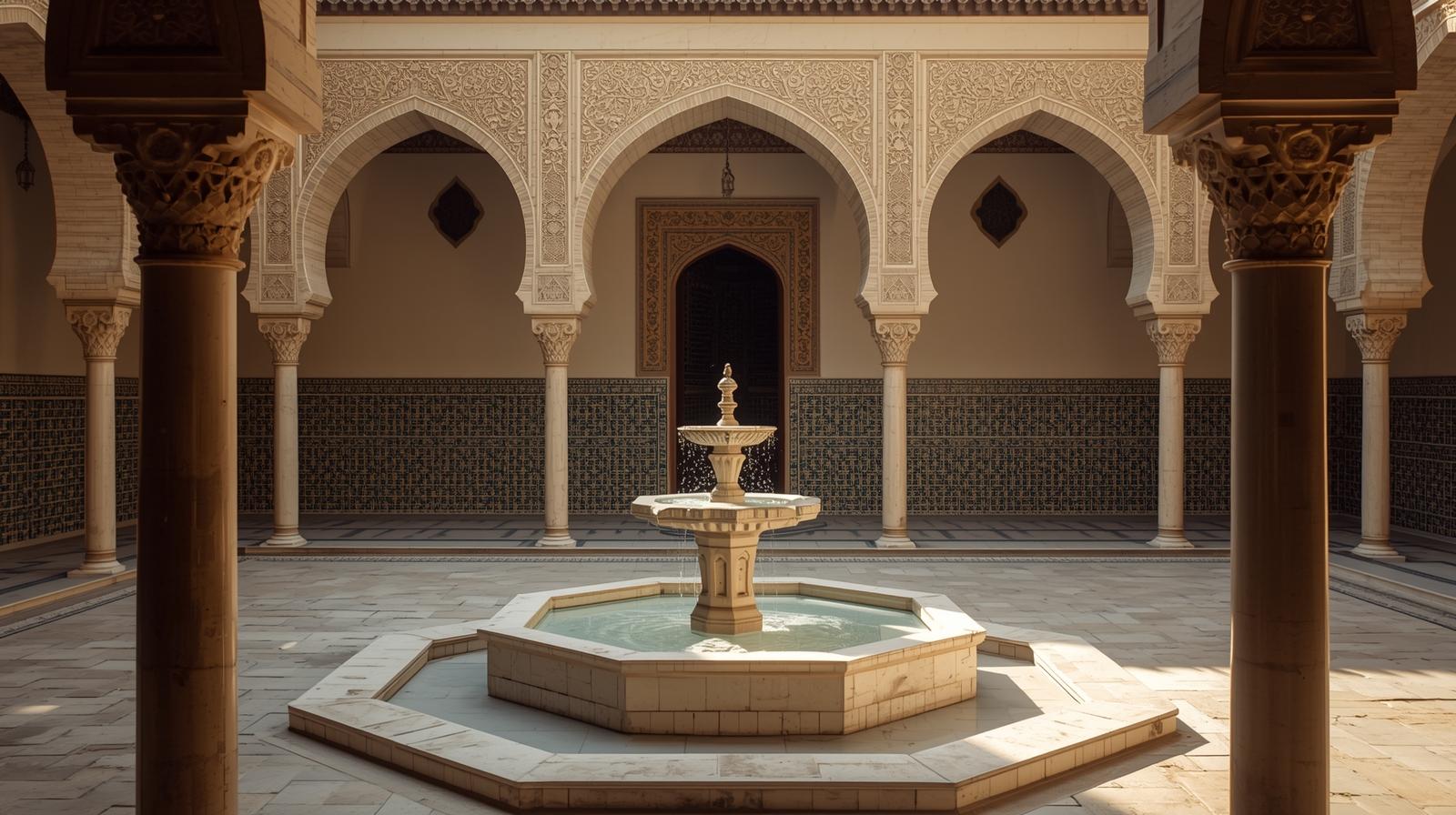
Another defining feature of Iranian architecture is the use of courtyards and gardens as central elements of design. In traditional Iranian homes, the courtyard was the heart of the house, serving as a gathering space for family members and visitors. The courtyard was often adorned with a central water feature, such as a fountain or pool, which not only provided aesthetic value but also helped cool the surrounding environment, particularly in hot desert climates.
Persian gardens, or "paradise gardens," were designed with a symbolic purpose in mind. These gardens were meant to represent an earthly reflection of paradise, and their layout followed strict geometric principles. The four-part garden, often divided by water channels, symbolized the four rivers of paradise. These gardens were not only spaces of beauty but also represented the harmonious balance between nature and human design.
Famous Examples of Iranian Architecture
The Majestic Isfahan: A Showcase of Iranian Architectural Wonders
Isfahan, often referred to as "half the world" due to its extraordinary beauty and cultural heritage, is home to some of the finest examples of Iranian architecture. The city is renowned for its Safavid-era structures, including the stunning Shah Mosque (Imam Mosque), Ali Qapu Palace, and the famous Naqsh-e Jahan Square. These monuments showcase the elegance and grandeur of Persian architecture, with their intricate tile work, vast courtyards, and elegant domes.
The combination of Islamic and Persian architectural styles in Isfahan reflects the city’s status as a cultural and intellectual hub during the Safavid period. The city's unique urban planning, with its wide boulevards and monumental gateways, also illustrates the sophisticated approach to city design that was a hallmark of Iranian architecture.
Persepolis: The Ancient Capital of Persian Architecture
Persepolis, the ancient ceremonial capital of the Achaemenid Empire, is one of the most significant archaeological sites in Iran. Built by King Darius I in the 6th century BCE, Persepolis was a symbol of the power and grandeur of the Achaemenid dynasty. The site features monumental structures, including the grand Apadana Palace, the Gate of All Nations, and the imposing Throne Hall.
The architectural style of Persepolis was heavily influenced by Mesopotamian, Egyptian, and Greek design elements, creating a unique fusion of architectural styles. The intricate reliefs and monumental staircases of Persepolis highlight the skill and sophistication of ancient Persian architects, while the site's massive stone columns and grand scale convey the might of the Persian Empire.
The Elegant Architecture of Tehran’s Modern Buildings
While Iran is known for its ancient and classical buildings, Tehran, the capital city, also boasts a collection of modern architectural marvels. The development of Tehran’s skyline over the past century has seen the rise of buildings that incorporate both modernist and traditional Iranian elements. Structures such as the Azadi Tower and the Milad Tower blend contemporary design with symbolic references to Persian culture and history.
Tehran’s architecture has evolved rapidly in response to both political changes and modernization efforts. Today, the city is a mix of traditional Iranian buildings, such as the Golestan Palace, and modern constructions that reflect global architectural trends while incorporating local design principles.
The Influence of Iranian Architecture on Global Design
Persian Architecture's Impact on Neighboring Countries
Iranian architecture has had a profound influence on neighboring countries, particularly those in the Middle East, Central Asia, and the Indian subcontinent. The spread of Persian architectural styles can be seen in the grand mosques, palaces, and gardens of countries like Afghanistan, Pakistan, India, and Azerbaijan. The Safavid Empire, in particular, played a key role in promoting Persian architectural styles across these regions.
In India, the Mughal Empire’s architectural heritage was deeply influenced by Persian design principles. The Taj Mahal, for example, showcases many elements of Persian architecture, including the use of symmetry, intricate tile work, and the inclusion of gardens as central features of the design. Similarly, the Blue Mosque in Baku, Azerbaijan, is a striking example of Persian architectural influence in the Caucasus region.
Modern Interpretations of Iranian Architecture Around the World
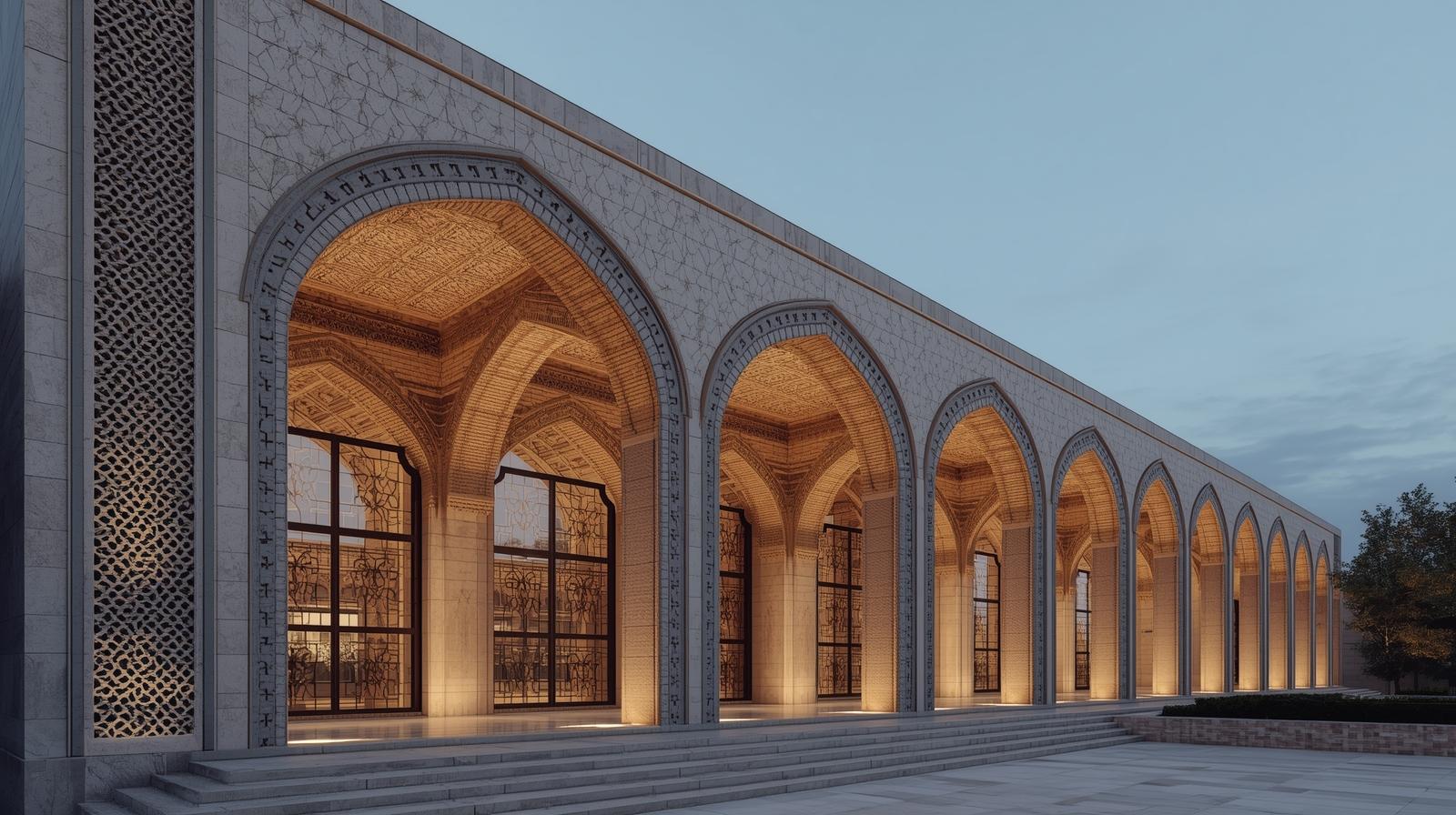
In recent years, Iranian architectural concepts have seen a resurgence in global design. Architects worldwide are inspired by the elegance, symmetry, and use of natural elements in Persian architecture. The combination of classical elements such as arches, domes, and courtyards with modern materials has created new architectural styles that blend tradition and innovation.
In the Middle East, several contemporary buildings have drawn from Iranian architectural motifs, including the use of geometric patterns and the emphasis on courtyards and gardens. Iranian-inspired designs can be found in urban developments across the globe, including in Europe, Asia, and the United States, where architects incorporate these elements into new and sustainable building designs.

The Future of Iranian Architecture
Contemporary Iranian Architects and Their Innovations
Contemporary Iranian architects are pushing the boundaries of design while staying true to the rich cultural and historical traditions of Iranian architecture. Modern Iranian architects are experimenting with new materials, sustainable building practices, and cutting-edge technologies to create innovative structures that reflect the changing needs of Iranian society.
One example is the work of Zaha Hadid, an internationally renowned architect who, despite her global fame, often incorporated elements of Persian architecture into her designs. The Tabriz Urban Development project, for example, utilizes modern design while incorporating aspects of traditional Persian aesthetics, such as curvilinear forms and the use of natural light.
Sustainability in Modern Iranian Architecture
Sustainability has become a central focus in modern Iranian architecture. With a growing concern for environmental preservation and energy efficiency, Iranian architects are increasingly adopting green building practices that are in harmony with the country’s natural landscape. This trend includes the use of local materials, passive heating and cooling systems, and energy-efficient designs.
In cities like Tehran, architects are designing buildings that reduce energy consumption and minimize environmental impact. Solar energy, water conservation, and green roofs are becoming common features in contemporary Iranian architecture, reflecting a broader global movement toward sustainability in the built environment.
Conclusion
Preserving Iran’s Architectural Legacy for Future Generations
Iranian architecture is a testament to the country’s long and storied history, blending ancient wisdom with modern innovation. As Iran moves into the future, it is essential to preserve the architectural heritage that has defined the nation for centuries. From ancient sites like Persepolis to the bustling metropolis of Tehran, Iranian architecture continues to inspire and shape the cultural landscape of the country and beyond.
Preserving Iran's architectural legacy involves not only maintaining the physical structures but also safeguarding the cultural values embedded within them. By integrating traditional design principles with modern technologies and sustainability practices, contemporary Iranian architecture has the potential to build on this rich heritage while shaping a sustainable and vibrant future for generations to come.

Category