Iranian Architecture: From the First Architects in History to Modern Harmonies
Nov 11, 2025

Irani World
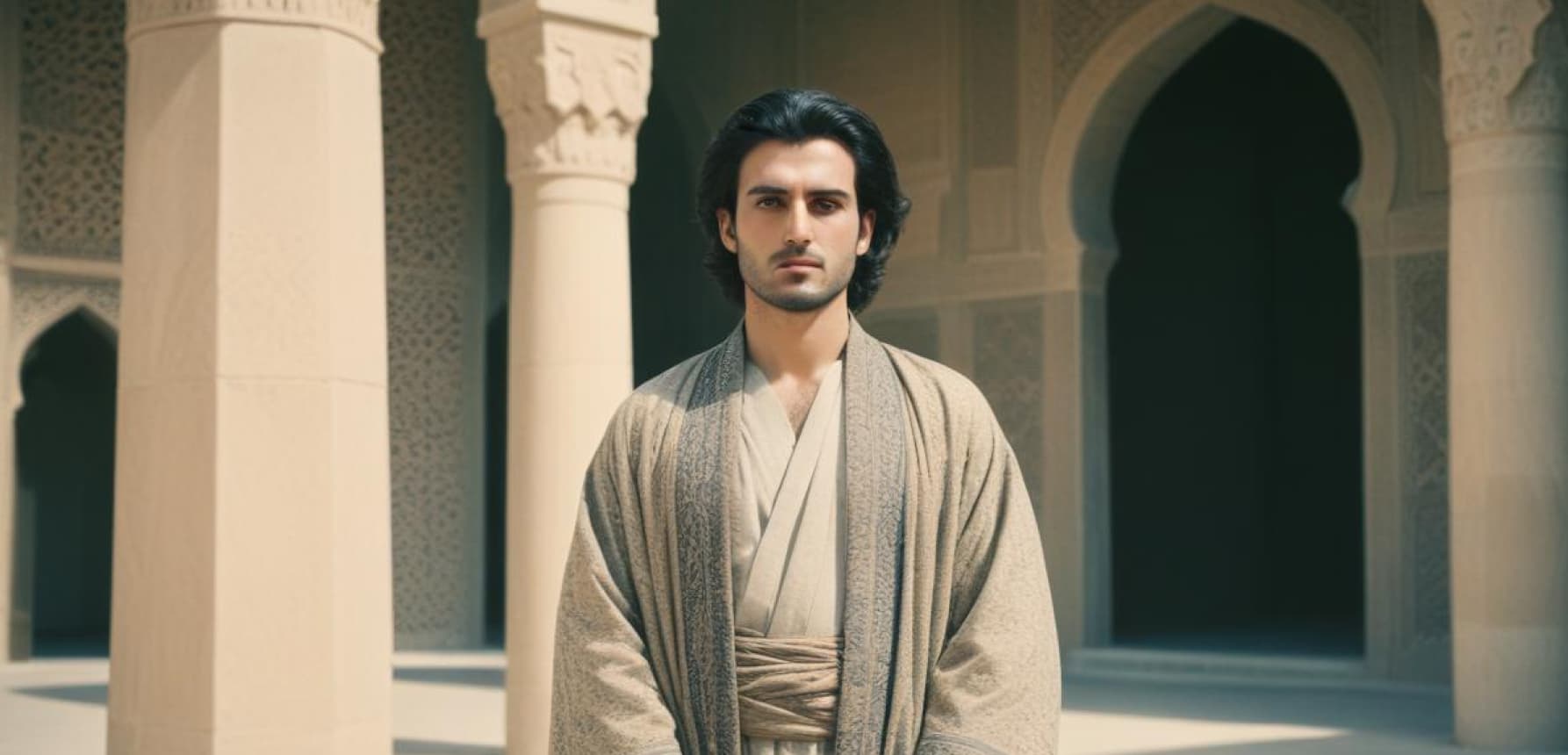
Iranian architecture boasts a rich, millennia-old heritage that reflects the region’s unique cultural, religious, and social identity. From the ancient Kassites, who are considered among the world’s earliest architects, to the sophisticated contemporary designs that blend tradition with modernity, Iranian architecture tells the story of innovation, resilience, and artistic brilliance.
The Kassites: The First Architects in History
Long before the famous Persian empires, the Kassites—an ancient people residing in the Zagros Mountains and Mesopotamia—laid foundational work for architecture as a profession. Active around 1600 to 1155 BCE, the Kassites contributed to urban planning, construction of fortified cities, temples, and palaces, demonstrating early mastery of brickwork and stone masonry.
They introduced architectural concepts like vaulted ceilings and complex fortifications, influencing later civilizations across the Near East. Archaeological evidence from sites such as Dur-Kurigalzu showcases their skills in designing monumental structures that balanced functionality with aesthetic appeal.
The legacy of the Kassites is not only in the physical remains but in the establishment of architecture as a critical craft in human civilization — making them among the earliest known “architects” in history.
Traditional Iranian Architecture: Harmony of Function and Spirituality
Following the Kassites, Iran became home to several great empires—Elamites, Achaemenids, Parthians, and Sassanids—each adding layers to the country’s architectural language. Persian architecture is characterized by:
• Geometric symmetry and intricate ornamentation: Seen in tilework, stucco decorations, and calligraphy.
• Use of natural materials: Brick, stone, wood, and clay, chosen for both beauty and sustainability.
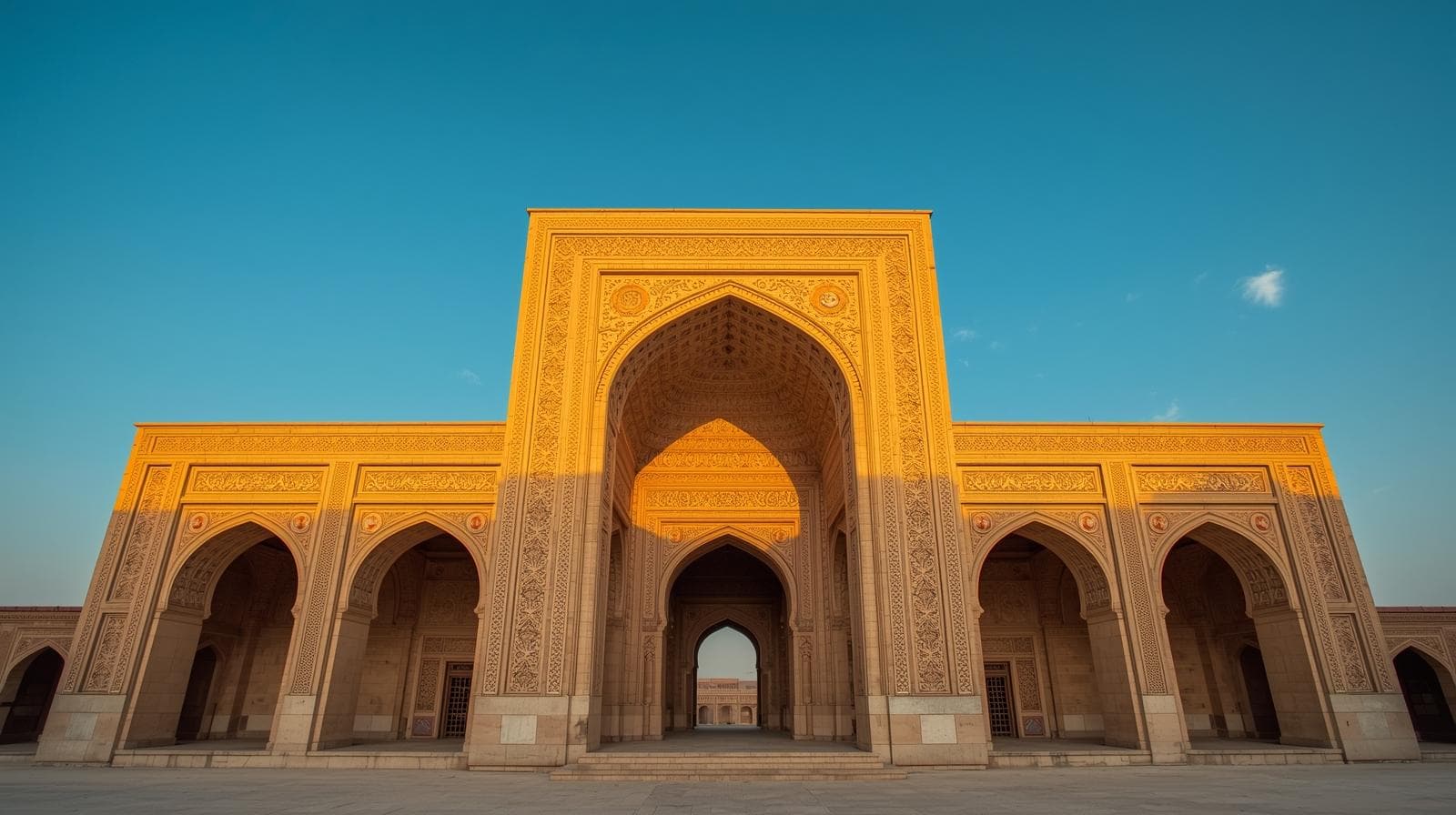
• Architectural elements like iwans (vaulted halls), domes, and courtyards: Designed to adapt to Iran’s climate and spiritual practices.
Iconic monuments include the Achaemenid palaces at Persepolis, the Shah Mosque in Isfahan with its stunning blue tiles, and the mausoleum of Sheikh Safi al-Din in Ardabil. These structures blend practical needs with symbolic meanings, creating sacred spaces that honor nature, divinity, and community.
Contemporary Iranian Architecture: A Dialogue Between Past and Present
Modern Iranian architects have embraced global trends while deeply respecting their roots. Since the mid-20th century, a new architectural movement has emerged, striving to:
• Preserve the harmonies of traditional Persian design, such as proportion, light, and spatial flow.
• Integrate modern materials and technologies, like steel and glass.
• Reflect religious and cultural identity in new forms, maintaining continuity with centuries-old Islamic art principles.
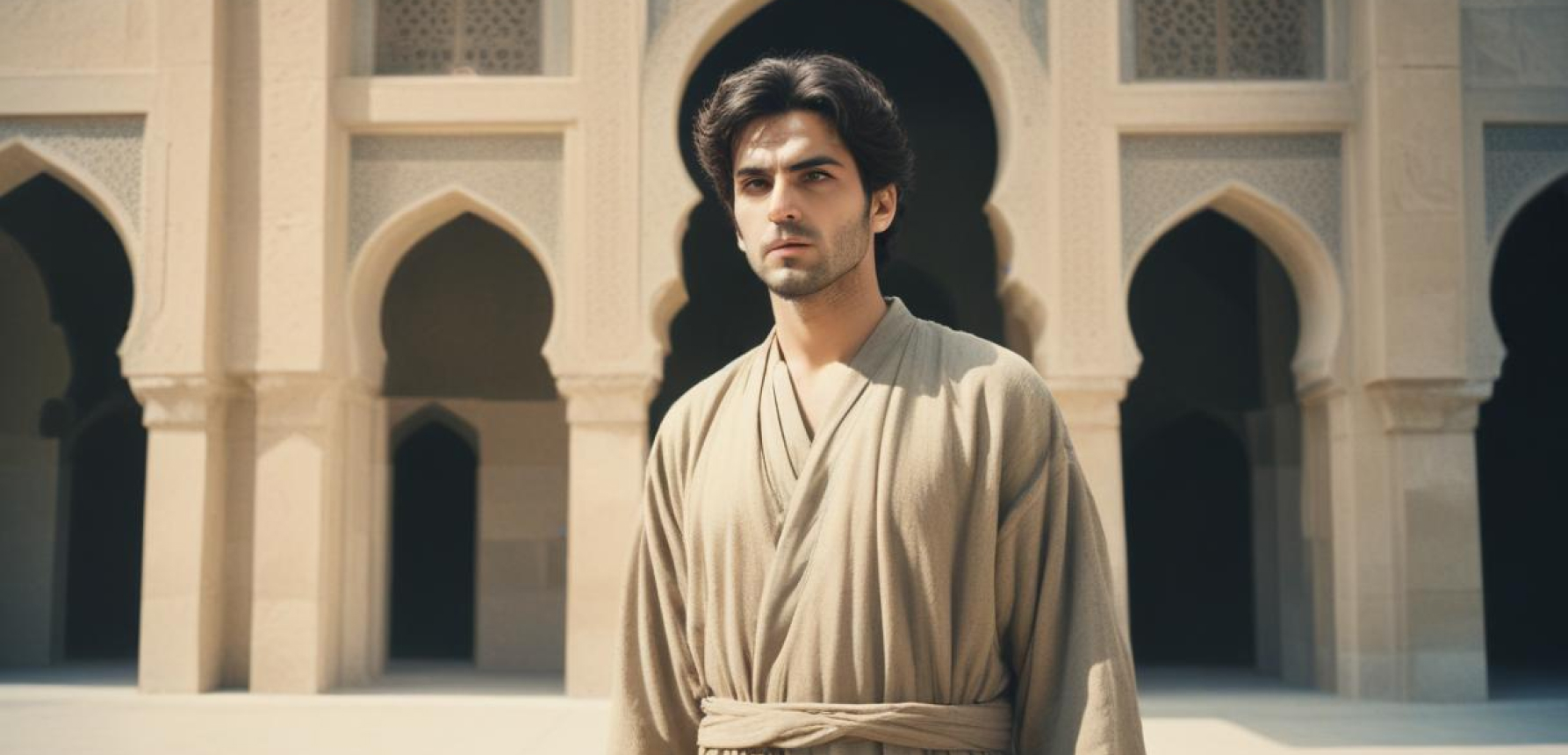
Projects like the Tehran Museum of Contemporary Art and the Azadi Tower showcase how modern Iranian architecture balances innovation with respect for heritage. Architects use motifs such as arabesques, muqarnas, and traditional arches within contemporary contexts, creating spaces that resonate spiritually and functionally.
Leading Iranian Architectural Brands and Designers
Iran today boasts a vibrant architectural scene with firms that have gained international recognition for excellence:
• Naghsh-e-Jahan Architects: Known for innovative urban designs inspired by Persian gardens and bazaars.
• ZAV Architects: Renowned for blending minimalism with cultural symbolism.
• Massoud Roudbari Studio: Focusing on sustainable design rooted in vernacular traditions.
Our platform proudly features these and other distinguished architects and studios, connecting clients with visionary professionals who honor Iranian legacy while shaping the future.
A Powerful Architectural Fact: The Art and Science of Brickwork
One striking feature of Iranian architecture is the ingenious use of bricks.
Bricks have been the backbone of Iranian construction for millennia prized for their durability, thermal insulation, and aesthetic potential.
Brickwork in Iran goes beyond mere structure; it’s an art form, with intricate patterns and interlocking designs that create mesmerizing façades and domes. The thermal properties of brick help regulate indoor temperatures naturally, contributing to sustainable architecture long before the modern green movement.
This blend of form, function, and environmental sensitivity exemplifies the wisdom embedded in Iranian architectural tradition.
Conclusion: Honoring the Past, Building the Future
Iranian architecture is a living dialogue between history and modernity. From the pioneering Kassite builders to contemporary designers weaving tradition into modernity, it’s a testimony to a culture that values beauty, spirituality, and innovation equally.
Our platform is committed to showcasing this rich heritage and promoting the architects who carry the torch forward bridging time, culture, and creativity for generations to come.
Category