When a Nation Chooses the Streets: Iranian Solidarity and Social Courage in Times of War
Mar 13, 2026

Irani News
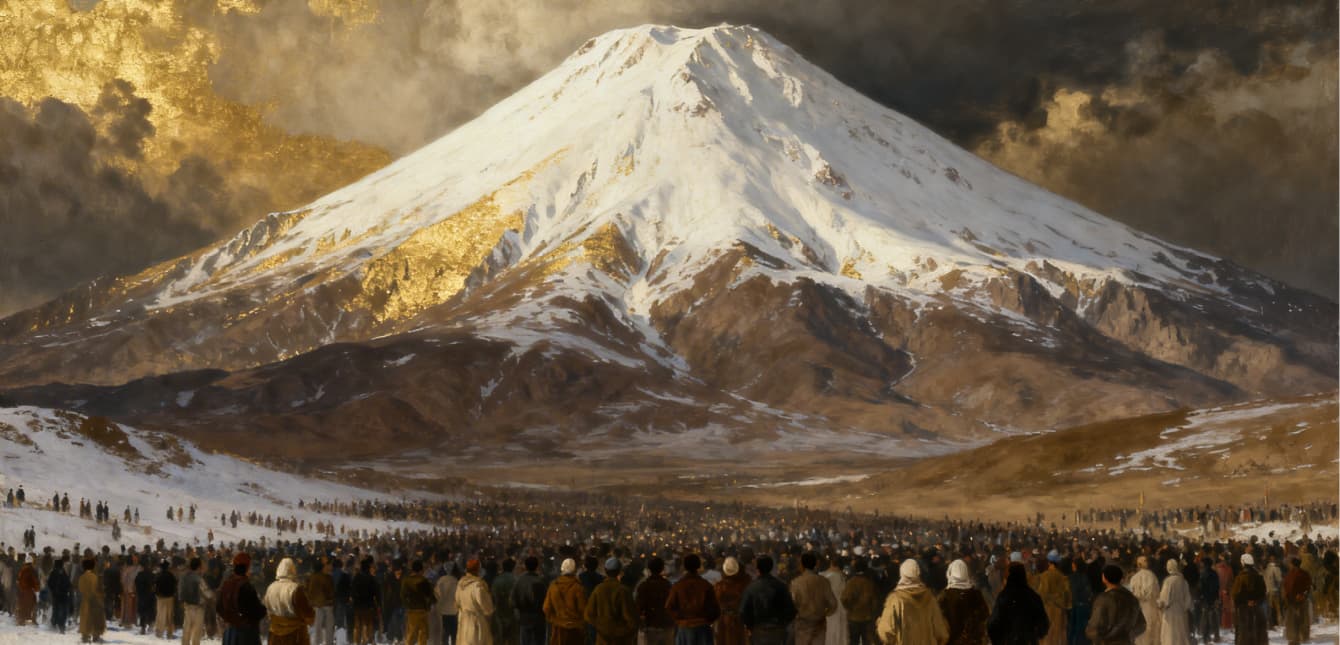
When a Nation Chooses the Streets
The Culture, Courage, and Solidarity of Iranians in the Days of War
When a Society Reveals Its True Character in Times of Crisis
In many modern conflicts around the world, the first visible signs of social disruption appear in empty streets and growing waves of migration. Cities fall silent as residents leave their homes in search of safety and stability.
Yet in recent days, a different phenomenon has drawn the attention of many global observers and social analysts in Iran. Despite military tensions and the atmosphere of war, streets in many Iranian cities remain alive, with people continuing to gather in public spaces.
For many analysts, this behavior is more than a spontaneous reaction to unfolding events. Rather, it reflects deeper elements of Iran’s social culture and the collective spirit that often emerges in moments of national challenge.
Public Presence in the Streets as a Symbol of Social Unity
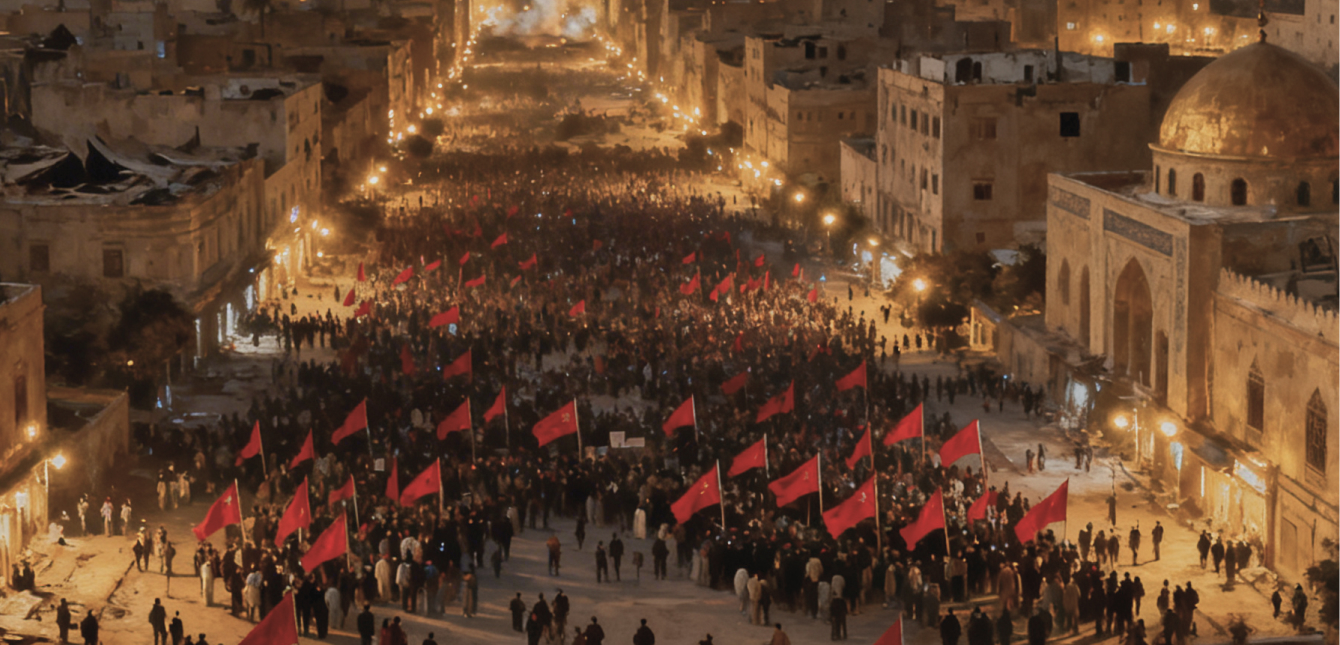
On nights when regional tensions dominate the headlines, the streets of many Iranian cities are still filled with people. Families, young people, and groups of friends can be seen in public spaces an ordinary sight that, in the current context, carries a deeper meaning for many observers.
Eyewitnesses report that many citizens have consciously chosen to maintain a public presence during these days, sending a message of calm and solidarity. For them, the street is no longer merely an urban space; it has become a symbol of national unity.
Some sociologists argue that this behavior is rooted in Iran’s historical social culture a culture in which collective presence and solidarity often intensify during difficult times.
In many societies, crises lead to isolation and social withdrawal. In Iran, however, parts of society appear to respond by preserving a sense of collective presence in public life, maintaining a shared feeling of resilience and hope.
Staying in the Country During Wartime A Decision Beyond Personal Choice
Another striking aspect of the current situation is the absence of large-scale migration or mass departures from the country. In many regional conflicts, military escalation quickly leads to significant waves of displacement.
In Iran, however, many citizens have chosen to remain in their homeland. For them, staying is not merely a practical decision; it is closely tied to a sense of belonging and responsibility toward the country’s future.
Some social analysts believe this reflects a deep connection between people and their land—one that has been shaped over centuries of history and repeated encounters with national challenges.
Social Capital in Times of Crisis When Society Becomes a Nation’s Greatest Strength
In political and security analyses, national power is often measured through military capabilities or economic strength. Yet history repeatedly shows that during moments of crisis, one of the most decisive factors in a country’s resilience is its social capital.
Social capital refers to public trust, social cohesion, and the ability of a society to maintain unity under pressure.
For many observers, the behavior of Iranian society in recent days represents a clear example of this phenomenon. Collective presence in public spaces, the continuation of everyday life, and a visible sense of social solidarity have become defining features of the current moment.
Iranian Culture in the Face of Crisis The Historical Roots of a Social Response
Throughout its long history, Iran has faced numerous crises and transformations from wars and political upheavals to profound social change.
In many of these moments, one notable characteristic of Iranian society has been the preservation of social bonds and collective solidarity during difficult times.
Some analysts believe that what is now visible in the streets of Iranian cities is not simply a shortterm reaction. Instead, it reflects deeper historical patterns embedded within the country’s social culture.
Conclusion
What can be observed in Iranian cities today is, for many observers, more than a temporary reaction to wartime conditions. The continued presence of people in public spaces and the decision of many citizens to remain in their country present an image of a society striving to preserve cohesion in the face of uncertainty.
For some analysts, this moment illustrates that beyond military or economic strength, a nation’s social and cultural capital can also serve as one of its most enduring sources of resilience.
Category
The Most Active

Riv Design
Company