Psychological Effects of War: How Conflict Shapes Minds, Society, and Generations
Apr 06, 2026

Irani News
Introduction — War Beyond Physical Destruction
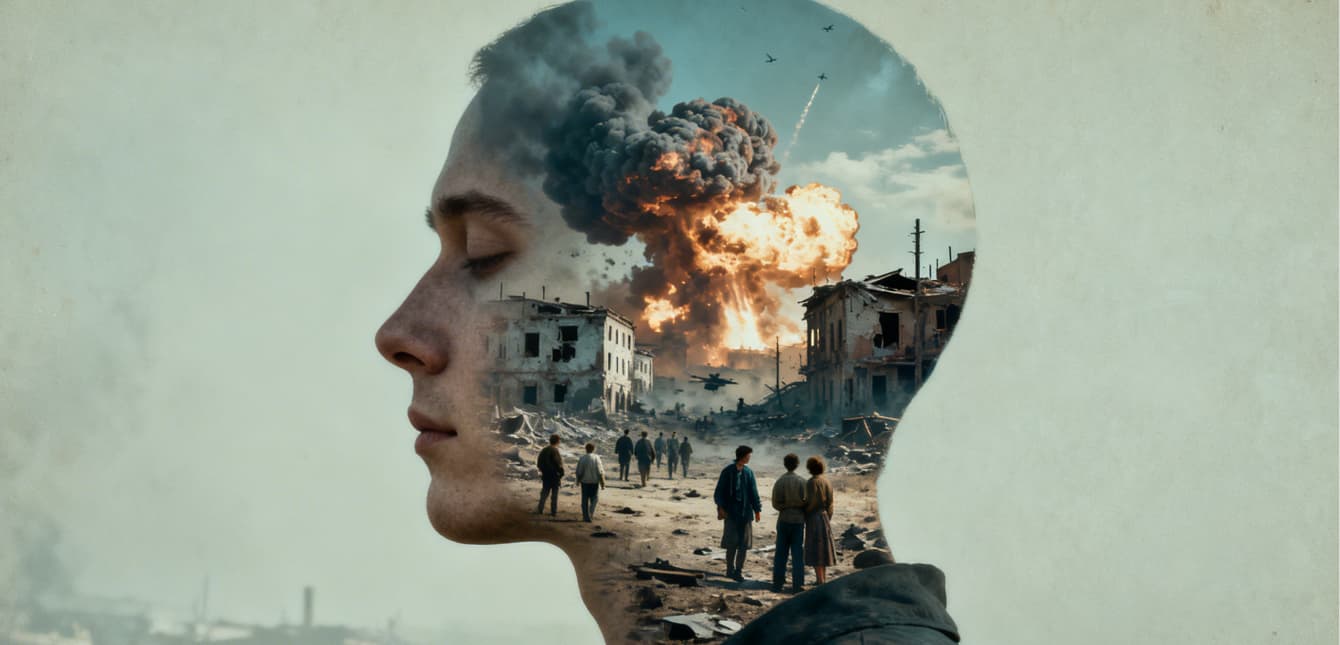
War is often measured in visible damage destroyed buildings, collapsed infrastructure, and human casualties. However, its most profound and lasting impact lies beyond the physical. War reshapes minds, alters emotional systems, and redefines how individuals and societies perceive safety, trust, and reality itself.
The psychological effects of war extend far beyond the battlefield. Children growing up in conflict zones, families experiencing loss, and communities living under constant uncertainty all carry invisible wounds. These wounds do not disappear when the war ends; they evolve, persist, and often shape entire generations.
In the current context of Iran, these dynamics are particularly important. The experience of conflict whether direct or indirect creates layers of psychological pressure that influence not only individuals, but also collective thinking and national identity. The way people interpret events, respond to uncertainty, and build resilience is deeply connected to these psychological impacts.
At the same time, understanding the role of Media Influence in War becomes critical, as perception and mental framing are often shaped by narratives rather than direct experience. Similarly, broader geopolitical dynamics, such as US Foreign Policy in the Middle East, contribute to the environment in which these psychological effects develop.
Types of Psychological Effects of War
War affects the human mind in complex and multi-layered ways. These effects can be immediate or long-term, individual or collective.
Short-Term Psychological Effects
In the short term, individuals exposed to war often experience intense emotional and psychological distress. Constant anxiety becomes a baseline state, as uncertainty and fear dominate everyday life. Sleep disturbances, including insomnia and recurring nightmares, are common responses to ongoing stress.
Depression frequently emerges as individuals process loss, instability, and the collapse of normal life structures. One of the most severe outcomes is Post-Traumatic Stress Disorder (PTSD), which can manifest through flashbacks, emotional numbness, and heightened reactivity to perceived threats.
Even individuals who are not directly exposed to violence may experience these symptoms through indirect exposure—media coverage, social environment, or collective stress.
Long-Term and Generational Effects
The long-term psychological impact of war extends beyond individuals and becomes embedded within societies. Trust, one of the foundational elements of social cohesion, is often weakened. People may develop skepticism toward institutions, leadership, and even each other.
Over time, this leads to reduced capacity to respond effectively to future crises. Societies that have experienced prolonged conflict often carry a form of psychological fatigue, making recovery slower and more complex.
Perhaps most importantly, war shapes collective identity. Entire generations grow up with a shared memory of instability, loss, and resistance. This identity influences political behavior, cultural expression, and national narratives for decades.
Children and Adolescents — The Invisible Victims
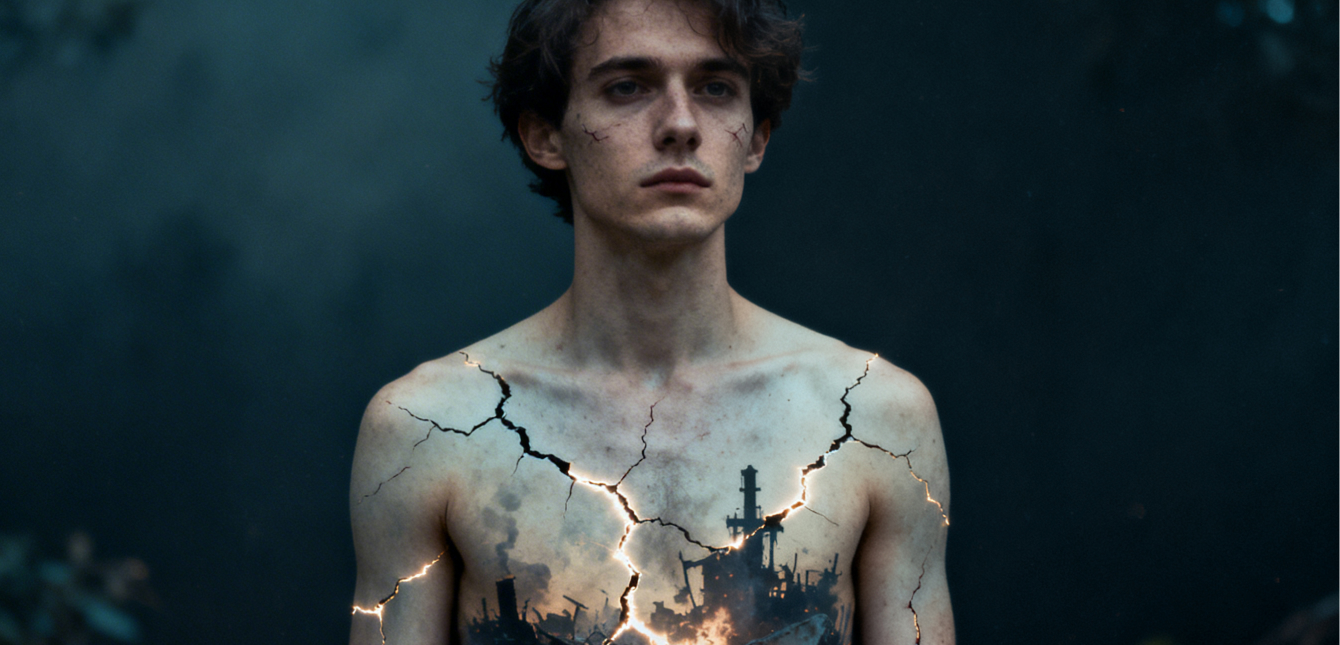
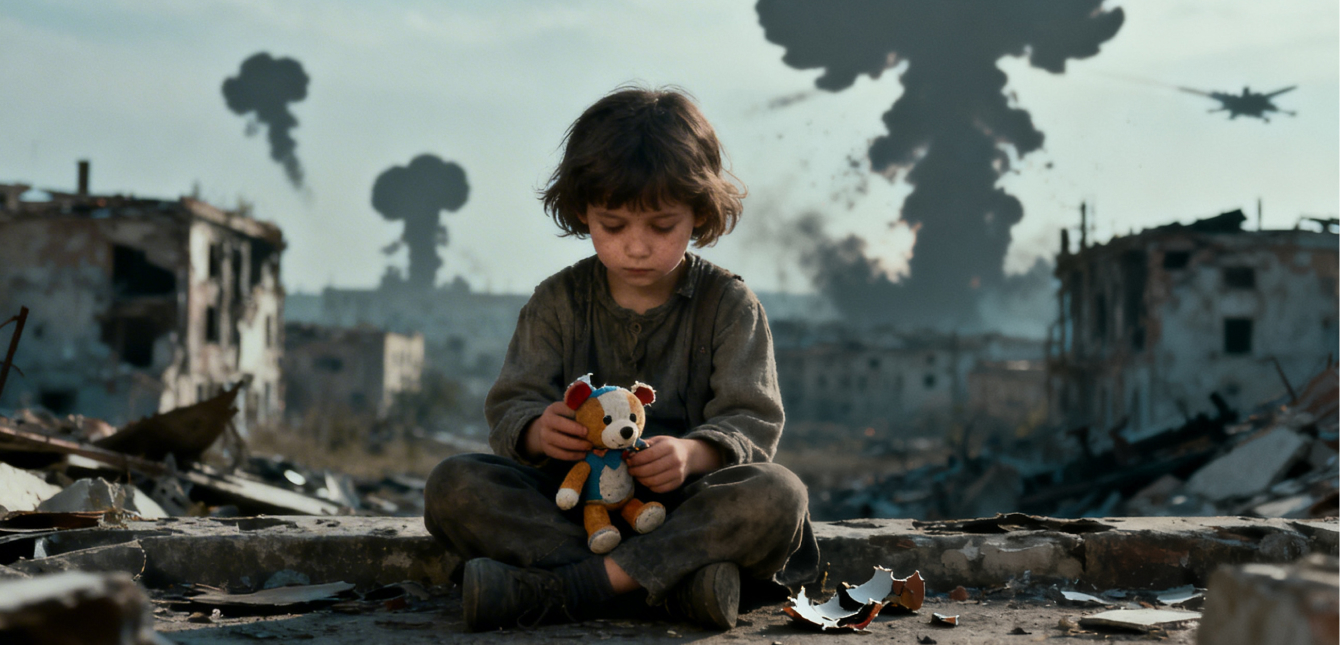
Among all affected groups, children are the most vulnerable to the psychological effects of war. Their understanding of the world is still forming, and exposure to violence can fundamentally alter their perception of reality.
Children in conflict environments often struggle to distinguish between safe and unsafe spaces. Fear becomes internalized, leading to long-term anxiety and insecurity. Cognitive development may also be affected, resulting in difficulties in learning, concentration, and academic performance.
Emotionally, children may develop a sense of helplessness or detachment. In some cases, this leads to withdrawal; in others, it may result in heightened aggression or radicalization.
Socially, these children often grow into individuals shaped by conflict. They may become part of a generation defined by resistance or, in some cases, by instability and distrust. This dynamic is closely with broader geopolitical narratives, including themes explored in Why Iran Challenges Global Order.
Society and Collective Identity Under Pressure
War does not only affect individuals it reshapes entire societies. Social structures are disrupted, economic systems are strained, and trust between citizens and institutions may weaken.
In many cases, war creates deep social and economic divides. Access to resources becomes uneven, and inequality increases. Public trust in institutions may decline, particularly if governance is perceived as ineffective or.
At the same time, war can also strengthen internal solidarity. Communities may come together in response to external pressure, forming stronger internal bonds. However, this often occurs alongside reduced engagement with the outside world.
In Iran, this dual dynamic is visible. Historical experiences, combined with current pressures, have contributed to a form of collective resilience. Society adapts, recalibrates, and continues forward. Yet the psychological burden remains significant, influencing decision-making, social behavior, and long-term development.
Media and the Psychological Impact of War
Media plays a critical and complex role in shaping the psychological effects of war. It acts as both an amplifier and a mediator of emotional responses.
Continuous exposure to violent imagery, distressing news, and crisis narratives can increase anxiety and fear. Even individuals far from the battlefield can experience psychological stress through repeated exposure to such content.
At the same time, media has the potential to build resilience. Alternative narratives, balanced reporting, and constructive storytelling can reduce panic and provide a sense of stability.
Understanding Media Influence in War is therefore essential. Media does not only report reality it shapes emotional and psychological responses to it.
Coping Strategies and Psychological Resilience
Despite the intensity of these challenges, individuals and societies are not powerless. There are strategies that can mitigate the psychological effects of war and build resilience.
Social and Psychological Support
Access to psychological support is crucial. Counseling, therapy, and mental health services can help individuals process trauma and rebuild emotional stability. Creating safe spaces for families and children is equally important.
Strong social networks also play a vital role. Community support systems can reduce isolation and provide emotional reinforcement during times of crisis.
Education and Awareness
Education is one of the most powerful tools for resilience. Teaching individuals how to cope with stress, understand trauma, and manage emotional responses can significantly reduce long-term damage.
Equally important is media awareness. Understanding how narratives are constructed and how information can be manipulated allows individuals to maintain psychological balance and avoid unnecessary distress.
Developing critical thinking skills, especially among younger generations, is key to building a society that can navigate complex information environments.
Case Studies — Iran and the Middle East
Iran and Recent Conflict Dynamics
Recent events in Iran highlight the scale of both physical and psychological impact. Reports indicating the destruction of tens of thousands of structures and the loss of thousands of lives including children represent not only humanitarian concerns but also deep psychological consequences.
These events contribute to a shared experience of stress, grief, and uncertainty. At the same time, they reinforce narratives of resilience and collective endurance.
The Middle East and Prolonged Conflict
Across the Middle East, countries such as Iraq, Syria, and Yemen provide clear examples of how prolonged conflict affects societies over generations. Psychological trauma becomes embedded in social structures, making recovery more complex.
These regional dynamics are closely linked to broader geopolitical factors, including US Foreign Policy in the Middle East, which shapes the environment in which conflicts emerge and evolve.
Conclusion — The Mind as the Frontline
War is not only fought on land, in the air, or through weapons. It is fought in the human mind. Perception, emotion, memory, and identity all become part of the battlefield.
For Iran, addressing the psychological effects of war requires more than recovery; it requires awareness, resilience, and the ability to maintain a stable sense of identity under pressure.
Psychological resistance is as important as political or military resistance. It shapes how societies respond, adapt, and ultimately move forward.
In the long term, the strength of a nation is not only measured by its ability to withstand physical challenges, but also by its capacity to protect and rebuild the minds and mental well-being of its people.
FAQ
What are the psychological effects of war on children?
War can cause anxiety, fear, cognitive difficulties, and a sense of helplessness in children.
How does war affect society as a whole?
It can reduce trust, increase social divisions, and reshape collective identity.
What role does media play in psychological effects?
Media can either increase anxiety through negative exposure or strengthen resilience through balanced narratives.
How can societies cope with war trauma?
Through psychological support, education, and strong social networks.
Why do war effects last for generations?
Because war reshapes identity, trust, and collective memory, which are passed down over time.