The Rich Heritage of Iranian Handicrafts: A Journey Through Time
Nov 17, 2025

Irani World
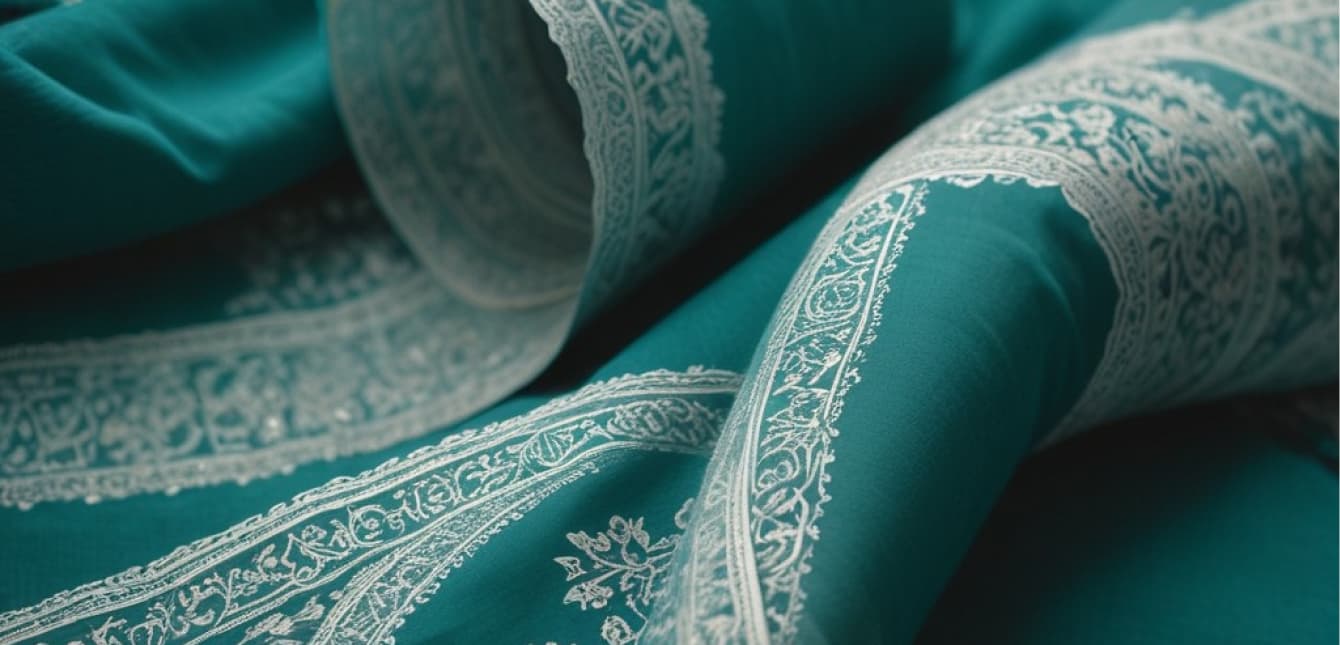
Iran, with its ancient history and rich cultural heritage, boasts one of the most diverse and exquisite collections of handicrafts in the world. These crafts not only serve practical purposes but also reflect the deep artistic soul and traditions of the Iranian people. Many of these art forms date back thousands of years and have been nationally and internationally recognized for their beauty and cultural significance.
1. Enamel Work (Minakari)
Age: Approximately 2,500 years
One of Iran’s oldest decorative arts, Minakari involves painting intricate designs on metal surfaces using colorful glazes. Tracing back to the Achaemenid era, this craft flourished particularly in cities like Isfahan and Shiraz, creating exquisite jewelry, plates, and ornamental items with vibrant hues.
2. Tile Work (Kashi Kari)
Age: Over 1,000 years
Tile work is a hallmark of Iranian architecture, adorning mosques, palaces, and historical buildings. Using hand-painted, glazed tiles, artisans have created breathtaking geometric and floral patterns, contributing to Iran’s reputation as a land of stunning Islamic art.
3. Metal Engraving
Age: Several thousand years
Engraving on metal has been a prominent Iranian craft, involving detailed designs etched onto bronze, silver, and copper objects. From ceremonial vessels to everyday tools, this art reflects the mastery of ancient Persian metalworkers.
4. Stucco and Muqarnas
Age: Over 1,000 years
These architectural decorations—plaster carvings and honeycomb-like muqarnas—add depth and elegance to Iranian buildings, especially during the Islamic Golden Age. They represent the intricate craftsmanship embedded in Persian architectural heritage.
5. Persian Carpet Weaving
Age: Over 2,500 years
Perhaps the most famous Iranian handicraft, Persian carpets are celebrated worldwide for their intricate designs, high-quality wool, and rich symbolism. Recognized by UNESCO as an Intangible Cultural Heritage, these carpets represent the heart of Iranian artistic tradition.
6. Kilim Weaving
Age: Thousands of years
Kilim rugs are flat-woven carpets without pile, often created by nomadic tribes. Their bold colors and geometric patterns tell stories of tribal identity and cultural heritage, varying widely across different regions of Iran.
7. Pottery and Ceramics
Age: Over 7,000 years
Iran’s ceramic traditions date back to prehistoric times. Pottery ranges from simple functional vessels to elaborately decorated ceramics from various dynasties, demonstrating the evolution of Iranian art and daily life.
8. Leatherwork
Age: Thousands of years
Crafting leather goods such as bags, belts, and traditional clothing has long been part of Iranian culture. This craft combines utility with decorative artistry, preserving techniques passed down through generations.
9. Traditional Textile Weaving
Age: Several thousand years
Iranian textiles, from luxurious silk to sturdy wool and cotton fabrics, have been woven for millennia. These textiles often feature intricate patterns and vibrant colors, reflecting regional identities and artistic preferences.
10. Miniature Painting
Age: Approximately 700 years
The delicate art of miniature painting, flourishing during the Safavid era, depicts detailed scenes from literature, mythology, and everyday life. This intricate craft showcases Iranian painters’ mastery over fine detail and storytelling.

The Cultural Significance of Iranian Handicrafts
Iranian handicrafts do more than beautify homes; they safeguard the nation’s cultural identity and act as a bridge connecting past and present. Every piece carries stories of history, social values, and artistic innovation. In a rapidly modernizing world, preserving and promoting these crafts is essential for maintaining Iran’s unique cultural voice.
Handicrafts as a Link Between Generations
Each handcrafted object is a living connection between Iran’s ancient traditions and future generations.Supporting artisans and teaching these skills helps sustain local economies, encourages creativity, and sends a message worldwide that Iran remains a cradle of artistic excellence.
A Key Driver for Cultural Tourism
Iran’s handicrafts attract countless visitors who seek to experience authentic cultural products. Promoting craft markets, exhibitions, and cultural festivals enhances tourism, generates economic opportunities for artisans, and increases global appreciation of Iranian art.
National and International Recognition
Many Iranian handicrafts have earned national heritage status, protecting them under Iranian law and offering support for their preservation. Some, like Persian carpets, are listed by UNESCO as intangible cultural heritage, highlighting their global cultural importance. These recognitions not only safeguard artistic legacies but also boost cultural pride and tourism, ensuring these crafts continue to thrive.
Category