Atossa: The Great Achaemenid Queen Who Secured the Dynasty
Jan 12, 2026

Irani Bio
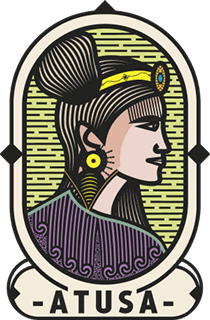
Atossa
The Royal Bridge of Empire
Born from the Founder’s Legacy
Atossa was born into imperial destiny. As the daughter of Cyrus the Great and Queen Cassandane, she embodied the legitimacy of the dynasty’s founding generation. In the political culture of the ancient Near East, bloodline was not symbolic — it was structural. Atossa carried the unbroken authority of the house that had united Media, Lydia, and Babylon under one imperial order.
Her presence alone represented continuity with the most celebrated ruler of the age. She was not merely a princess; she was the living heir of a political vision that reshaped the ancient world.
Marriage as National Consolidation
When Darius I assumed the throne, his marriage to Atossa was a decisive act of political unity. By marrying the daughter of Cyrus, Darius strengthened the legitimacy of his reign and reinforced internal stability within the empire.
This union did not signal weakness; rather, it reflected the sophistication of Persian statecraft. Through Atossa, the administrative brilliance of Darius merged seamlessly with the foundational authority of Cyrus. The result was an empire both efficient and deeply rooted in dynastic continuity.
Mother of the Imperial Future
Atossa’s influence extended into the next generation through her son, Xerxes I. His elevation as heir underscored the enduring centrality of Cyrus’s bloodline within the royal court.
In the Achaemenid system, royal motherhood carried strategic importance. As mother of the future king, Atossa occupied a pivotal role in succession politics. Her position helped ensure a stable and uncontested transfer of imperial authority.
Authority Within the Court
Evidence from Achaemenid administrative practice indicates that elite royal women held estates, supervised labor forces, and managed significant economic resources. Atossa, as Great Queen, stood at the pinnacle of this structure.
Her economic and institutional standing reflects a Persian model in which royal women participated meaningfully in imperial governance. Far from being ceremonial, her position reinforced the administrative strength of the state.
A Voice Recognized Beyond Persia
Even classical sources from outside the empire acknowledge Atossa’s stature within the court. While such accounts must be read carefully, they nonetheless confirm her visible presence in the political sphere.
Her authority was so evident that foreign observers considered her an influential force in imperial decision-making — a testament to the prominence of royal women within Persian political culture.
Symbol of Persian Female Strength
Atossa lived during the zenith of Achaemenid global influence. From the Indus Valley to the Aegean Sea, Persian authority shaped the political map of the ancient world.
Within this vast imperial framework, Atossa stood as a symbol of dynastic dignity and continuity. She represents the model of a Persian royal woman whose power lay not in spectacle, but in lineage, stability, and strategic presence.
The Golden Thread of Continuity
If Cyrus founded the empire and Darius perfected its administration, Atossa preserved its dynastic soul. Through her, the founder’s legitimacy passed unbroken into the next generation.
The strength of the Achaemenid Empire was not only military or administrative — it was genealogical. Atossa was the golden thread that ensured that Persian kingship remained anchored in its original source.
Enduring Legacy
Although monumental inscriptions focus primarily on kings, Atossa’s historical footprint is unmistakable. Her role in securing succession, reinforcing legitimacy, and stabilizing imperial continuity places her among the central architects of Achaemenid endurance.
She remains one of antiquity’s most significant royal women — a figure whose influence helped sustain the Persian Empire at the height of its power