Bardiya: The Secret History of Bardiya: Prince or Imposter?
Feb 04, 2025

Irani Bio
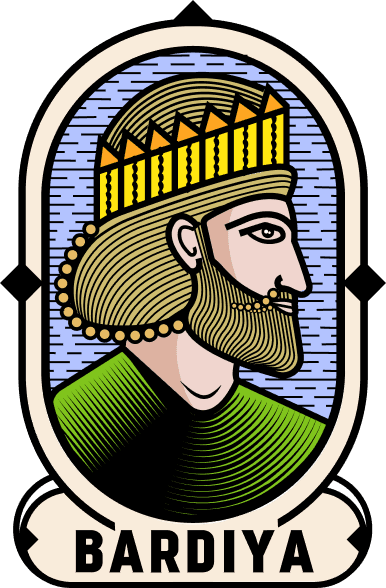
Bardiya
The Shadow King and the Great Identity Mystery
The enigmatic son of Cyrus the Great; a prince of mystery, a radical reformer of taxes, and the central figure of the Achaemenid Empire's greatest dynastic crisis.
Bardiya, the younger son of Cyrus the Great, ascended the throne in 522 BC during a period of imperial transition. His reign remains the most controversial enigma in Persian history. While the official "Behistun" account labels him an imposter named Gaumata, modern historians view this with skepticism. Whether he was the true son of Cyrus or a brilliant usurper, his seven-month rule shook the foundations of the Persian world and forced a total realignment of the royal bloodline.
Lineage and Rise to Power
As the son of Cyrus the Great, Bardiya held immense symbolic power. According to the official narrative, he was secretly executed by his brother Cambyses II. However, when a claimant appearing to be Bardiya seized the throne in 522 BC, the provinces quickly declared their allegiance. This swift acceptance suggests that either the execution was a later fabrication or the empire was desperate for the leadership of Cyrus’s direct lineage.
The Behistun Account vs. Historical Reality
Darius the Great later immortalized the downfall of this king on the Behistun cliffs, framing the conflict as a battle against "The Lie" (Drauga). Darius claimed a Magus named Gaumata had deceived the nation. Yet, modern critical analysis suggests this narrative was a sophisticated tool of political legitimacy, designed to justify the coup by a lateral branch of the Achaemenid family against the direct line of Cyrus.
Administrative Reforms and Tax Abolition
Bardiya’s most significant policy was the total remission of taxes and military service for three years. While the official record suggests this was a bribe to gain popularity, it can also be seen as a strategic reform to ease the burden on a war-weary empire. These radical moves made him a beloved figure among the common people, even as they threatened the economic interests of the Persian nobility.
The Seclusion of the King: Security or Deception?
A unique aspect of Bardiya’s reign was his extreme privacy. The official story claims he hid to conceal his false identity. However, historical analysis offers a different perspective: a new king, facing potential assassination from Cambyses or rival nobles, might naturally limit his public appearances for security. What Darius called "deception" could simply have been the calculated caution of a ruler in a volatile environment.
The Overthrow by the Seven Conspirators
The reign of Bardiya ended abruptly when seven high-ranking Persian nobles, led by Darius, forced their way into the royal fortress. They portrayed the king as a usurper destroying the traditional privileges of the Persian aristocracy. In a swift encounter, Bardiya was killed, but his death sparked massive rebellions across the empire, indicating that many provinces still viewed him as their legitimate sovereign.
Religious Policy: Reform or Sacrilege?
The Behistun inscription accuses Bardiya of destroying sanctuaries and altering rites. While Darius framed this as "restoring order," modern historians argue that Bardiya may have been attempting to curb the growing power of certain priestly classes or decentralized cults. His religious "sacrilege" might actually have been an early attempt at centralizing imperial authority under the crown.
Legacy and Historical Debate
For centuries, the world saw Bardiya through the eyes of his successor, Darius. Today, he is viewed as a complex figure: perhaps a populist prince attempting to protect the weak from the nobility, or perhaps a victim of the most successful political propaganda in ancient history. His short reign remains the pivotal moment that transitioned the empire from the age of conquest to the age of institutionalized law.