Cambyses II: The Pharaoh King and the Conquest of the Nile
Jan 30, 2025

Irani Bio
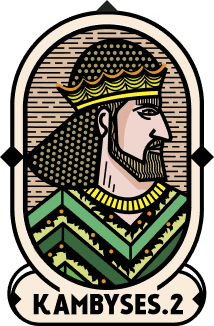
Cambyses II
The Conqueror of the Nile and Expander of the Persian Empire
Cambyses II, the eldest son of Cyrus the Great and Cassandane, ascended the throne in 530 BC following the death of his father. He inherited a burgeoning empire and was tasked with maintaining its stability. Known for his authoritative and bold personality, his short yet impactful reign is defined by the monumental conquest of Egypt.
While Greek historians like Herodotus portrayed him as a volatile ruler, archaeological evidence and Egyptian inscriptions reveal a pragmatic leader who respected local customs. By incorporating Egypt into the empire, he made Persia the indisputable global superpower, paving the way for the golden age of Darius the Great.
Lineage and Early Life
As the eldest son of Cyrus the Great, Cambyses was trained for kingship from a young age. During his father's lifetime, he served as the governor of Babylon, gaining essential experience in managing a diverse empire.
Accession and Consolidation
Following Cyrus's death, Cambyses took the throne without major opposition. He spent his early years suppressing local revolts and securing the eastern frontiers before launching his primary objective: the Egyptian campaign.
Strategy for Egypt
Egypt was the last major power resisting Achaemenid rule. Cambyses built a formidable navy with Phoenician assistance and secured an alliance with desert tribes for logistics, creating a masterclass in ancient military planning.
Battle of Pelusium: The Fall of Pharaohs
In 525 BC, the Persian army defeated Psamtik III at Pelusium. This victory opened the gates to Memphis, ending the long line of native Pharaohs and turning Egypt into a Persian satrapy.
Ruling as Pharaoh
In Egypt, Cambyses adopted the title of Pharaoh and was crowned in traditional temples. He took the throne name "Mesuti-Ra" and showed respect to Egyptian deities to gain the loyalty of the populace.
Expansion to Ethiopia and Libya
After securing Egypt, Cambyses sought to extend Persian influence further into Africa. He launched expeditions to Ethiopia (Kush) and Libya (Siwa), pushing the empire's boundaries deep into the continent.
Character in History vs. Greek Myths
Herodotus claimed Cambyses insulted Egyptian religion, but archaeological findings prove he participated in the sacred burial of the Apis bull and provided financial support to local temples.
Administrative Reforms
He was the first to implement the Persian provincial management system in North Africa. By appointing Persian satraps while maintaining local administrative tools, he ensured stability and revenue flow.
Religion and Beliefs
Like his father, he followed ancient Iranian traditions but practiced religious tolerance. He understood that ruling a global empire required respecting the diverse faiths of all subjects.
The Bardiya Mystery
A controversial aspect of his life is his relationship with his brother, Bardiya. The Behistun Inscription claims Cambyses had Bardiya secretly executed before the Egyptian campaign to prevent a coup.
Mysterious Death
In 522 BC, while returning from Egypt to quell a rebellion in the heartland, Cambyses died under mysterious circumstances in Syria. Whether it was an accident, suicide, or assassination remains a historical debate.
Historical Legacy
Cambyses II served as the bridge between the eras of Cyrus and Darius. By adding Egypt's wealth and prestige to the empire, he ensured the Achaemenid Dynasty’s place as the dominant power of the ancient world.