Iranian Calligraphers: History, Styles, Famous Masters, and Modern Influence
Dec 01, 2025

Irani World
Introduction to Iranian Calligraphy
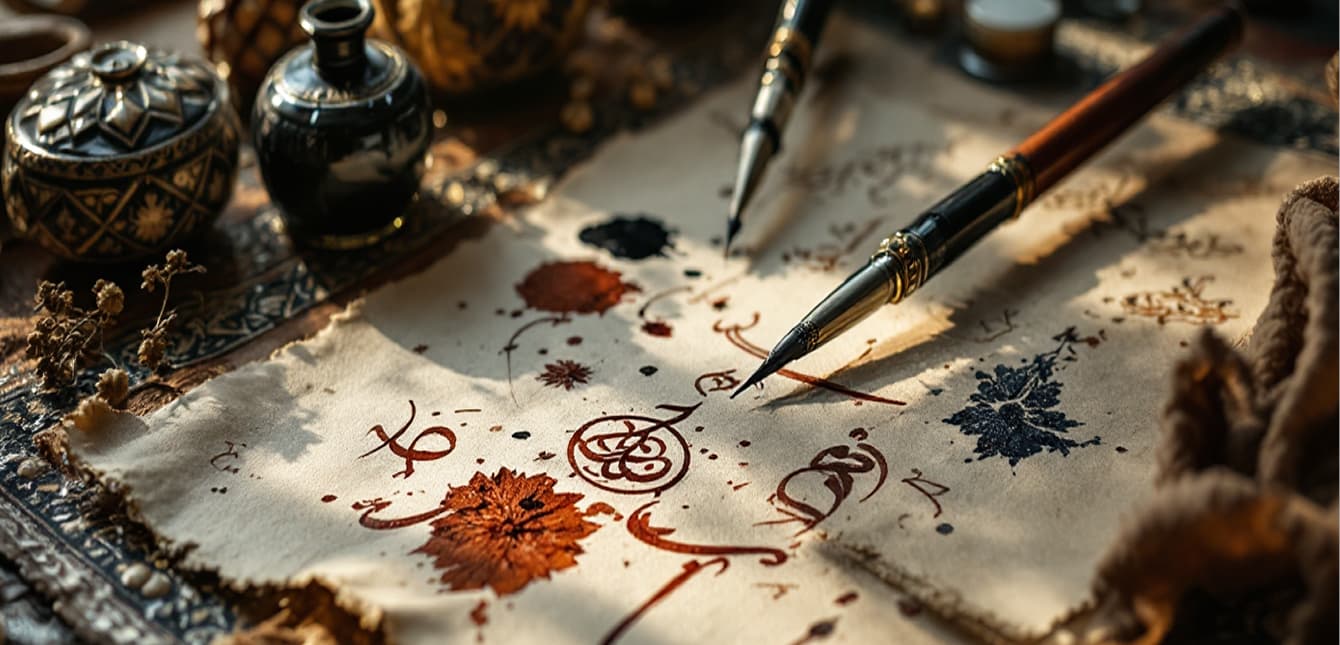
Iranian calligraphy is one of the most cherished artistic traditions in the Middle East, renowned for its elegance, harmony, and profound cultural significance. For centuries, Iranian calligraphers have transformed writing into a visual art form—one that represents spirituality, poetry, and beauty all at once. Persian calligraphy is not merely a method of writing; it is a disciplined artistic practice shaped by philosophy, literature, and devotion.
What makes Iranian calligraphy so distinctive is the balance between simplicity and complexity. Each curve, line, and movement of the pen reflects a unique artistic identity, and every calligrapher adds their personal interpretation to the long-standing tradition. This combination of creativity and strict structure has enabled Iranian calligraphy to remain relevant, admired, and studied by artists worldwide.
What Makes Iranian Calligraphy Unique?
Persian calligraphy stands out because it blends mathematical precision with expressive freedom. The scripts created by Iranian calligraphers—especially Nasta'liq—are known for their fluid motion, natural proportions, and poetic rhythm. Unlike many writing systems, Persian calligraphy is designed to create visual harmony, making each word feel like a piece of art rather than a simple written form.
Another reason for its uniqueness is the connection between calligraphy and Persian literature. Poets like Hafez, Rumi, and Saadi inspired generations of calligraphers, and many masterpieces of Iranian calligraphy are, in fact, beautifully written verses of poetry.
The Role of Calligraphers in Persian Art and Culture
Throughout Persian history, calligraphers have held a prestigious status. They worked in royal courts, documented historical events, decorated mosques, and created manuscripts that are still preserved in museums around the world. Their work was not only aesthetic but also functional—calligraphers were considered cultural guardians who preserved knowledge, stories, and religious texts through their art.
Even today, calligraphers are respected figures in Iranian society. Their work is showcased in galleries, festivals, and academic institutions, and many continue to mentor younger generations to keep the art alive.
Why Iranian Calligraphers Are Researched Today
People search for information about Iranian calligraphers for several reasons:
– To learn the history behind Persian artistic traditions
– To understand different calligraphy styles
– To discover famous Iranian masters of the past
– To find modern calligraphers for artwork, exhibitions, or commissions
– To learn calligraphy themselves
– To explore techniques, tools, or cultural influence
Whether someone is an art enthusiast, a student, a collector, or simply curious about Persian culture, Iranian calligraphy offers a deep world of heritage and creativity to explore.
Historical Overview of Iranian Calligraphers
Iranian calligraphy has evolved over more than a thousand years, shaped by kings, scholars, artists, and cultural movements. This tradition grew alongside major historical events, from pre-Islamic Persia to the Islamic Golden Age, and later through the Timurid, Safavid, Qajar, and contemporary eras. Each period introduced new styles, new ideas, and legendary calligraphers who left a lasting mark on Persian art.
Origins of Calligraphy in Ancient Persia
Although the refined calligraphy we know today emerged after the Islamic period, the roots of beautiful writing in Iran trace back to ancient scripts such as Pahlavi and Avestan. These early writing systems already showed a desire for visual harmony, especially in religious manuscripts. However, with the arrival of Islam in the 7th century, Persian calligraphy underwent a dramatic transformation, adopting the Arabic script and evolving into a highly artistic form.
Evolution During the Islamic and Persian Dynasties
During the Abbasid and Seljuk periods, calligraphy became a respected scholarly art. Iranian calligraphers played a leading role in developing and refining scripts used across the Islamic world. As manuscripts became more elaborate, artists began to experiment with ornamentation, illumination, and the composition of pages.
The real turning point came during the Timurid dynasty, when the royal courts of Herat and Tabriz became centers of artistic innovation. Many of the greatest Iranian calligraphers lived and worked during this period, creating masterpieces that still define the standards of Persian calligraphy.
The Golden Age of Iranian Calligraphy
The Golden Age, spanning the Timurid and Safavid eras, introduced legendary artists such as Mir Ali Tabrizi, Mir Emad, and Sultan Ali Mashhadi. Scripts like Nasta'liq and Shekasteh Nasta'liq reached perfection during these centuries.
This era produced illuminated manuscripts, royal decrees, poetry collections, and architectural inscriptions that are considered some of the finest works in Islamic art. Iranian calligraphy during this period was deeply intertwined with literature, spirituality, and aesthetics, forming a cultural identity that continues to inspire artists worldwide.
Major Styles Developed by Iranian Calligraphers
Persian calligraphy is best understood through the scripts that Iranian calligraphers created, refined, and perfected over centuries. Each script has its own personality: some are bold and geometric, others are soft and poetic. These styles were shaped not only by artistic preferences but also by cultural needs—religious texts, poetry, documents, and architectural decoration all required different forms of writing.
Nasta'liq Script and Its Importance
Nasta'liq is widely known as the “bride of calligraphy scripts,” and for good reason. Developed in the 14th century, it is considered the most elegant and visually harmonious of the Persian scripts. Its smooth curves, descending diagonal lines, and balanced spacing make it perfect for writing poetry—especially the works of Rumi, Hafez, Saadi, and Ferdowsi.
Iranian calligraphers spent generations refining the rules of Nasta'liq, turning it into an art form that is both disciplined and expressive. Today, it remains the most iconic script associated with Persian identity.
Shekasteh Nasta'liq: Innovation and Freedom
Shekasteh, meaning “broken,” emerged as a more fluid, faster version of Nasta'liq. Iranian calligraphers introduced this style to meet the need for quicker writing without losing artistic beauty.
Unlike the structured elegance of Nasta'liq, Shekasteh is full of personality—letters are linked, stretched, or compressed in ways that reflect the calligrapher’s creativity. This script became very popular in the Qajar era and is still widely used by modern artists who appreciate its expressive freedom.
Kufic and Its Early Role
Kufic, one of the oldest Arabic scripts, played an important role in early Iranian calligraphy. Although it originated elsewhere, Iranian artists developed their own variations, especially for use in architecture and decorative arts.
Kufic is known for its geometric, angular shapes. It was used extensively to decorate mosques, coins, carpets, and monuments. While not the primary script for Persian poetry, Kufic holds historical importance as the foundation that shaped future scripts.
Thuluth and Its Use in Architecture
Thuluth is another classical script that Iranian calligraphers embraced and elevated. Characterised by large, sweeping curves and tall vertical strokes, Thuluth is dramatic and majestic—perfect for inscriptions on domes, minarets, and royal buildings.
Its complexity makes it challenging to master, which is why Thuluth calligraphers are respected as highly skilled specialists. Many historical monuments in Iran, especially from the Safavid period, feature stunning Thuluth inscriptions.
Contemporary Innovations in Persian Scripts
Today, many Iranian calligraphers mix traditional styles with modern design principles. We see abstract calligraphy, calligraphy-painting (khat-negari), digital calligraphy, and even minimalist interpretations of Nasta'liq and Shekasteh.
These innovations show that Persian calligraphy is not frozen in the past—it's an evolving art form that continues to grow and inspire new generations.
The Most Influential Iranian Calligraphers in History
Iran has produced some of the greatest calligraphers in the Islamic world. These masters shaped scripts, trained generations of artists, and created works that remain central to global art history.
Mir Ali Tabrizi – The Father of Nasta'liq
Mir Ali Tabrizi is credited with inventing the Nasta'liq script, a revolutionary step in Persian calligraphy. His mastery and creativity laid the foundation for what would become the most beloved Persian writing style. Many later calligraphers refined his work, but the essence of Nasta'liq remains tied to his vision.
Sultan Ali Mashhadi
A leading calligrapher of the Timurid era, Sultan Ali Mashhadi was known for his precision and delicate handwriting. He authored influential treatises on calligraphy and trained many students who later became masters in their own right. His work appears in some of the most beautiful manuscripts of the 15th century.
Mir Emad Hassani
Mir Emad is perhaps the most celebrated Iranian calligrapher of all time. His Nasta'liq script represents the peak of perfection—balanced, smooth, and breathtakingly beautiful. He served in the Safavid court and his pieces are preserved in major museums such as the Louvre, the British Library, and the Metropolitan Museum of Art.
Mohammad Reza Kalhor
Famous for his innovation in Shekasteh Nasta'liq, Kalhor modernized the script and expanded its artistic possibilities. His influence is still visible in contemporary Iranian calligraphy.
Reza Abbasi and the Safavid Era
Reza Abbasi, although widely known as a painter and miniaturist, was also a refined calligrapher who helped integrate text and imagery. His contributions show how calligraphy and painting often worked together in Persian art.
Contemporary Iranian Calligraphers
Today’s Iranian calligraphers continue to preserve tradition while introducing modern ideas into the art. The global appreciation for Persian culture has opened new pathways for these artists to present their work internationally.
Prominent Living Masters
Several living Iranian calligraphers are recognized both inside and outside the country. Many have received UNESCO awards, national medals of art, and invitations to exhibit in global galleries. Their styles may vary—from classical Nasta'liq to abstract fusion styles—but they all contribute to keeping Persian calligraphy vibrant.
Calligraphy in Modern Iranian Art Galleries
Iranian galleries frequently host exhibitions dedicated to calligraphy and calligraphy-painting. The combination of words, texture, and color gives calligraphy a strong presence in contemporary visual arts. These events help younger artists gain exposure and allow audiences to connect with traditional aesthetics in a modern setting.
How Today’s Artists Blend Tradition with Digital Art
Modern Iranian calligraphers are increasingly using tablets, graphic design software, and digital brushes to reinterpret classic scripts. Digital calligraphy has become popular for brand logos, posters, NFTs, and social media art.
Techniques and Tools Used by Iranian Calligraphers
The artistry of Iranian calligraphy is deeply tied to the tools and techniques that masters have used for centuries. Every element—from the pen to the ink—plays a role in shaping the final aesthetic. While the tools may seem simple, the craftsmanship behind them requires precision, patience, and deep knowledge of the art.
Qalam (Reed Pen) Craftsmanship
The qalam, traditionally made from high-quality reeds, is the primary tool of Iranian calligraphers. Each pen is hand-cut, shaped, and polished to achieve the desired thickness and angle. The way a qalam is carved determines the style of strokes it produces, making pen-making an essential skill for calligraphers. Mastery of the qalam allows artists to create delicate curves, bold lines, and harmonious proportions.
Traditional Ink Preparation
Ink preparation is another ritualistic part of the practice. Historically, Iranian calligraphers created their own ink using natural ingredients such as soot, gum arabic, and various plant extracts. The goal was to achieve a deep, rich black that would flow smoothly without smudging. Even today, many calligraphers prefer handmade inks for their consistency and longevity on paper.
Paper Types in Persian Calligraphy
Paper selection is equally important. Traditional papers were polished with materials like starch or egg whites to create a smooth surface that supported fine, precise strokes. Different types of paper are used depending on the script, purpose, or desired texture. High-quality papers allow the ink to sit on the surface cleanly, preserving the crispness of each line.
Composition, Spacing, and Aesthetic Rules
Iranian calligraphers follow a set of aesthetic principles that guide spacing, letter proportions, and overall harmony. These rules are rooted in geometry and rhythm. The placement of each word is intentional, creating a sense of visual balance. Calligraphers spend years mastering these rules before developing their own signature style.
Iranian Calligraphers in Global Art
Iranian calligraphy has transcended national borders and gained recognition in museums, galleries, and cultural institutions worldwide. The combination of poetic language and visual beauty has allowed this art form to influence global artists and designers.
International Exhibitions and Recognition
Masterpieces by Iranian calligraphers are displayed in major museums such as the Louvre, the British Museum, and the Metropolitan Museum of Art. Exhibitions of Persian manuscripts, calligraphy panels, and contemporary works continue to attract international attention. These exhibitions highlight the sophistication and historical depth of Iranian calligraphy.
Persian Calligraphy’s Influence on World Artists
Artists from Europe, Asia, and the Americas have drawn inspiration from the flowing forms of Persian calligraphy. Its emphasis on movement, rhythm, and abstraction has influenced modern typography, graphic design, contemporary painting, and even architectural elements. Many designers study Persian scripts to incorporate their elegance into modern visual communication.
The Role of Iranian Calligraphers in Cultural Diplomacy
Calligraphers often serve as cultural ambassadors, participating in international festivals, workshops, and art talks. Their work helps introduce global audiences to Persian culture, poetry, and aesthetics. Through their art, they create a bridge between cultures, promoting dialogue and appreciation of Iran’s artistic heritage.
Learning From Iranian Calligraphers
The growing global interest in Persian calligraphy has encouraged many people to learn this art form. Whether pursued as a hobby or a professional path, the journey begins with understanding the fundamentals and following the discipline of traditional masters.
How Beginners Can Start Practising Persian Calligraphy
Beginners typically start by learning the structure of letters, the correct way to hold the qalam, and the basic rules of spacing and proportions. Practice is repetitive and meditative; students often rewrite the same stroke or letter hundreds of times to achieve balance and consistency. Patience is essential, as progress comes gradually.
Online Courses, Books, and Workshops
Today, numerous resources are available for learners around the world. Online classes taught by experienced Iranian calligraphers offer step-by-step lessons in scripts like Nasta'liq and Shekasteh. Books on Persian calligraphy history, technique, and practice guides support self-study. In major cities, calligraphy workshops and cultural centers also provide hands-on training.
Common Mistakes to Avoid
Beginners often press the pen too hard, rush through strokes, or neglect spacing rules. Another common mistake is trying to develop a personal style too early. The traditional approach emphasizes mastering classical forms first—once the fundamentals are internalized, creativity can be explored more confidently and effectively.
Collecting Works from Iranian Calligraphers
The artworks created by Iranian calligraphers are not only cultural treasures but also valuable collectibles. Whether for personal admiration, interior design, or investment, collecting Persian calligraphy requires an understanding of authenticity, quality, and market dynamics.
How to Identify Authentic Calligraphy
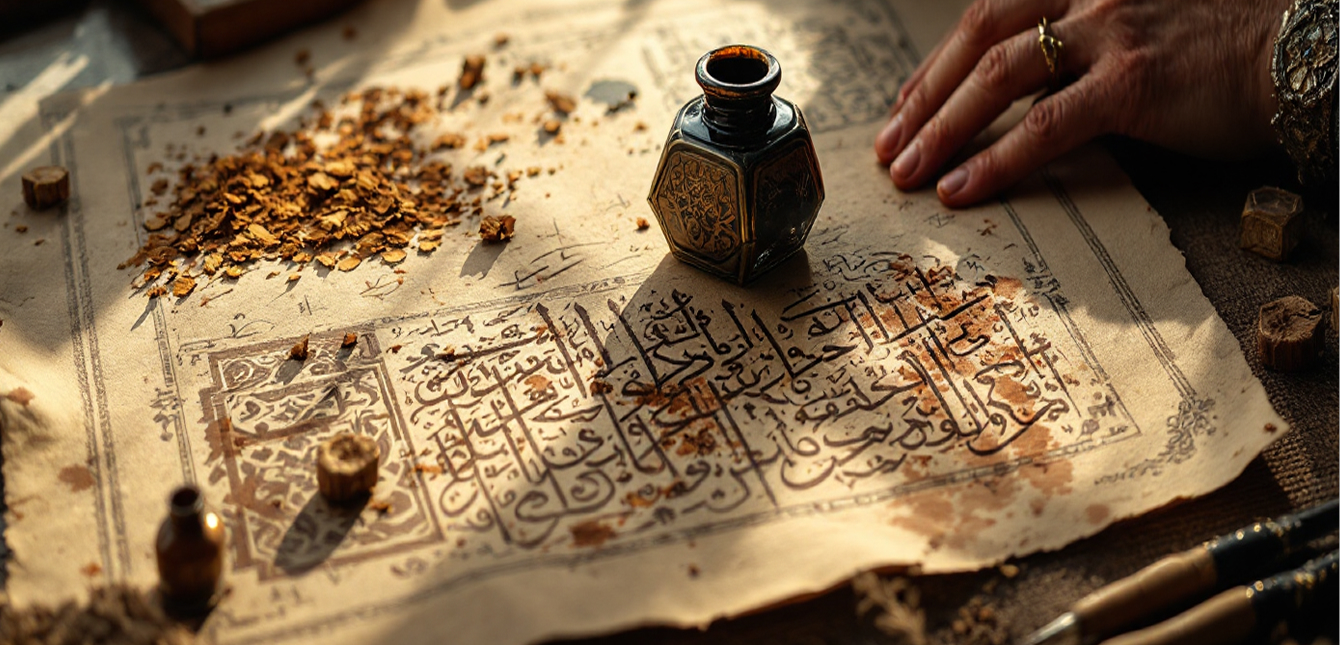
Authenticity is one of the most critical aspects of collecting calligraphy. Genuine pieces typically feature:
- Clear mastery of proportion and balance
- Traditional materials such as natural inks and handmade paper
- The calligrapher’s signature or stamp
- Consistent stroke quality without digital manipulation
Collectors should be cautious of mass-produced prints disguised as originals. Consulting experts, verifying provenance, and purchasing from reputable galleries or artists are essential steps to ensure authenticity.
Pricing Factors and Market Trends
The price of calligraphy varies significantly based on several factors:
- The calligrapher’s reputation and career history
- The script style (e.g., Nasta'liq pieces often hold higher value)
- The size and complexity of the artwork
- Materials used and the condition of the piece
- Market demand and current artistic trends
While some pieces are accessible to beginners, works by renowned masters can be highly valuable and continue to appreciate in value over time, making them strong investments.
Where to Buy Iranian Calligraphy Artwork
Collectors can find authentic pieces through:
- Established art galleries in Iran and international cities
- Online exhibitions and digital art platforms
- Cultural festivals and calligraphy events
- Auctions specializing in Middle Eastern art
- Direct commissions from contemporary calligraphers
Purchasing directly from artists is often preferred, as it supports the calligrapher and guarantees authenticity.
Preserving and Digitizing Calligraphy by Iranian Calligraphers
Preservation ensures that calligraphic works—some centuries old—remain protected for future generations. With technological advancements, digitization has become an important part of this effort as well.
Restoration Techniques
Restoration experts carefully clean and repair aging manuscripts, panels, and scrolls using specialized techniques. They may stabilize paper fibers, restore faded ink, or repair tears without altering the original artwork. The goal is to preserve the integrity and historical value of the piece while preventing further damage.
Digital Preservation and NFT Calligraphy
Digital preservation allows museums and collectors to archive high-resolution images of calligraphic works. This ensures accessibility for researchers and the public while minimising handling of fragile originals.
Recently, some contemporary Iranian calligraphers have begun experimenting with NFTs (non-fungible tokens) to authenticate and sell digital versions of their artwork. This approach expands the reach of calligraphy into new digital art markets.
Museum Efforts in Iran and Worldwide
Major museums continue to invest in conservation programs that protect Persian manuscripts and calligraphy. Institutions such as the National Museum of Iran, the Museum of Islamic Art, and international museums regularly restore, digitise, and exhibit Iranian calligraphy to keep the tradition alive and accessible.
Frequently Asked Questions About Iranian Calligraphers
1. What is the most famous Persian calligraphy script?
Nasta'liq is considered the most iconic and visually harmonious script in Persian calligraphy.
2. Who is the greatest Iranian calligrapher of all time?
Many consider Mir Emad Hassani the most influential master due to his exceptional refinement of the Nasta'liq script.
3. Can beginners learn Persian calligraphy easily?
It requires patience and disciplined practice, but beginners can start with basic strokes and online lessons.
4. Are Iranian calligraphy artworks expensive?
Prices vary widely. Works by famous masters are highly valuable, while contemporary pieces can be more affordable.
5. What tools do Iranian calligraphers use?
Main tools include the qalam (reed pen), handmade ink, polished paper, and traditional rulers for spacing.
6. Is Persian calligraphy used in modern design?
Yes. It appears in branding, digital art, interior design, fashion, and contemporary visual arts.
7. Where can I see original Iranian calligraphy?
Museums such as the Louvre, the Metropolitan Museum of Art, and the National Museum of Iran have notable collections.
Conclusion: The Lasting Legacy of Iranian Calligraphers
Iranian calligraphers have shaped one of the most refined artistic traditions in world history. Their masterpieces embody poetry, spirituality, geometry, and cultural identity—elements that continue to influence artists globally. From ancient manuscripts to digital creations, Persian calligraphy remains a living art form, evolving with each generation while staying rooted in its timeless beauty.
More Popular Blogs
Famous Iranian Artists & Contemporary Art: Tradition Meets Innovation
Iran is a land with a rich cultural and artistic heritage, where Iranian artists have, throughout history, left behind remarkable legacies of creativity and inspiration. From the magnificent architecture of historic monuments...
Irani World
08/20/2025
12 min read
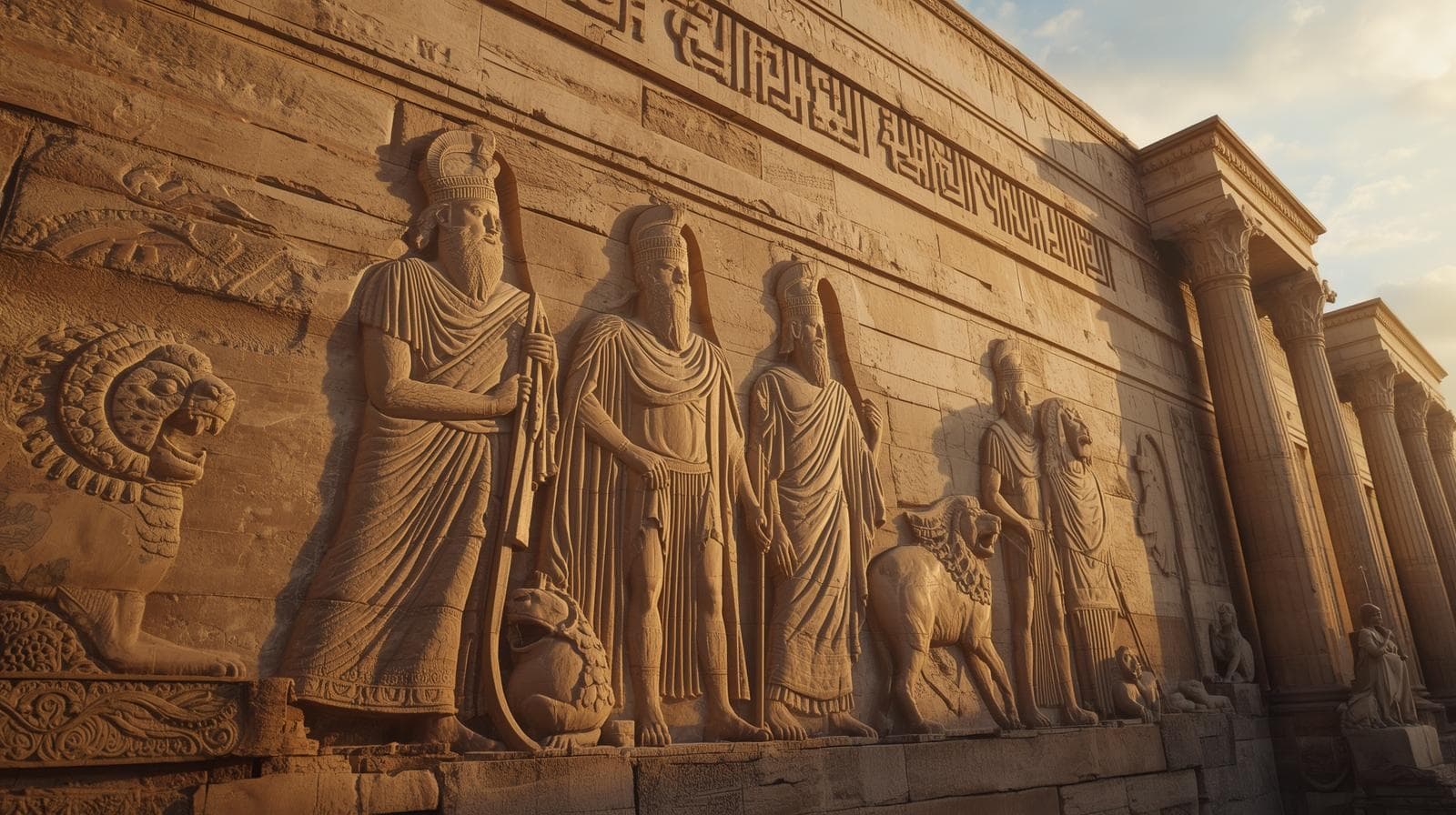
Iranian Sculpture: A Journey from Ancient Stone to Modern Soul
Journey through the rich history of Iranian sculpture. This guide covers everything from the grandeur of Achaemenid stone carvings and Islamic metalwork to the bold innovations of the modern Saqqakhaneh movement and today’s global contemporary artists.
Irani World
01/06/2026
9 min read
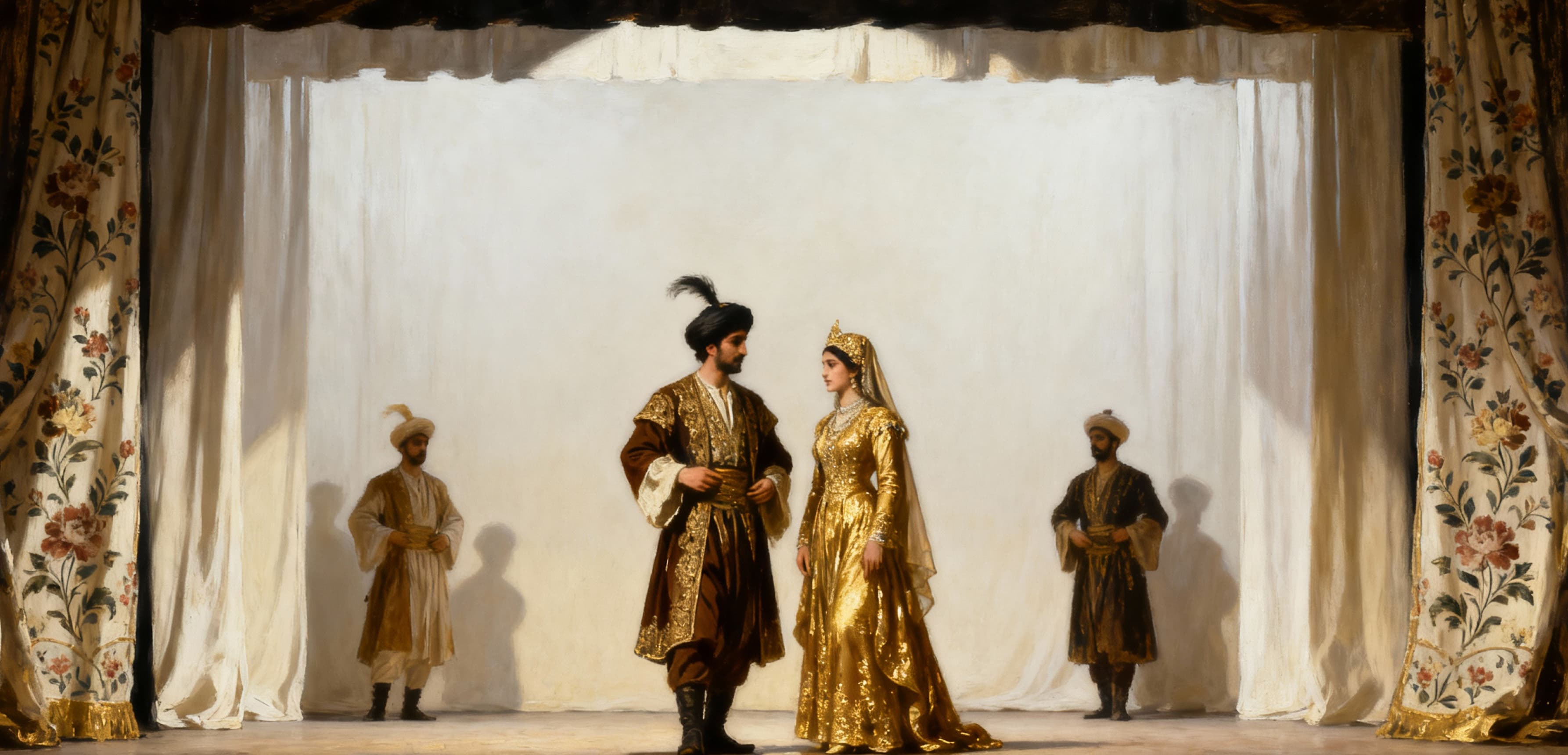
Iranian Theater Artists: Spotlight on Prominent Figures and Their Impact on Theater Culture
Iranian theater is a deeply rooted art form that has shaped the cultural landscape of the country for centuries. The richness of Persian literature, the country's historical depth, and its dynamic social...
Irani World
11/26/2025
7 min read

Through an Iranian Lens: Exploring the World of Iranian Photographers
A journey through Iranian photography: the poets with cameras, the witnesses of history, and the artists redefining how the world sees Iran.
Irani World
02/22/2026
9 min read
Category