Iranian Theater Artists: Spotlight on Prominent Figures and Their Impact on Theater Culture
Nov 26, 2025

Irani World
Introduction
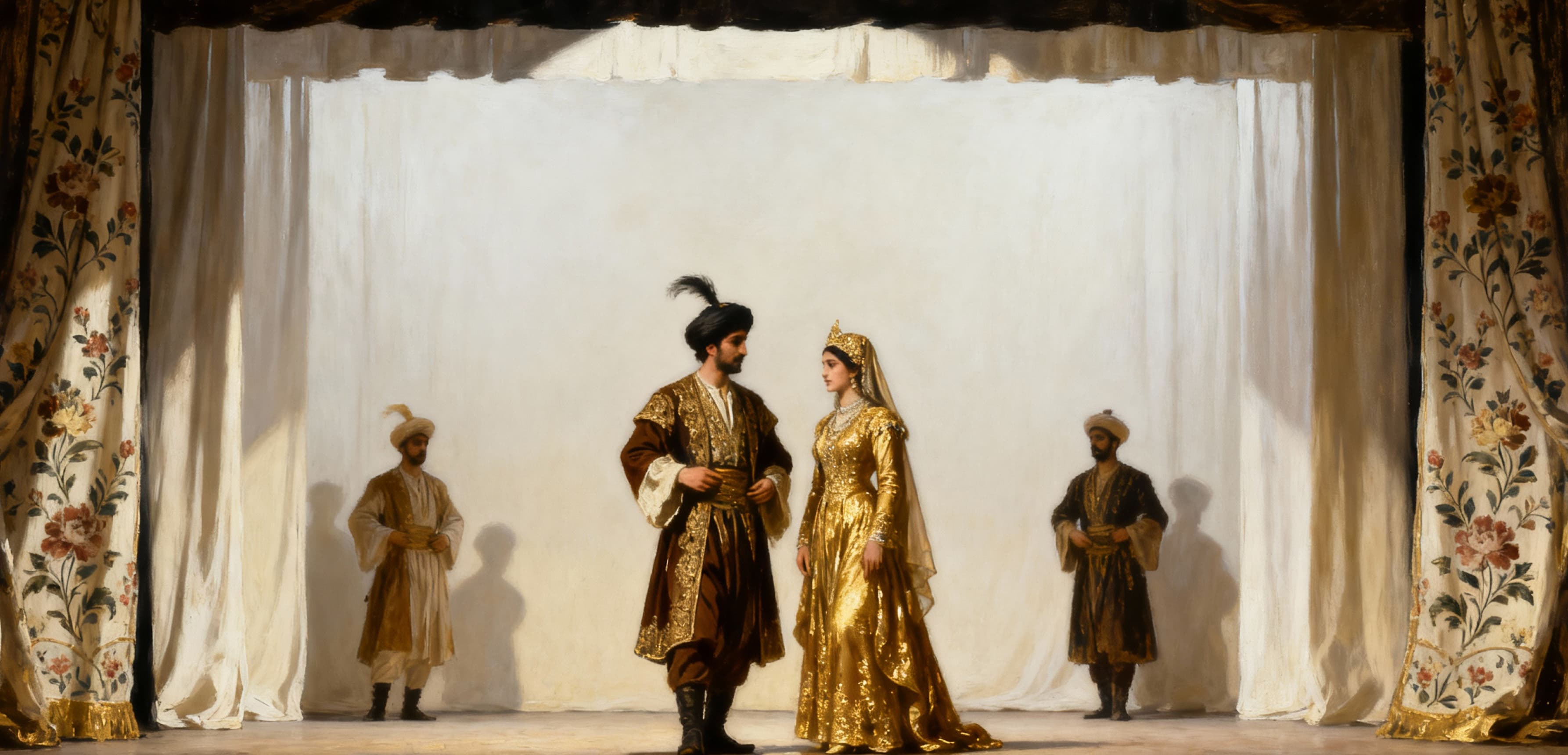
Iranian theater is a deeply rooted art form that has shaped the cultural landscape of the country for centuries. The richness of Persian literature, the country's historical depth, and its dynamic social changes have all contributed to the evolution of Iranian theater. This article will explore the influential figures who have defined the course of Iranian theater, showcasing their unique styles and examining their impact both locally and globally.
As theater artists in Iran continue to push boundaries, their work not only highlights the beauty of Persian storytelling but also influences global theater culture. This article highlights some of the most renowned Iranian theater artists and explores their contributions to the industry.
History of Iranian Theater
The roots of Iranian theater stretch back to ancient times, with early performances tied to religious rituals and the epic poetry of the Persian Empire. However, the modern form of Iranian theater began to take shape during the Qajar dynasty (1789-1925). In this period, Western-style drama began to seep into Iranian culture, leading to a fusion of traditional Persian themes with European theatrical forms.
In the Pahlavi era (1925-1979), Iranian theater underwent further transformation. Directors like Ali Sadeghi, known for his work in the 1950s and 60s, helped shape a new era of Iranian theater by incorporating more contemporary themes while preserving traditional storytelling methods. The post-revolutionary era, after the Islamic Revolution of 1979, brought about a significant shift in theater production, with many artists either fleeing or adjusting their work to reflect new socio-political realities.
Example:
In the 1980s, Bahram Beyzaie, one of Iran’s most influential directors and playwrights, was instrumental in introducing modern Iranian theater to global audiences. His plays such as The Lord of the Earth and Rituals of the Struggle explore themes of political change, human rights, and cultural identity, resonating with both Iranian and international theater-goers.
Prominent Iranian Theater Artists
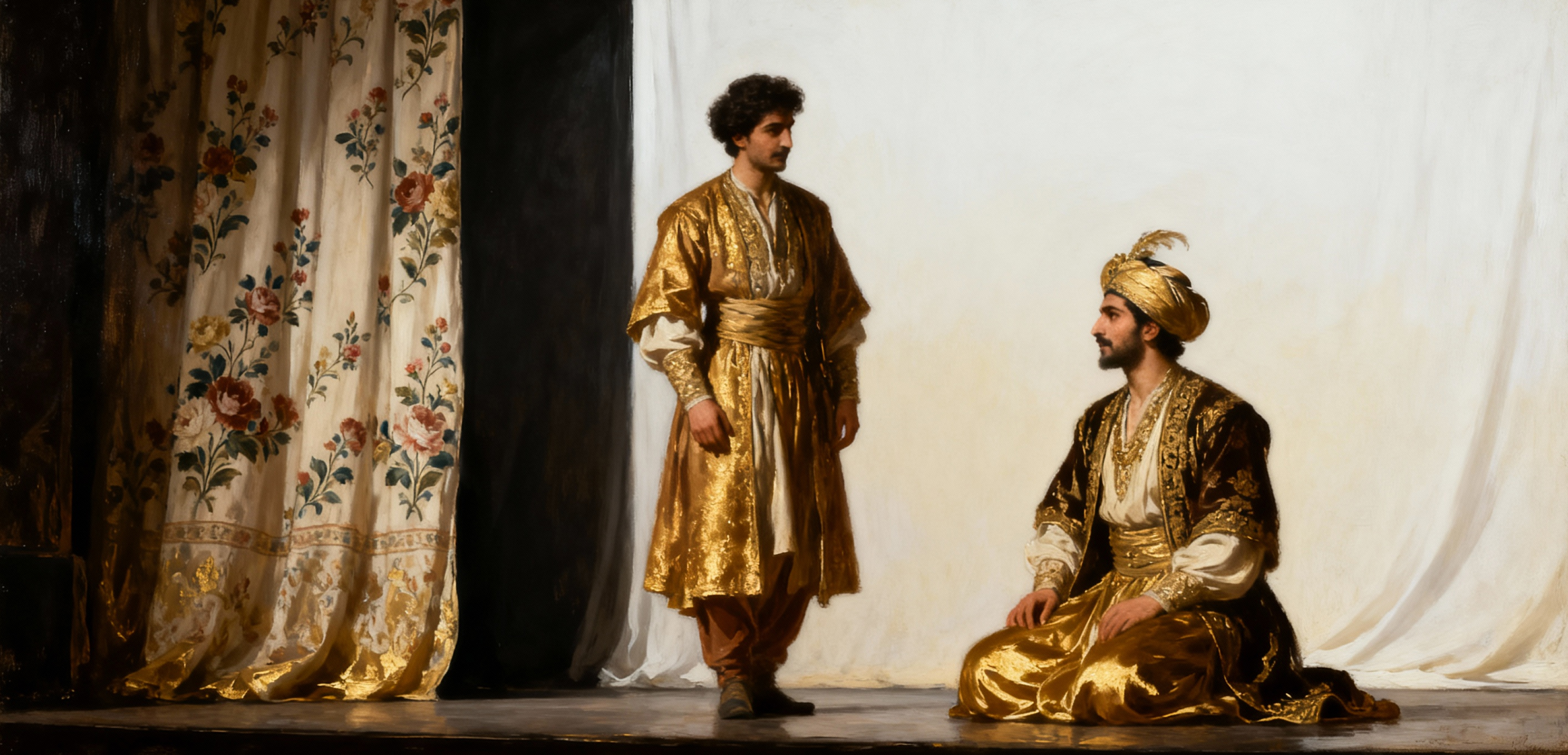
Iran has produced a remarkable number of theater artists who have made an indelible mark both in Iran and on the world stage. These artists are revered not only for their performances but also for their bold and innovative contributions to the art form.
One of the most iconic Iranian theater figures is Parviz Sayyad, an actor and director who introduced modern Iranian theater to mainstream audiences. His career spans decades, and his performances in both theater and film have earned him recognition as a cultural icon.
Example:
Another key figure is Nasrin Parsa, whose innovative plays and performances have garnered both national and international acclaim. Parsa’s adaptation of traditional Persian themes, such as in The Tragedy of the Commons, invites audiences to reflect on Iranian society’s struggles, drawing parallels with contemporary issues such as environmentalism and social justice.
Different Styles of Iranian Theater
Iranian theater, much like any other cultural expression, has evolved through different styles and movements. From traditional performances based on ancient Persian literature to modern experimental theater, Iranian artists continue to explore new techniques while honoring the country’s artistic legacy.
Classical Iranian Theater
Classical Iranian theater has its roots in ancient storytelling traditions, such as the Naqqali performance style, where storytellers would perform epic tales. This traditional form has deeply influenced modern plays and performances in Iran.
Modern and Experimental Theater
Modern Iranian theater artists often incorporate new media, abstract storytelling, and political commentary. Experimental theater in Iran has blossomed, particularly after the revolution, with artists using the stage as a platform to discuss pressing issues, like human rights and censorship. Directors like Khosro Shakibai and Mehrdad Sarlak have redefined Iranian theater by using symbolic and non-linear narratives.
Traditional Iranian Theater and its Glory at Festivals
Iran’s traditional theater, characterized by grand productions and the use of music and dance, still thrives at cultural festivals. The Fajr International Theater Festival, held annually in Tehran, is a testament to the enduring appeal of these traditional forms. Artists continue to blend the old with the new, preserving the soul of Persian theater while exploring contemporary challenges.
Example:
The Fajr Theater Festival is one of the most important cultural events in Iran, showcasing both traditional and experimental performances. The festival has featured renowned directors like Mohammad Rahmanian, whose work on plays such as The Blind Poet draws on Iran’s rich literary heritage.
Challenges and Achievements of Iranian Theater Artists
While Iranian theater has achieved great success, its artists have faced numerous challenges, particularly in a socio-political climate that has been historically sensitive to free expression. Political censorship, economic hardship, and the occasional repression of artistic freedom have made it difficult for many artists to present their work without restriction.
However, despite these obstacles, Iranian theater artists have continually found ways to thrive and garner international recognition. Iranian directors and playwrights have received awards at prestigious festivals, such as the Cannes Film Festival and the Edinburgh International Festival, showcasing the artistic resilience and innovation of Iranian theater.
Example:
In 2011, Asghar Farhadi, an Iranian director and playwright, won the Academy Award for Best Foreign Language Film for A Separation, a movie deeply influenced by Iranian social dynamics. His success at such a global level has paved the way for more Iranian theater artists to gain recognition on the world stage.
The Impact of Iranian Theater on Global Culture
Iranian theater has an undeniable influence on global culture, with its unique blend of storytelling, historical reflection, and social commentary. Iranian artists have used theater as a vehicle to connect with international audiences, often highlighting issues of universal relevance such as human rights, freedom of expression, and social justice.
The presence of Iranian theater at international festivals like The International Theater Festival of Cairo and The Venice Biennale further illustrates the global impact of Iranian theater. These platforms provide Iranian artists with the opportunity to share their culture and perspectives with the world.
Example:
The play Tehran’s Two Sisters by Mohammad Yaghoubian, a fusion of contemporary and traditional theater styles, was presented at the Avignon Festival in France, receiving critical acclaim for its intricate portrayal of social issues in Iran.
Conclusion
Iranian theater has a rich history shaped by extraordinary artists who have faced adversity, challenged the status quo, and impacted global culture. As we look to the future, the role of Iranian theater artists remains as vital as ever in shaping both local and global narratives. The continued support of these artists ensures that the vibrant tradition of Iranian theater will continue to thrive, evolve, and inspire future generations.
By showcasing their work on the international stage and pushing boundaries, Iranian theater artists contribute not only to the preservation of Persian culture but also to the broader world of artistic expression.
More Popular Blogs
Famous Iranian Artists & Contemporary Art: Tradition Meets Innovation
Iran is a land with a rich cultural and artistic heritage, where Iranian artists have, throughout history, left behind remarkable legacies of creativity and inspiration. From the magnificent architecture of historic monuments...
Irani World
08/20/2025
12 min read
Iranian Calligraphers: History, Styles, Famous Masters, and Modern Influence
Iranian calligraphy is one of the most cherished artistic traditions in the Middle East, renowned for its elegance, harmony, and profound cultural significance. For centuries ....
Irani World
12/01/2025
12 min read
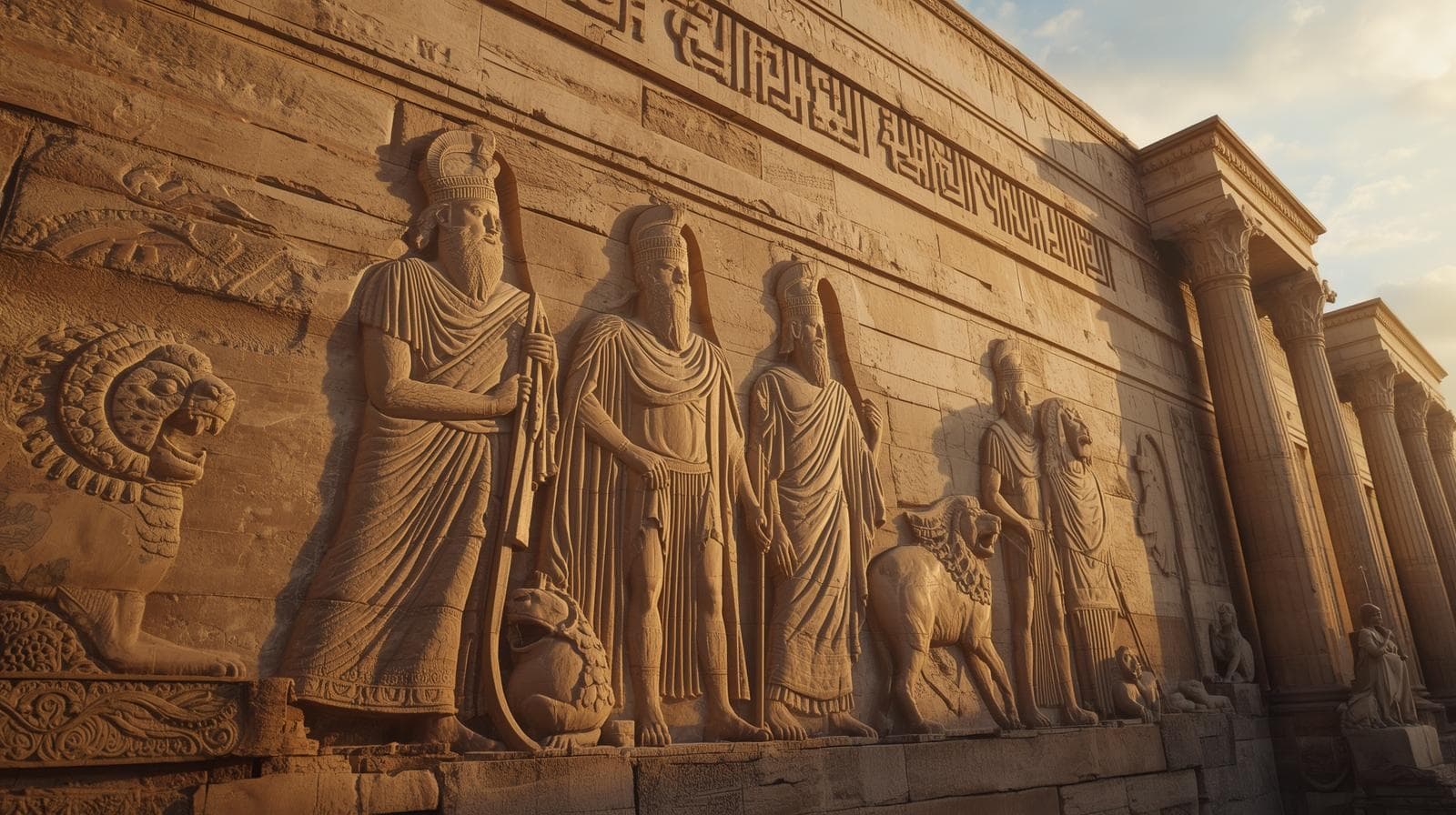
Iranian Sculpture: A Journey from Ancient Stone to Modern Soul
Journey through the rich history of Iranian sculpture. This guide covers everything from the grandeur of Achaemenid stone carvings and Islamic metalwork to the bold innovations of the modern Saqqakhaneh movement and today’s global contemporary artists.
Irani World
01/06/2026
9 min read

Through an Iranian Lens: Exploring the World of Iranian Photographers
A journey through Iranian photography: the poets with cameras, the witnesses of history, and the artists redefining how the world sees Iran.
Irani World
02/22/2026
9 min read
Category