Iranian Sculpture: A Journey from Ancient Stone to Modern Soul
Jan 06, 2026

Irani World
When we speak of Iranian sculpture, we are not just discussing objects shaped from stone or metal; we are tracing the pulse of one of the world’s oldest civilizations. For millennia, Persian artists have used three-dimensional forms to bridge the gap between the earthly and the divine, the royal and the mundane.
The Dawn of Form: Pre-Islamic Sculptural Grandeur
Long before the modern gallery scene, the plateau of Iran was a massive workshop for monumental art. Unlike the free-standing statues of Ancient Greece, Ancient Iranian sculpture was often integrated into architecture, creating a narrative that felt alive and eternal.
1. The Mastery of Luristan Bronzes
The story of Iranian sculpture begins with the enigmatic Luristan Bronzes (dating back to 1000 BCE). These small, intricate horse bits, daggers, and idols showcase a sophisticated understanding of lost-wax casting. They represent a "portable art" style, where nomadic craftsmen blended animal forms with human features, creating a surrealist aesthetic thousands of years before the term existed.
2. The Majesty of Persepolis and Achaemenid Reliefs
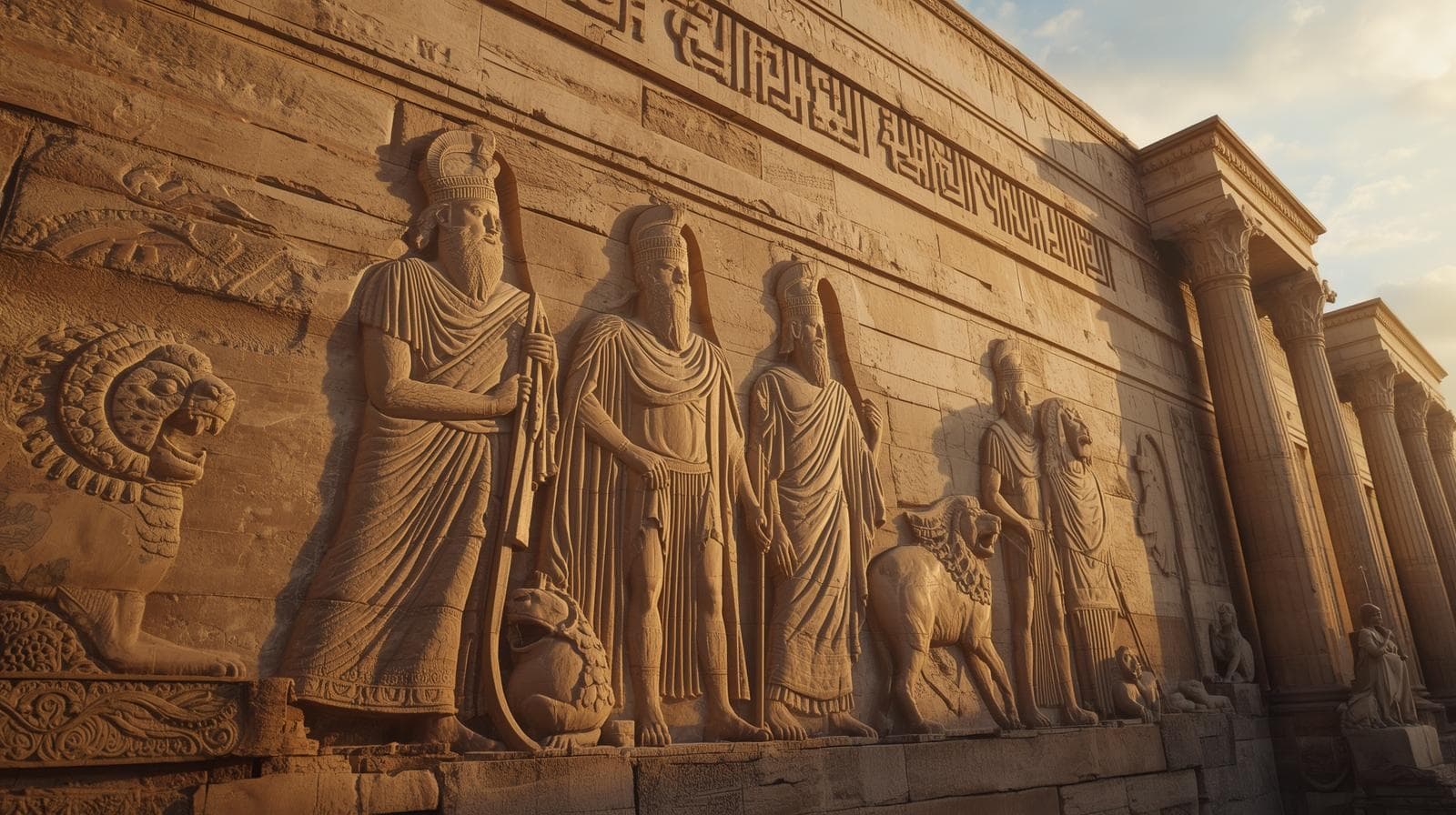
If you want to see the pinnacle of Achaemenid sculpture, you look at the walls of Persepolis. Here, the "Bas-relief" technique reached its zenith.
- The Detail: Notice the precision in the curled beards of the immortals and the intricate textures of the tributes brought by different nations.
- The Symbolism: These weren't just decorations; they were political statements of unity and power. The famous depiction of the lion attacking the bull symbolizes the changing of seasons (Nowruz) and the eternal cycle of life.
3. Sassanid Rock Carvings: Power in Scale
Moving forward to the Sassanid era, the scale became even more ambitious. At sites like Taq-e Bostan and Naqsh-e Rostam, the rock carvings are so deep they almost break free from the cliffside. These sculptures captures the "Investiture" of kings, showing a dynamic sense of movement and drapery that suggests a fascinating dialogue between Persian and Roman artistic influences.
The Islamic Era: A Shift Toward Intricate Symbolism
A common misconception is that sculpture completely vanished from Iran after the advent of Islam. While it's true that large-scale, free-standing statues became rare due to the avoidance of idolatry, the "sculptural impulse" of Iranian artists didn't disappear—it simply transformed.
From Stone to Fine Metalwork
During the Islamic Golden Age, the Iranian aesthetic shifted toward miniaturization and functional art. Sculptural skills were poured into creating exquisite bronze and brass objects.
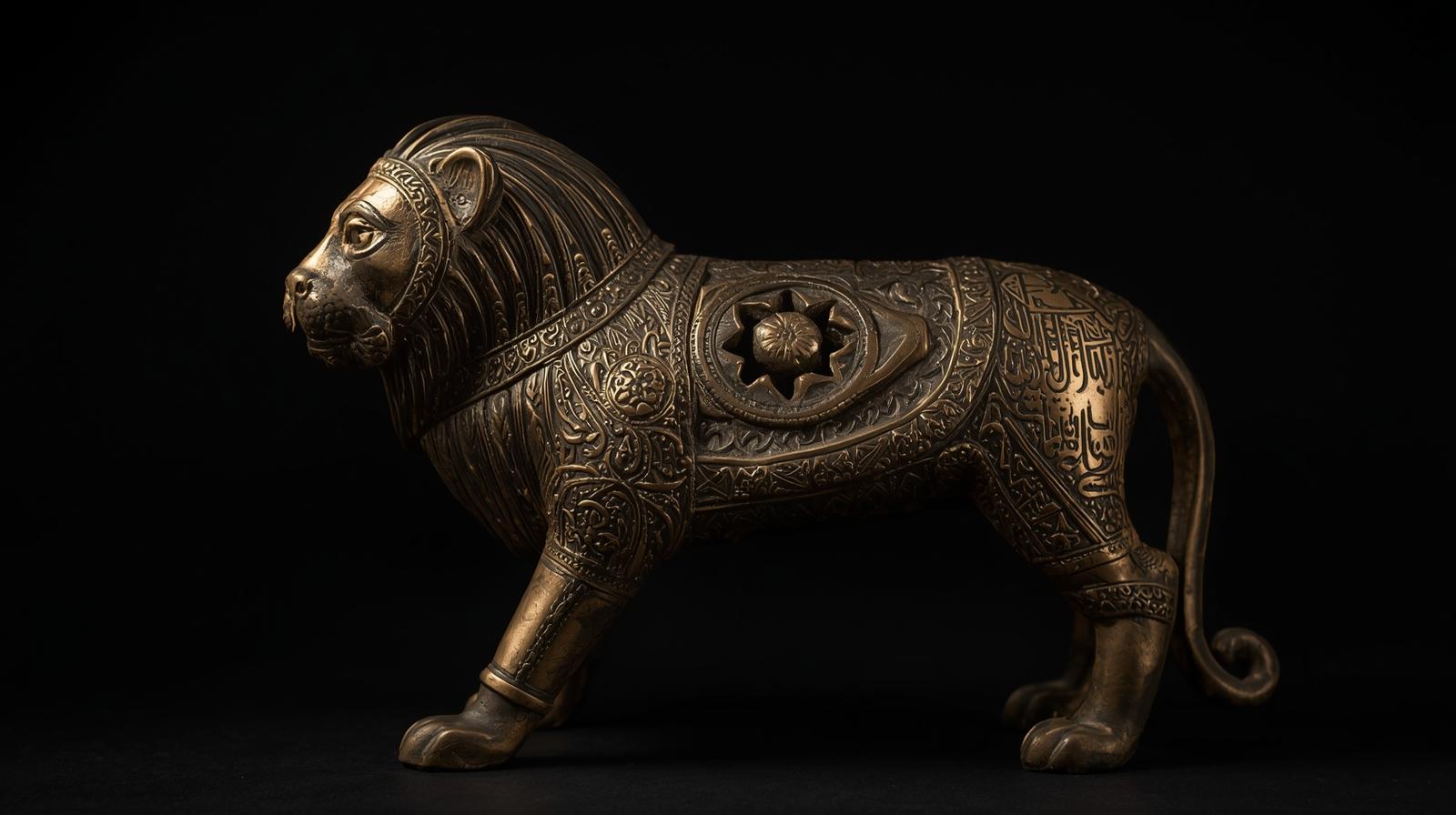
- Aquamaniles and Censers: Look at the Seljuk-era incense burners shaped like lions or birds. These aren't just household items; they are highly stylized sculptures that showcase a masterful understanding of anatomy and hollow-casting.
- The Interplay of Light: Artists used openwork (lattice-like carving) to let light pass through metal, turning a solid object into a dance of shadows—a deeply spiritual sculptural experience.
Stucco and the Art of the Mihrab
If you couldn't carve a statue of a king, you carved the very walls of the house of God. Stucco carving (Gachbori) became the new frontier of three-dimensional art in Iran.
- In monuments like the Friday Mosque of Isfahan, the stucco work is so deep and multi-layered that it creates a 3D forest of floral patterns (Arabesque) and calligraphy.
- This period proved that Iranian sculpture wasn't dead; it had become architectural and calligraphic, focusing on the "inner spirit" rather than the "outer shell."
The Safavid and Qajar Revival
As we moved into the Safavid and later the Qajar era, human and animal figures began to reappear more prominently.
- Small-scale figurines: Stone and steel carvings of animals (like the famous Persian steel birds) became popular.
- Qajar Rock Reliefs: Kings like Fath-Ali Shah attempted to revive the ancient Sassanid tradition by commissioning large rock reliefs at sites like Cheshmeh-Ali, blending traditional Persian themes with a new, almost "Baroque" theatricality.
The Modern Renaissance: The Saqqakhaneh Movement
The mid-20th century marked a dramatic "rebirth" for Iranian sculpture. This wasn't just an imitation of Western modernism; it was a deep, intellectual return to Iranian roots through a contemporary lens. This era put Iran firmly on the map of the global art market.
1. Merging the Sacred with the Secular
In the 1960s, a group of visionary artists formed the Saqqakhaneh School (often described as "Spiritual Pop Art"). They looked at everyday religious objects—locks, faucets, and talismans found in traditional water fountains (Saqqakhanehs)—and reimagined them as bold, bronze sculptures.
2. Parviz Tanavoli: The Father of Modern Iranian Sculpture
No discussion on Iranian sculpture is complete without mentioning Parviz Tanavoli. He broke world records at auctions (like Christie’s) and redefined what Middle Eastern art could be.
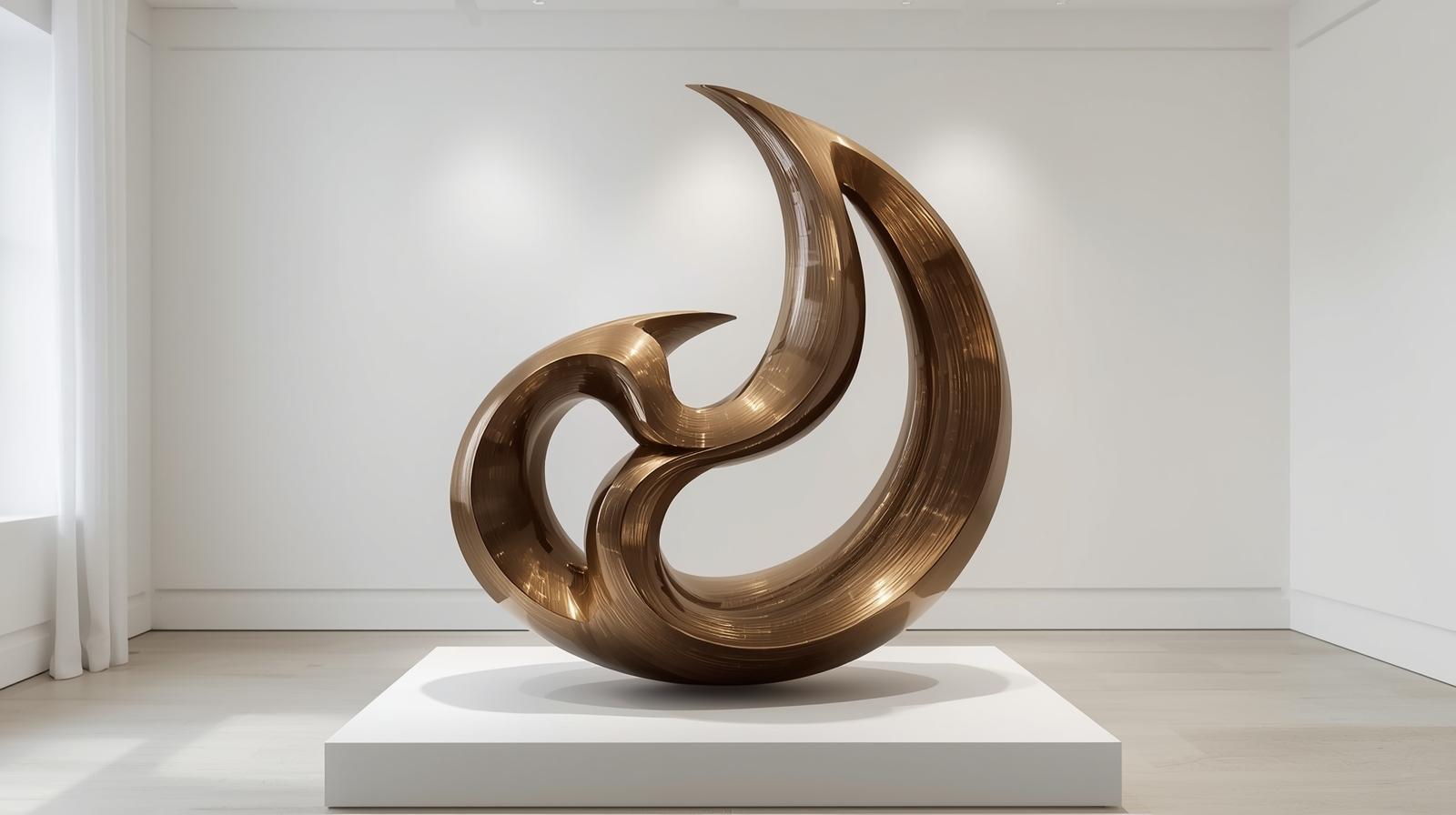
- The "Heech" Series: His most famous creation, Heech (meaning "Nothingness" in Persian), transforms a simple word into a three-dimensional, elegant form. It’s a brilliant mix of Persian calligraphy and modern sculpture, representing the Sufi concept of finding everything within nothing.
- Materiality: Tanavoli moved away from traditional stone to bronze and fiberglass, proving that Persian themes could thrive in any medium.
3. The Tehran Biennale and Academic Growth
During this period, the establishment of the Tehran College of Fine Arts played a massive role. For the first time, sculpture was taught as a formal academic discipline in Iran, leading to a wave of experimentation. Artists began to move away from purely "decorative" art to "conceptual" pieces that challenged the viewer’s perception of space and identity.
Contemporary Iranian Sculpture: Breaking Boundaries and Mediums
Today, Iranian sculpture is no longer confined to the shadows of the past. A new generation of artists is taking the deep-rooted symbols of Persian culture and mixing them with industrial materials, digital technology, and provocative social commentary. This is where the art becomes truly "global."
1. From Bronze to Industrial Waste
Modern-day Iranian sculptors are famous for their material versatility. While bronze remains a staple, you will see masterworks made of:
- Welded Scrap Metal: Artists like Mash Ghorban (Ali-Akbar Safar-Zadeh) transformed rugged steel into delicate animal forms.
- Fiberglass and Resin: Allowing for hyper-realistic or surrealist textures that weren't possible in the past.
- Recycled Materials: Reflecting global concerns like environmentalism through an Iranian lens.
2. Social and Conceptual Narratives
Unlike the monumental art of the kings, contemporary Persian sculpture often tells the story of the individual.
- Identity and Memory: Many artists use the human form—often fragmented or distorted—to explore the complexities of living between tradition and modernity.
- The Power of Irony: You’ll find sculptures that look like ancient artifacts but are made of cheap, modern plastics, questioning the value we place on "history" versus "the present."
3. Iranian Sculptors on the Global Stage
The international art world has a keen eye on Iran. Names like Sahand Hesamiyan (known for his geometric, architectural steel works) or Mona Paak-Nejat are pushing the limits of what Middle Eastern art looks like. Their presence in major art fairs like Art Dubai or galleries in Paris and New York proves that Iranian sculpture is a major player in the $21^{st}$ century art market.
4. Public Art in Iran: The Open-Air Museums
If you walk through the streets of Tehran today, you’ll see the Tehran Sculpture Biennial's influence. From the massive steel structures in Laleh Park to the creative installations in the Artists’ Park (Park-e Honarmandan), sculpture has moved from private collections into the public eye, becoming a part of the city's daily heartbeat.
Where to Experience Iranian Sculpture Today: A Guide for Art Lovers
If you are traveling to Iran or looking for centers of Persian art globally, knowing where to find these masterpieces is essential. Iranian sculpture is spread across ancient sites, modern museums, and vibrant urban spaces.
1. The National Museum of Iran (Tehran)
For those who want to see the roots of Persian sculptural heritage, this is the starting point. It houses the famous "Salt Man" and the iconic Achaemenid and Sassanid statues and reliefs that have survived for millennia.
2. Tehran Museum of Contemporary Art (TMoCA)
This museum is a masterpiece itself, but its courtyard and galleries house some of the most important works by Parviz Tanavoli and other pioneers of the Saqqakhaneh movement, alongside international heavyweights like Henry Moore and Giacometti.
3. Laleh Park and Mellat Park (Tehran)
Iran has a rich tradition of public sculpture.
- Laleh Park is an open-air gallery where you can walk among large-scale modern works.
- Mellat Park features a dedicated "Sculpture Alley" that showcases the creativity of contemporary Iranian youth.
4. The Artists’ Forum (Khaneh Honarmandan)
Located in the heart of Tehran, this cultural hub is the best place to catch a rotating exhibition of contemporary Iranian sculpture. It’s where you can meet the artists and see the "cutting edge" of the Tehran art scene.
Conclusion: The Eternal Form
The story of Iranian sculpture is a story of resilience. From the massive stone bulls of Persepolis to the conceptual "Heech" in a modern gallery, Persian artists have always found a way to give form to the soul of their nation. Whether it is through the rigid discipline of ancient reliefs or the fluid abstraction of modern metalwork, the Iranian spirit remains carved into the world’s artistic consciousness.
As the global art market continues to turn its eyes toward the Middle East, Iranian sculpture stands out not just as a relic of the past, but as a living, breathing dialogue between history and the future.
More Popular Blogs
Famous Iranian Artists & Contemporary Art: Tradition Meets Innovation
Iran is a land with a rich cultural and artistic heritage, where Iranian artists have, throughout history, left behind remarkable legacies of creativity and inspiration. From the magnificent architecture of historic monuments...
Irani World
08/20/2025
12 min read
Iranian Calligraphers: History, Styles, Famous Masters, and Modern Influence
Iranian calligraphy is one of the most cherished artistic traditions in the Middle East, renowned for its elegance, harmony, and profound cultural significance. For centuries ....
Irani World
12/01/2025
12 min read
Iranian Theater Artists: Spotlight on Prominent Figures and Their Impact on Theater Culture
Iranian theater is a deeply rooted art form that has shaped the cultural landscape of the country for centuries. The richness of Persian literature, the country's historical depth, and its dynamic social...
Irani World
11/26/2025
7 min read

Through an Iranian Lens: Exploring the World of Iranian Photographers
A journey through Iranian photography: the poets with cameras, the witnesses of history, and the artists redefining how the world sees Iran.
Irani World
02/22/2026
9 min read
Category