UNESCO Recognizes the Cyrus Charter as the World’s First Written Declaration of Human Rights
Nov 07, 2025

Irani World
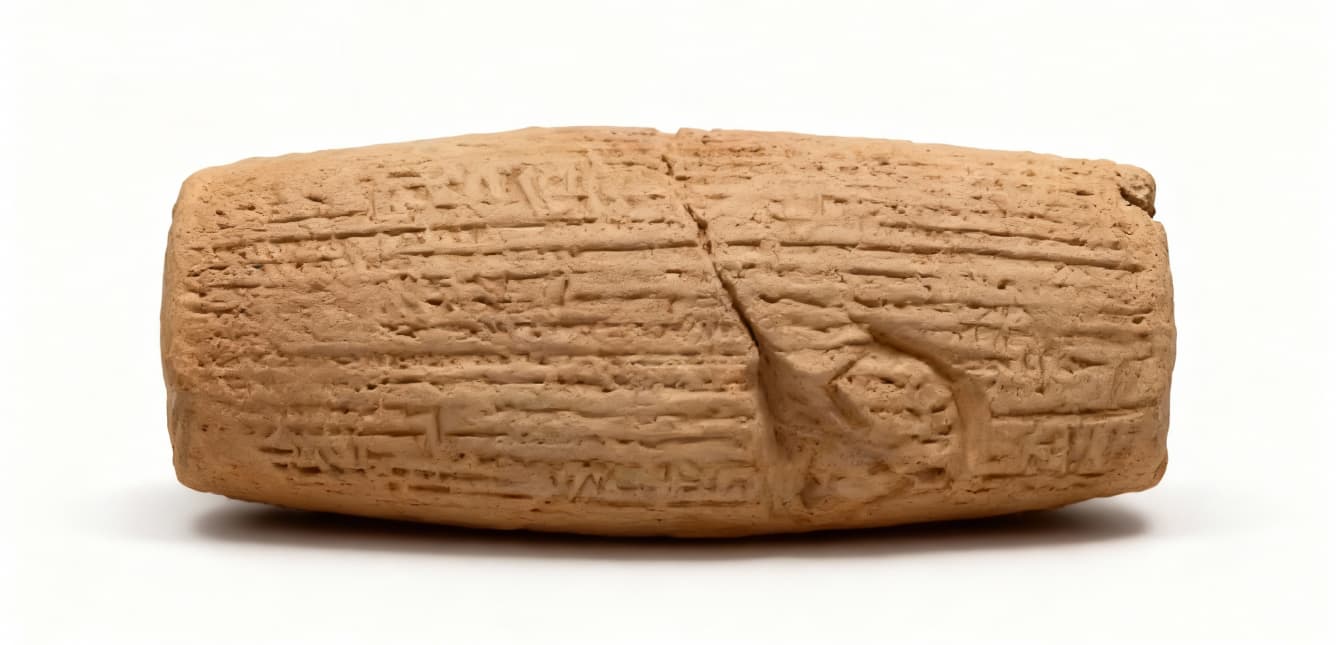
1. A Ground-breaking Resolution
At the 43rd session of the UNESCO General Conference held in the ancient city of Samarkand, the Charter attributed to Cyrus the Great was formally recognised as the world’s first written document of human rights. The resolution was adopted by consensus among Member States and identifies the Charter as a “foundational document in the history of human civilisation and the earliest written expression of principles such as freedom, justice, tolerance and respect for cultural diversity.”
In doing so, UNESCO has mandated itself to integrate the teachings and values embodied in the Cyrus Charter into its education, culture, and human-rights programmes worldwide.
2. Why This Matters
– A Civilisational Acknowledgement: This recognition places the Cyrus Charter into the global narrative of human rights, affirming the contribution of ancient Persian-Iranian civilisation to the values of freedom, justice and cultural plurality.
– A Bridge Between Past and Present: By formally linking an ancient text to modern mechanisms of educational and cultural cooperation, UNESCO is reinforcing the continuity of human rights traditions beyond the contemporary era.
– Soft-Power and Cultural Diplomacy: For Iran and Tajikistan, which jointly presented the resolution, this development is both a cultural-historical achievement and a diplomatic milestone within multilateral frameworks.
3. Key Features of the Resolution
According to the text of the resolution:
• It designates the Cyrus Charter as “a foundational document in the history of human civilisation” and the “earliest written expression of principles of freedom, justice, tolerance and respect for cultural diversity.”
• It tasks UNESCO to “integrate the principles outlined in the Cyrus Charter within the framework of social justice, intercultural dialogue, education for peace, and sustainable development”, specifically referencing SDG 16 (Peace, Justice and Strong Institutions) and SDG 17 (Partnerships for the Goals).
• It was submitted jointly by Iran and Tajikistan and supported by a broad coalition of states including Egypt, Iraq, Colombia, India, Nigeria, Algeria, Pakistan, Bangladesh, Kenya, Senegal, Armenia and Poland.
4. The Venue and Context: Samarkand and UNESCO
Hosting the General Conference in Samarkand (a first in over forty years outside Paris) adds symbolic weight to this resolution. The city itself—once a major hub on the Silk Road—underscores themes of cultural exchange, tolerance and dialogue.
The fact that this resolution was adopted in Samarkand further reinforces the message of bridging civilisations, respecting cultural diversity, and anchoring human rights in a deep historical context.
5. Implications for Education, Culture and Human Rights
The decision creates concrete pathways for UNESCO’s future work:
• Educational Curricula: The Charter’s themes—freedom, justice, respect for diversity—can be woven into UNESCO’s educational programmes globally, fostering historical awareness and human-rights literacy.
• Cultural Initiatives: Cultural heritage, intercultural dialogue, and even museum exhibitions may draw upon the Charter as a reference point, thereby elevating its profile and symbolism.
• Human Rights Frameworks: The Charter becomes a reference within UNESCO’s mandates on peace education, social inclusion and institutional justice, reaffirming ancient roots for modern frameworks.
• Global Narrative Shift: Recognising a ninth-century BCE document in modern human-rights discourse broadens the temporal and cultural horizons of human rights, showing that the values of freedom and dignity are not solely modern inventions but have antecedents in antiquity.
6. What Next? Challenges and Opportunities
Opportunities
• A chance to deepen cross-cultural understanding by showing how ancient Persian-Iranian civilisation contributed to universal values.
• An enhanced role for UNESCO to serve as a bridge between heritage, culture and rights—linking historical texts with contemporary frameworks.
• Potential for new educational resources, exhibitions, digital outreach and partnerships centred on the Cyrus Charter’s legacy.
Challenges
• Turning symbolic recognition into tangible programmes: Will UNESCO’s member states and commissions implement concrete curricula and cultural activities around the Charter?
• Ensuring inclusive representation: While the Charter is of Persian origin, its universal symbolism must be communicated in a way that resonates across cultures and regions.
• Measuring impact: The translation from recognition to measurable change (in education, cultural dialogue, human rights outcomes) remains to be seen.
7. Conclusion: A Global Message Rooted in History
With the unanimous adoption of the resolution at its 43rd General Conference in Samarkand, UNESCO has opened a new chapter in acknowledging human-rights heritage. By designating the Cyrus Charter as the first written human-rights document, it has linked antiquity with the present—reminding us that the ideals of freedom, justice and cultural pluralism have a deep and shared legacy.
For Iran and Tajikistan, the resolution is a moment of cultural diplomacy and civilisational affirmation; for the global community, it is a reaffirmation that our shared human future draws not only on modern institutions, but on ancient wisdom as well.
As the UNESCO Secretariat now proceeds to operationalise this decision—through education, culture and rights programmes—the world will watch how these lofty ideals translate into concrete learning, dialogue and institutional practice. In that sense, this recognition is a beginning rather than an end: the start of a global endeavour to embed the Cyrus Charter’s values in the lived experience of generations to come.
More Popular Blogs

Iran: One of the Oldest Civilizations and Empires in the World | 2025 Overview
Discover Iran’s 5,000-year history as one of the world’s oldest civilizations, from early states to powerful empires and lasting cultural traditions.
Irani World
03/15/2026
8 min read
The Persian Gulf: A Name Rooted in Millennia of History
Explore the historical and geographical significance of the Persian Gulf, its enduring name, and Iran's ancient civilization.
Irani World
05/09/2025
4 min read
From Esther to Contemporary Narratives: A Critical Re-Examination of a Distorted Historical Story
An analytical look at the Story of Esther in the Achaemenid era. Does historical evidence support the Purim narrative, or is it a literary drama? Explore the gap between .religious texts and historical facts

Irani News
03/07/2026
8 min read