Iran: One of the Oldest Civilizations and Empires in the World | 2025 Overview
Mar 15, 2026

Irani World

Introduction | A Comprehensive 2025 Analysis
In recent years, especially in 2025 historical discussions and digital publications, there has been renewed global interest in identifying the world’s “oldest countries.” However, from an academic and historical perspective, this concept requires careful clarification. The modern idea of a “country” or nation-state is relatively recent, generally emerging in its current form over the past few centuries.
For this reason, it is far more accurate to describe certain regions such as Iran not as the “oldest country,” but as one of the oldest continuous civilizations in the world, with a deeply rooted tradition of state formation, imperial governance, and cultural continuity spanning more than five millennia.
Iran’s historical trajectory from the earliest proto-states on the Iranian plateau to vast empires and enduring cultural identity places it firmly among the foundational centers of human civilization.
The Conceptual Problem: “Country” vs. “Civilization”
Before exploring Iran’s antiquity, it is essential to distinguish between two key terms:
- Country (Modern Nation-State): A political entity defined by fixed borders, sovereignty, and international recognition—primarily a post-17th-century concept.
- Civilization: A long-standing cultural, social, and political tradition that may persist across multiple political systems, dynasties, and territorial changes.
Many lists that attempt to rank the “oldest countries” conflate these terms, leading to misleading conclusions. Civilizations such as those in Iran, Egypt, Mesopotamia, and China evolved over thousands of years, often undergoing transformations rather than ceasing to exist.
Thus, Iran’s significance lies not in being a single continuous political entity, but in maintaining a continuous civilizational identity across different eras.
Early Foundations: The Elamite Civilization (c. 3200 BCE)
The roots of organized society in Iran can be traced back to the Elamite civilization, which emerged around 3200 BCE in the southwestern regions of the Iranian plateau.
Key features of Elamite society include:
- Early forms of urbanization
- Administrative and proto-bureaucratic systems
- Development of writing systems
- Complex religious and cultural structures
Elam was one of the earliest state-level societies in the ancient Near East and interacted extensively with neighboring Mesopotamian civilizations. This early foundation marks Iran as one of the primary cradles of organized human society.

The Rise of Iranian Peoples: The Medes
By the early first millennium BCE, Indo-Iranian groups had settled across the plateau. Among them, the Medes established one of the earliest Iranian kingdoms.
The Medes contributed to:
- Political consolidation of territories
- Formation of early centralized governance structures
- Cultural integration across diverse tribal groups
Though less documented than later empires, the Medes played a crucial transitional role between early civilizations and imperial state formation.
The Achaemenid Empire: A Turning Point in World History
The emergence of the Achaemenid Empire (c. 550–330 BCE) represents one of the most significant milestones in Iranian and global history.
Founded by Cyrus the Great, this empire became one of the largest the world had ever seen, stretching from South Asia to Southeastern Europe and North Africa.
Key Innovations:
1. Administrative Excellence
The empire was divided into satrapies (provinces), each governed locally but overseen centrally—an early example of efficient imperial administration.
2. Cultural Tolerance
The Achaemenids are often noted for their relatively progressive approach to governance, allowing subject peoples to maintain their customs and religions.
3. Infrastructure Development
The Royal Road and advanced communication systems enabled rapid information exchange across vast distances.
4. Early Concepts of Rights
The Cyrus Cylinder is often interpreted as an early statement of governance principles, sometimes associated—though debated—with proto-human rights ideas.
The Achaemenid period firmly established Iran as a center of imperial innovation and governance.

Continuity Through Transformation: Parthians and Sasanians
Following the fall of the Achaemenids, Iran did not disappear as a civilizational entity. Instead, it evolved through new political forms:
The Parthian Empire (247 BCE – 224 CE)
- Known for decentralized governance
- Maintained Iranian cultural identity
- Acted as a bridge between East and West (notably via trade routes)
The Sasanian Empire (224–651 CE)
- Re-established strong central authority
- Promoted art, architecture, and philosophy
- Revived and formalized Iranian cultural and religious traditions
The Sasanians, in particular, represent the last great pre-Islamic Iranian empire and had profound influence on later Islamic and global civilizations.
Cultural Continuity After Political Change
One of Iran’s most defining characteristics is its ability to maintain cultural continuity despite major political transformations, including:
- The Islamic conquest (7th century CE)
- The rise and fall of various dynasties
- External invasions and internal changes
Rather than erasing previous traditions, these transformations were often absorbed into a broader Iranian cultural framework.
Key Elements of Continuity:
- Language: Persian evolved but retained deep historical roots
- Literature: Works such as epic poetry preserved ancient narratives
- Customs and Traditions: Many pre-Islamic traditions continue today
- Identity: A strong sense of historical and cultural continuity persists
This continuity distinguishes Iran from many ancient civilizations that experienced more complete cultural disruption.
Iran in Comparison with Other Ancient Civilizations
Iran is often discussed alongside other ancient centers of civilization, including:
- Egypt
- Mesopotamia (modern Iraq)
- China
While each of these regions has deep historical roots, Iran stands out in several ways:
1. Long-Term Cultural Persistence
Some civilizations experienced periods of disappearance or fragmentation, whereas Iran maintained a continuous identity.
2. Repeated Imperial Formation
Iran saw multiple major empires arise in succession, each building upon earlier traditions.
3. Strategic Geographic Position
Situated at the crossroads of East and West, Iran played a key role in cultural exchange and trade.

The Role of Geography
Iran’s geography significantly contributed to its civilizational endurance:
- Mountain ranges provided natural defense
- Plateaus enabled agricultural and urban development
- Proximity to major regions facilitated trade and cultural exchange
This combination of protection and connectivity helped sustain long-term development.
Why Iran Is Considered One of the Oldest Civilizations
Based on historical, archaeological, and cultural evidence, Iran is widely recognized as one of the oldest continuous civilizations due to:
- Early emergence of organized states (Elam)
- Development of major empires (Achaemenid, Parthian, Sasanian)
- Continuous cultural and linguistic traditions
- Long-standing influence on global history
It is this combination not merely age that defines Iran’s significance.
Modern Interpretations and Misconceptions
In contemporary media and online content, simplified claims such as “the oldest country in the world” often appear. While appealing, these statements can be misleading.
A more accurate framing is:
Iran is one of the oldest continuous civilizations and imperial traditions in human history.
This phrasing aligns with academic standards and avoids conceptual inaccuracies.
Conclusion
Iran’s historical legacy is not defined by a single uninterrupted political system, but by something far more profound: a continuous civilizational presence spanning over 5,000 years.
From the earliest Elamite states to powerful empires and a resilient cultural identity, Iran has remained a central force in the development of human civilization.
Rather than being labeled the “oldest country,” Iran is best understood as:
- One of the oldest centers of civilization
- One of the earliest regions of organized governance
- One of the most enduring cultural traditions in history
This perspective not only provides greater historical accuracy but also strengthens the credibility and authority of any content discussing Iran’s past.
FAQ
1) Is Iran the oldest country in the world?
No. The concept of a modern country differs from ancient civilizations. Iran is more accurately described as one of the oldest continuous civilizations.
2) How far back does Iranian civilization go?
Iran’s historical roots extend to around 3200 BCE, with the emergence of the Elamite civilization.
3) What makes Iran unique among ancient civilizations?
Its combination of early state formation, repeated imperial success, and long-term cultural continuity.
4) Which empires are most important in Iranian history?
The Achaemenid, Parthian, and Sasanian empires are among the most influential.
5) Why is wording important for SEO and accuracy?
Using precise terms such as “civilization” instead of “country” improves credibility, aligns with academic consensus, and avoids misinformation penalties from search engines.
More Popular Blogs
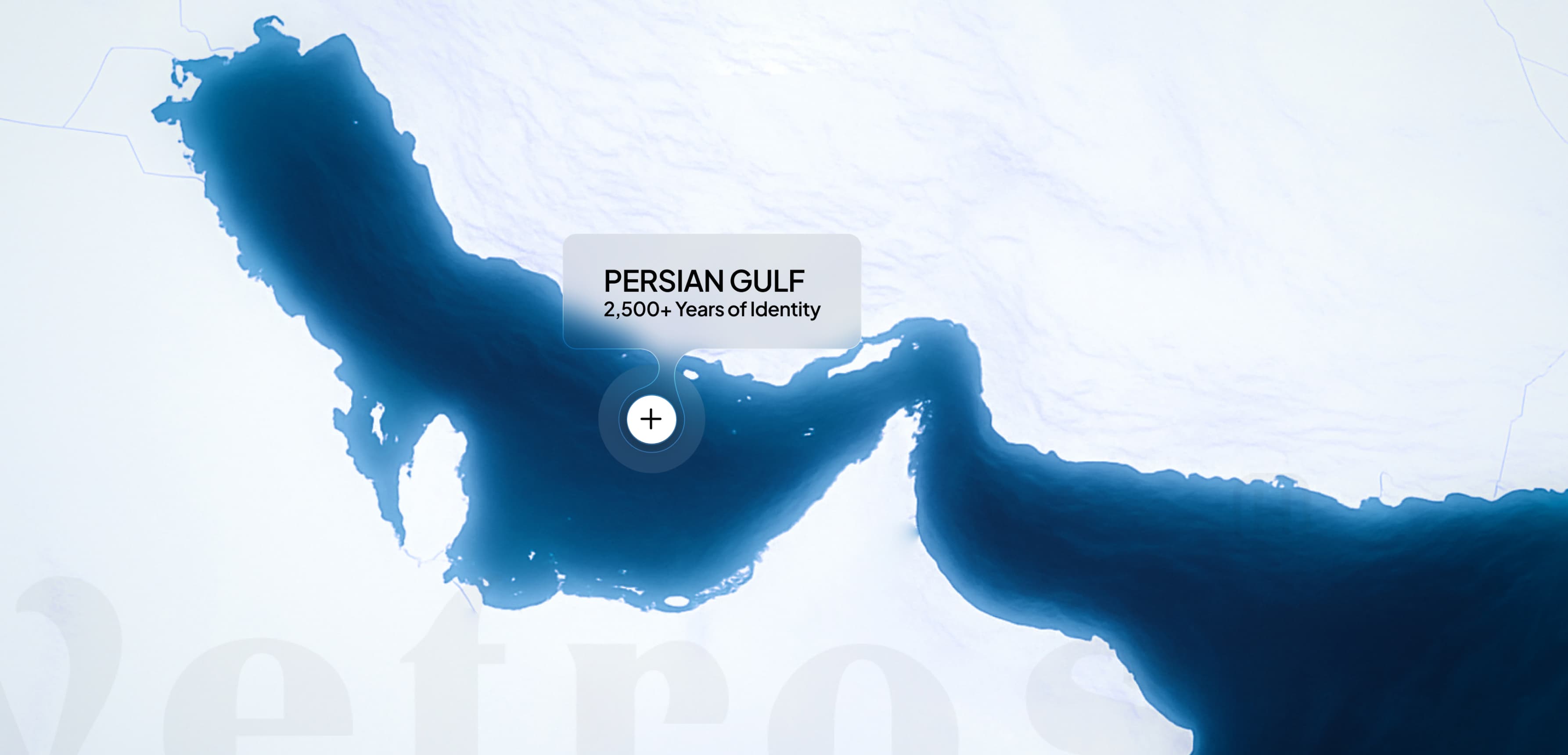
The Persian Gulf: A Name Rooted in Millennia of History
Explore the historical and geographical significance of the Persian Gulf, its enduring name, and Iran's ancient civilization.
Irani World
05/09/2025
4 min read
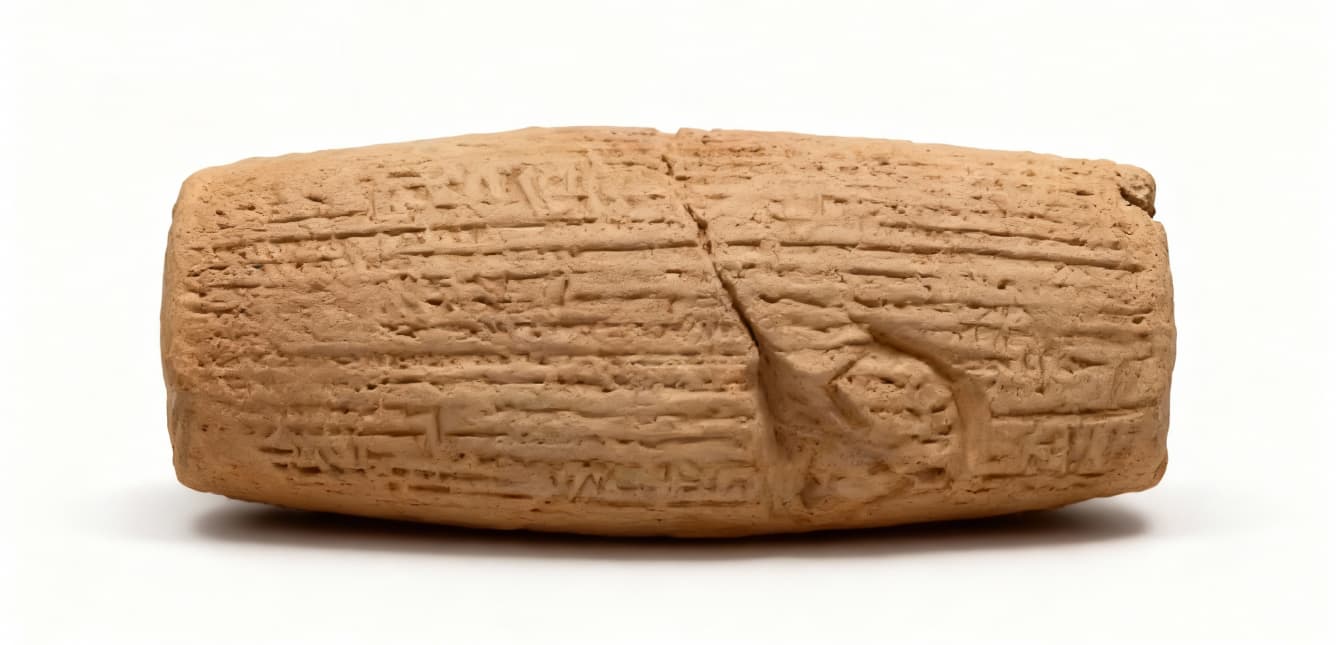
UNESCO Recognizes the Cyrus Charter as the World’s First Written Declaration of Human Rights
At the 43rd UNESCO General Conference in Samarkand, the Cyrus Charter—attributed to Cyrus the Great—was officially recognized as the world’s first written declaration of human rights, marking a historic moment in global cultural diplomacy led by Iran and Tajikistan.
Irani World
11/07/2025
6 min read
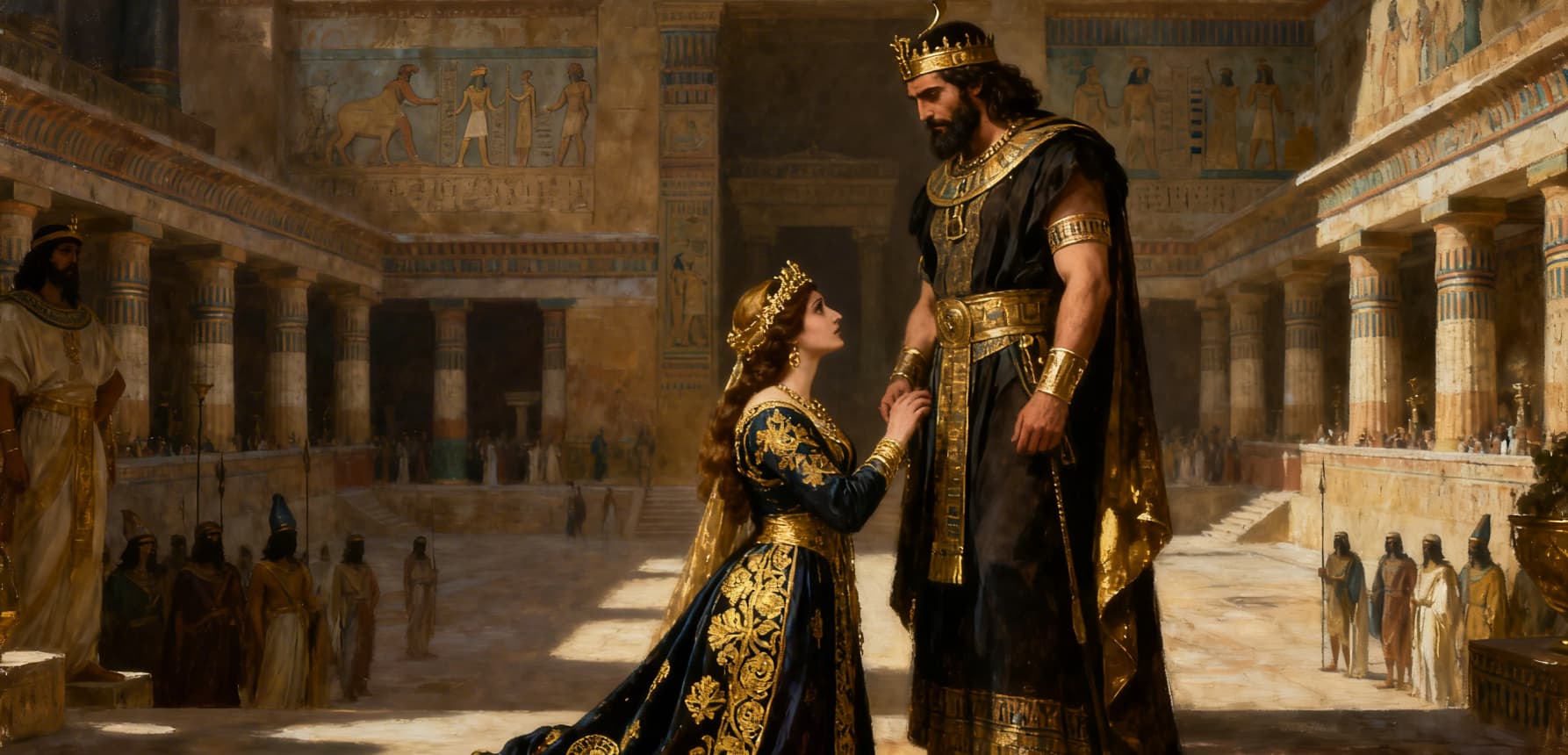
From Esther to Contemporary Narratives: A Critical Re-Examination of a Distorted Historical Story
An analytical look at the Story of Esther in the Achaemenid era. Does historical evidence support the Purim narrative, or is it a literary drama? Explore the gap between .religious texts and historical facts

Irani News
03/07/2026
8 min read