From Esther to Contemporary Narratives: A Critical Re-Examination of a Distorted Historical Story
Mar 07, 2026

Irani News
Introduction: When History Becomes a Field of Competing Narratives
In today’s world, history is not merely a collection of past events. It has become a field of competing narratives a space where religious, political, and cultural interpretations sometimes coexist and sometimes conflict, shaping the way societies understand the past. Many stories that have become embedded in the collective memory of nations over centuries were originally literary or identity-forming narratives that later came to be accepted as historical truth.
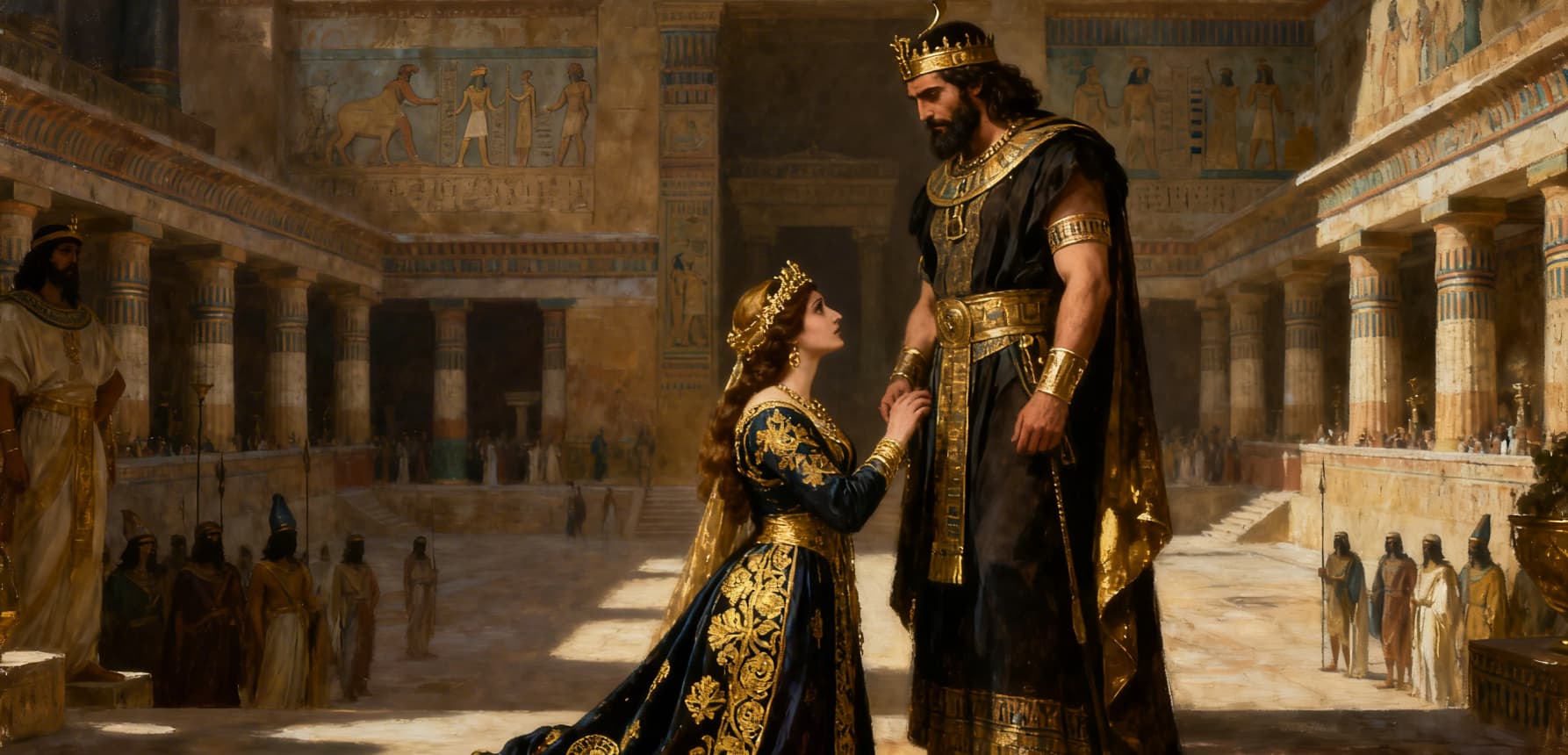
One of the most well-known examples of such narratives is the story of Esther during the reign of Xerxes, the Achaemenid king of ancient Persia. This story, recorded in Jewish religious texts (the Hebrew Bible), recounts a supposed conspiracy to destroy the Jewish population of the Achaemenid Empire and their eventual salvation through Esther’s intervention at the Persian royal court. For centuries, this narrative has formed part of Jewish religious and cultural tradition, and the festival of Purim itself is based on this story.
However, when this narrative is examined through the lens of modern historiography, important questions arise about the extent to which it corresponds with historical reality. Does the story of Esther reflect an actual event in the history of ancient Iran, or should it be understood within the framework of symbolic and literary storytelling? In order to answer this question, it is necessary both to examine historical sources independent of religious texts and to analyze the internal structure of the narrative itself.
In this context, the Iranians Global Platform has announced that within its mini-platforms “Iranian News” and “Iranian History,” it has created a special section dedicated to examining and verifying historical narratives related to what is sometimes referred to in contemporary discourse as “Iraniankilling.” This initiative aims to gather historical documentation, analyze competing narratives, and provide global awareness on the subject. The platform’s research team intends to produce analytical and documented content in order to present a more precise picture of historical developments and the narratives that have formed around Iran and the Iranian people.
The Achaemenid Empire and the Management of Cultural Diversity
To understand the historical background of the story of Esther, it is first necessary to examine the political and cultural structure of the Achaemenid Empire. Founded in the sixth century BCE, this empire was one of the earliest large multi-ethnic states in world history. Its territory extended from Central Asia to Egypt and from India to the Mediterranean coast, encompassing populations with diverse languages, cultures, and religious traditions.
Administering such a vast territory without a flexible approach toward cultural diversity would have been practically impossible. For this reason, many historians argue that the Achaemenid rulers relied less on imposing a single cultural system and more on managing diversity within a unified imperial structure. In this system, the central government focused primarily on administrative, fiscal, and military affairs, while many communities retained the ability to preserve their own religious traditions and social customs.
Compared with many ancient empires that relied heavily on cultural suppression or forced population displacement, this model represented a different approach to imperial governance. For this reason, many historians regard the Achaemenid Empire as one of the earliest examples of a multicultural political structure in the ancient world.
Cyrus the Great and the Formation of Achaemenid Policy Toward Peoples and Religions
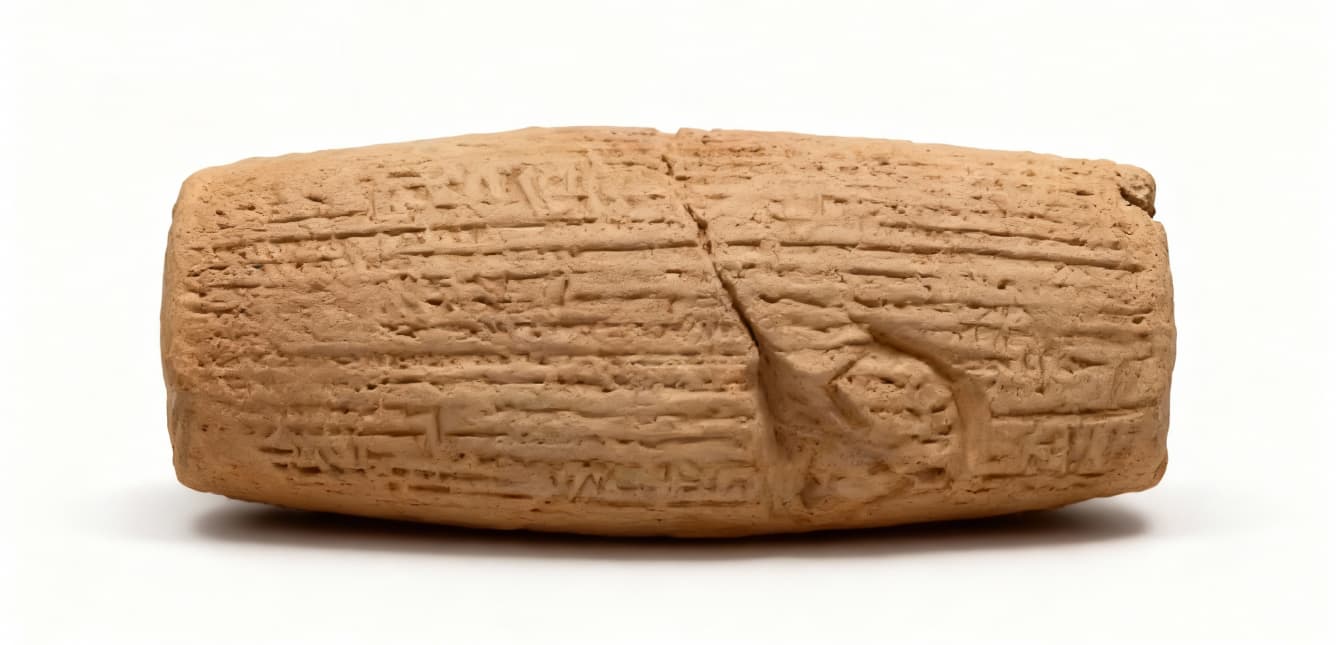
One of the most important pieces of evidence for this approach is the policy attributed to Cyrus the Great. After conquering Babylon, Cyrus issued a decree allowing many exiled peoples to return to their homelands and rebuild their religious temples and institutions. This policy is recorded not only in Babylonian sources but is also reflected in Jewish religious texts.
Such policies suggest that Cyrus and his successors sought stability not through cultural suppression but through cooperation with local communities. Various groups functioned within the administrative structure of the empire while maintaining a degree of cultural autonomy. This approach enabled the imperial administration to maintain relative loyalty among different populations and to reduce the likelihood of widespread rebellions.
Within such a framework, the image of an Achaemenid government systematically seeking to destroy a particular ethnic group appears inconsistent with what historical sources reveal about the practical policies of the empire. This contrast between historical evidence and certain narrative traditions is one of the reasons modern scholars have begun to re-examine the story of Esther more critically.

What Do Independent Historical Sources Indicate?
One of the first steps in evaluating any historical narrative is comparing it with independent sources. In the case of the Esther story, these include Achaemenid royal inscriptions, Babylonian administrative documents, and the writings of Greek historians.
None of the known Achaemenid inscriptions from Darius the Great to Xerxes and Artaxerxes mention any organized policy aimed at persecuting or exterminating Jewish communities. These inscriptions generally focus on royal construction projects, administrative matters, and the political legitimacy of the kings. The absence of any reference to such a significant event has raised important questions for many historians.
Economic and administrative documents preserved from Babylon also indicate that various communities, including Jewish groups, continued to participate in the economic life of the empire. These documents suggest patterns of coexistence and commercial interaction among different groups rather than evidence of widespread ethnic hostility.
The Image of Xerxes in Greek Historical Sources
One of the most important sources for understanding the Achaemenid court is the writings of Greek historians such as Herodotus. Although these sources themselves contain cultural biases, they nevertheless provide valuable information about the political structure of the empire.
In these accounts, Xerxes is primarily remembered as a military king who led major campaigns against Greece. Herodotus devotes extensive attention to the Persian invasion of Greece, the organization of the royal court, and rivalries among aristocratic factions. Yet even in these sources, there is no reference to a plan for the empire-wide destruction of Jewish populations.
This historical silence has led some scholars to suggest that the Esther story may represent a later literary construction rather than a direct reflection of historical events.
How Does the Crisis Begin in the Esther Narrative?
Interestingly, even within the story of Esther itself, the crisis does not originate with the king. Instead, the narrative attributes the conflict to a court official named Haman, who is portrayed as one of the highest-ranking figures in the royal administration.
According to the narrative, the crisis begins when Mordechai, a Jewish figure, refuses to bow before Haman. This act deeply angers him. In response, Haman decides not merely to punish Mordechai but to seek the destruction of the entire Jewish population within the empire.
Haman then convinces the king that there exists a group within the empire that does not obey royal laws and therefore should be eliminated. The king reportedly signs the decree without thorough investigation, placing Jewish communities throughout the empire in danger.
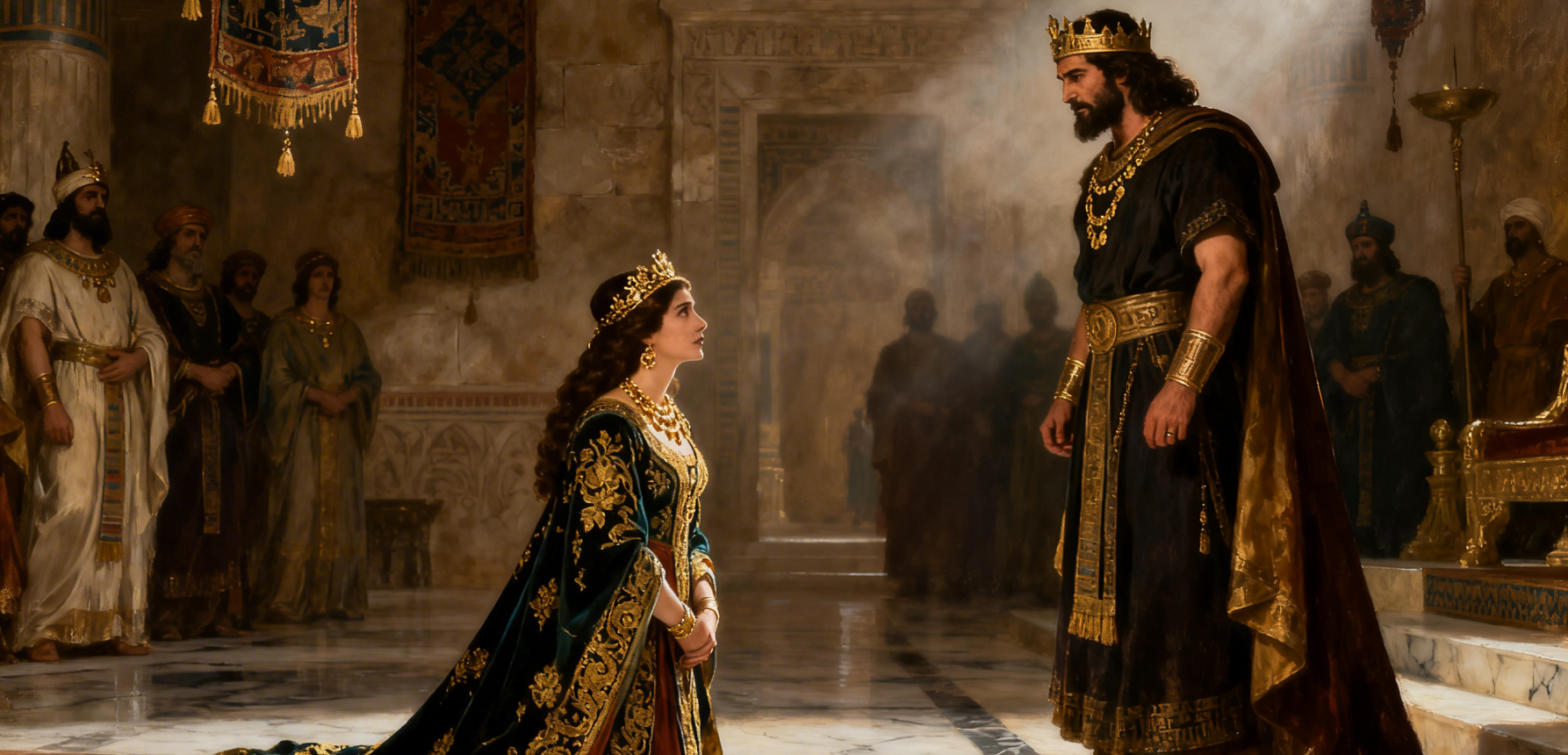
However, as the story unfolds, Esther who is described as the Jewish wife of the king intervenes, exposing the conspiracy. The king then reverses the decree. Even within the religious narrative, therefore, Xerxes is not portrayed as the direct architect of persecution but rather as a monarch caught within a court intrigue.

Could a Smaller Conflict Have Occurred?
Although the large-scale massacre described in the Book of Esther lacks historical confirmation, it is possible that localized tensions or rivalries existed among various communities within the Achaemenid court. Such dynamics were common in large imperial administrations where different ethnic and political groups competed for influence.
Jewish communities at that time were often cohesive and sometimes held positions of influence figures such as Daniel, Nehemiah, and Ezra are frequently cited in this context. Such circumstances could have generated occasional sensitivities or rivalries with other court factions.
Haman’s Extreme Reaction: A Logical Inconsistency in the Narrative
One of the aspects that has drawn the attention of many researchers including members of our own research team is the extreme nature of Haman’s reaction in the narrative. According to the story, the entire crisis originates from the refusal of a single individual to show him respect. Yet the response attributed to him is not the punishment of that individual but the planned destruction of an entire people across the empire.
From the perspective of political and administrative logic, such a reaction appears highly disproportionate. The Achaemenid Empire possessed a complex bureaucratic system, and governing such a vast territory required experienced administrators and advisers. Within such a structure, it seems unlikely that a high-ranking official could persuade the king to issue an empire-wide decree of extermination based solely on personal resentment.
For this reason, some scholars interpret Haman’s behavior not as a reflection of historical reality but as a dramatic element within the literary structure of the narrative.
Haman: Historical Figure or Literary Symbol?
In the Book of Esther, Haman is described as an “Agagite,” linking him symbolically to the Amalekites, who in Jewish tradition are regarded as ancient enemies of Israel. In many religious texts, Amalek is portrayed as the embodiment of enduring hostility and evil.
Because of this symbolic association, some scholars argue that Haman may function less as a historical individual and more as a literary representation of an archetypal enemy. Such symbolic characters were common in ancient religious literature and were often used to convey moral or theological themes.
Modern Scholarly Interpretations of the Esther Narrative
Many scholars of the Hebrew Bible and the history of the ancient Near East believe that the Book of Esther may have been written centuries after the events it describes. Some place its composition in the post-exilic period, while others associate it with the Hellenistic era, when Jewish communities were dispersed throughout large imperial systems.
In such circumstances, narratives emphasizing miraculous deliverance and triumph over enemies could serve an important role in strengthening collective identity. Some scholars also suggest that the story of Esther may have been developed to provide an origin story for the festival of Purim, which may have existed in earlier forms before the narrative itself was composed.
Conclusion: The Boundary Between Narrative and History
Examining the story of Esther through the lens of modern historiography reveals a significant gap between religious narrative and historical evidence. While the story has played an important role in Jewish cultural and religious tradition, independent historical sources provide no clear confirmation of events on the scale described in the narrative.
Furthermore, structural analysis of the story suggests that many of its elements from the character of Haman to the development of the crisis align more closely with the logic of literary drama than with that of a precise historical record. For this reason, many contemporary scholars interpret the Book of Esther not as a historical document but as a literary and identity-forming narrative shaped by the particular historical circumstances of Jewish communities.
Ultimately, studying such narratives reminds us that history requires critical reading and comparison of multiple sources. Only through such an approach can we distinguish between cultural narratives and historical realities, allowing for a more accurate understanding of the past.
From the perspective of modern history, there is no evidence that the government of Xerxes or the Achaemenid Empire intended to destroy Jewish populations. On the contrary, historical evidence suggests that Jewish communities lived under the protection of the empire. Within the Esther narrative itself, the conflict is not presented as a confrontation between Iran and the Jewish people but rather as a dispute between a zealous official (Haman) and a Jewish minority group, with the king ultimately siding with that minority. The story therefore appears more as a depiction of court intrigue and the dangers of conspiracy than as a historical account of ethnic conflict.
In simple terms, the Achaemenid state did not have a systemic conflict with Jewish communities. The conflict in the Esther story appears to be a personal and court-based dispute rather than a national or ethnic struggle.
Some interpretations of the narrative have suggested that elements of resentment or suspicion toward Persian power can be discerned within the story itself. In this view, certain traditions may have portrayed Persia as a political obstacle to particular ambitions or aspirations. While the Esther narrative frames events as a conspiracy against Jewish communities, deeper layers of interpretation may reflect broader historical rivalries and tensions between political powers in the ancient world.
More Popular Blogs

Iran: One of the Oldest Civilizations and Empires in the World | 2025 Overview
Discover Iran’s 5,000-year history as one of the world’s oldest civilizations, from early states to powerful empires and lasting cultural traditions.

Irani World
03/15/2026
8 min read

The Persian Gulf: A Name Rooted in Millennia of History
Explore the historical and geographical significance of the Persian Gulf, its enduring name, and Iran's ancient civilization.
Irani World
05/09/2025
4 min read
UNESCO Recognizes the Cyrus Charter as the World’s First Written Declaration of Human Rights
At the 43rd UNESCO General Conference in Samarkand, the Cyrus Charter—attributed to Cyrus the Great—was officially recognized as the world’s first written declaration of human rights, marking a historic moment in global cultural diplomacy led by Iran and Tajikistan.
Irani World
11/07/2025
6 min read