Iranians: A Timeless Culture, Warm Hearts, and an Unbreak
Nov 08, 2025

WPS

Culture of Social Interaction Among Iranians: A Story of Warmth, Authenticity, and Solidarity
When speaking about Iranian culture, the first qualities that come to mind for many people around the world are the warmth, kindness, and hospitality of Iranians. Throughout history, Iranians have been a people who seize every opportunity to gather together whether for conversation, celebration, or even collective mourning.
For them, social gatherings are not merely a habit; they are an essential part of the country’s social identity and shared community spirit.
Starting the Year with Two Weeks of Celebration: A Tradition Rooted in Ancient Culture
Iranians begin their new year with a festival that lasts more than two weeks. Nowruz, one of the oldest celebrations in the world, is far more than a holiday.
It represents renewal, purity, friendship, peace, and a fresh beginning.
This festival has been passed down from ancient Iranian traditions and is still celebrated after thousands of years with the same respect and enthusiasm.
Festivals and Rituals: Collective Joy and Shared Sorrow
Throughout the year, Iranians gather for various cultural and religious occasions
from commemorating the birth and memory of historical and mythical figures to national and spiritual ceremonies.
They celebrate happiness together, and they experience grief together as well.
This unity in both joy and hardship is one of the most beautiful and enduring social characteristics of Iranian culture.
A Noble Nation Never Behaving Like Their Invaders
Iran has been invaded many times throughout history by Greeks, Arabs, Mongols, and others.
Yet many historians note that despite facing repeated aggression, Iranians never adopted the behavior of their invaders.
Their character, shaped by dignity and kindness, has always prioritized respect, courtesy, and humanity in interactions with other nations.
This authenticity has revealed the true identity of the Iranian people for centuries.
Yalda: The First Night of Winter and a Celebration Full of Color
One of the most captivating Iranian celebrations is Yalda Night, the longest night of the year.
Iranians celebrate it with bright red fruits, nuts, storytelling, poetry, and family gatherings.
Interestingly, many Iranians quietly say among themselves:
“Perhaps Christmas is a distant reflection of our Yalda celebration.”
Both share similar colors, symbols, and the theme of light overcoming darkness.
Of course, they say this softly never wishing to appear boastful or make exaggerated claims.
Nowruz: Why the New Year Should Begin in Spring
Iranians believe the new year should begin when nature comes back to life, when the weather softens and the world awakens from winter’s long sleep.
That’s why they say:
“It makes little sense for the new year to begin in the middle of winter, when everything is cold and dark.”
For Iranians, Nowruz is not just a date on the calendar it is a philosophy of life.
Future Research Uncovering the Untold Stories
For our community, it is fascinating to explore why many truths about Iranian culture and history remain relatively unknown on the global stage.
Is it because Iranians tend to be modest, gentle, and not eager to boast?
Or is their culture so deep and layered that it simply requires more research and global introduction?
In the future, we look forward to studying these questions and bringing more of these hidden cultural insights to light.
Iranian Etiquette, Generosity, and the Culture of Giving
If we were to summarize Iranian culture in a single word, “generosity” might be the most accurate choice. This spirit can be seen in the smallest daily interactions and the grandest traditions. Even during difficult economic periods, Iranians never abandon the customs inherited from their ancestors: being together, giving to one another, and spreading joy in their communities.
Nowruz: The Peak of Gift-Giving and Elegant Courtesy
During Nowruz, the great celebration of the new year, Iranians follow an ancient tradition:
they give crisp new banknotes to the younger members of the family and offer valuable gifts to relatives and friends.
These gifts are more than material items they symbolize love, respect, goodwill, and wishes for prosperity in the coming year.
Nowruz is a time when homes fill with guests, tables overflow with festive dishes, and everyone tries—through even the smallest gesture to bring happiness to others.
These customs, preserved for thousands of years, remain a central part of Iran’s social identity.
Cooking for Others: A Tradition Never Forgotten
In Iranian culture, preparing food for others is an act deeply tied to affection and community.
Whether it is a celebration, a religious ceremony, a memorial gathering, or a moment of mourning, food is always shared.
It doesn’t matter if the occasion is a wedding, a cultural festival, or the remembrance of a loved one there is always a pot on the fire and a warm meal offered with sincerity.
For Iranians, food is more than nourishment; it is a bond between hearts.
Generosity in Hard Times: A Reflection of Iranian Character
Despite economic challenges, sanctions, and ineffective governance in some sectors, the Iranian tradition of helping others has never faded.
In fact, during difficult times, grassroots and volunteer charities have become even stronger.
Across cities and villages, countless small and large groups support low-income families, children in need, the sick, and the elderly without expecting anything in return.
What is even more remarkable is that many people who are financially struggling still share part of what they have with those in even greater need.
Such behavior can only come from a noble, heartfelt, and deeply-rooted cultural generosity.
Introducing Charities in the Future
Inspired by this beautiful culture, our platform plans to introduce reliable, community-based charities in the future, so more people can participate in meaningful acts of kindness.
Supporting these groups is not only a way to help those in need it is a way to honor the spirit of compassion and humanity that defines Iranian society.
The Silent Unity of Iranians Under Pressure
One of the defining cultural traits of Iranians repeatedly seen throughout history is their ability to unite during difficult moments.
Even when disagreements or internal challenges exist, Iranians show a remarkable tendency to stand together when faced with external pressure or overwhelming circumstances.
This unspoken solidarity is rooted in thousands of years of shared experience, a turbulent history, and a national spirit that has always fought for survival, peace, and justice.
Two Challenging Centuries: Loss, Pressure, and a Shared Memory
Iranians believe that the last two centuries have been among the most challenging periods in their history marked by painful territorial losses and increasing interference from foreign powers.
These collective experiences have created a shared awareness, a quiet sentiment that says:
“This land has endured many hardships, yet it still stands.”
This historical consciousness strengthens their unity.
Even when they struggle with internal issues, external pressure often brings them closer together.
Perhaps this is one of the reasons a nation located at the crossroads of civilizations constantly facing invasions and upheavals has managed to preserve its identity so profoundly.
A Search for Justice, Identity, and Survival
In today’s complex environment, many Iranians feel the need to assert their cultural identity and protect their place in the world.
This expression appears in various forms: cultural activities, historical research, content creation, and even simple day-to-day conversations.
They want the world to hear their own narrative one that has often remained in the shadows of misunderstanding, conflict, or misrepresentation.
Cyrus the Great: A Symbol of Their Hope for Justice
Among quiet conversations, a recurring whisper can be heard one about the Cyrus Cylinder, an ancient artifact many view as an early symbol of human rights, justice, and humane governance.
With a soft, bittersweet smile, Iranians often ask each other:
“Where is the artifact that was born from this very land?”
This question is not political, nor is it a claim of superiority.
Instead, it reflects a deeper emotional longing a sense that a part of their spiritual heritage lies far from its roots.
For many Iranians, this symbolizes their silent outcry against historical injustices and the pressures they continue to face.
Silent Unity: A Strength That Cannot Be Ignored
These whispers, concerns, and emotional ties to the past ultimately highlight one message:
Despite all pressures and challenges, Iranians remain hopeful, united, and committed to their human values.
Their unity may not always be loud or visible, but in critical moments, it emerges like a powerful undercurrent steady, resilient, and impossible to overlook.
More Popular Blogs
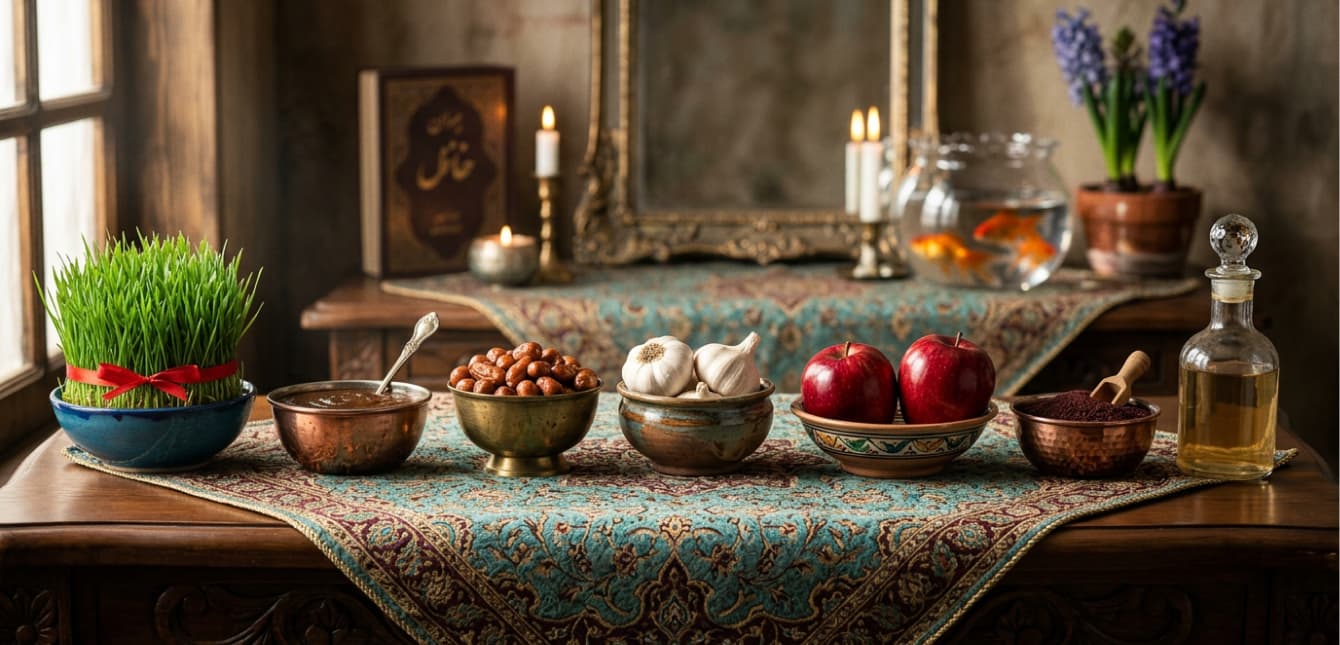
Haft-Seen: Symbolic Iranian New Year Table & Cultural Significance
Discover Haft-Seen, the traditional Iranian New Year table. Learn the meaning of each item, cultural symbolism, and why it matters today.
Irani News
03/21/2026
7 min read
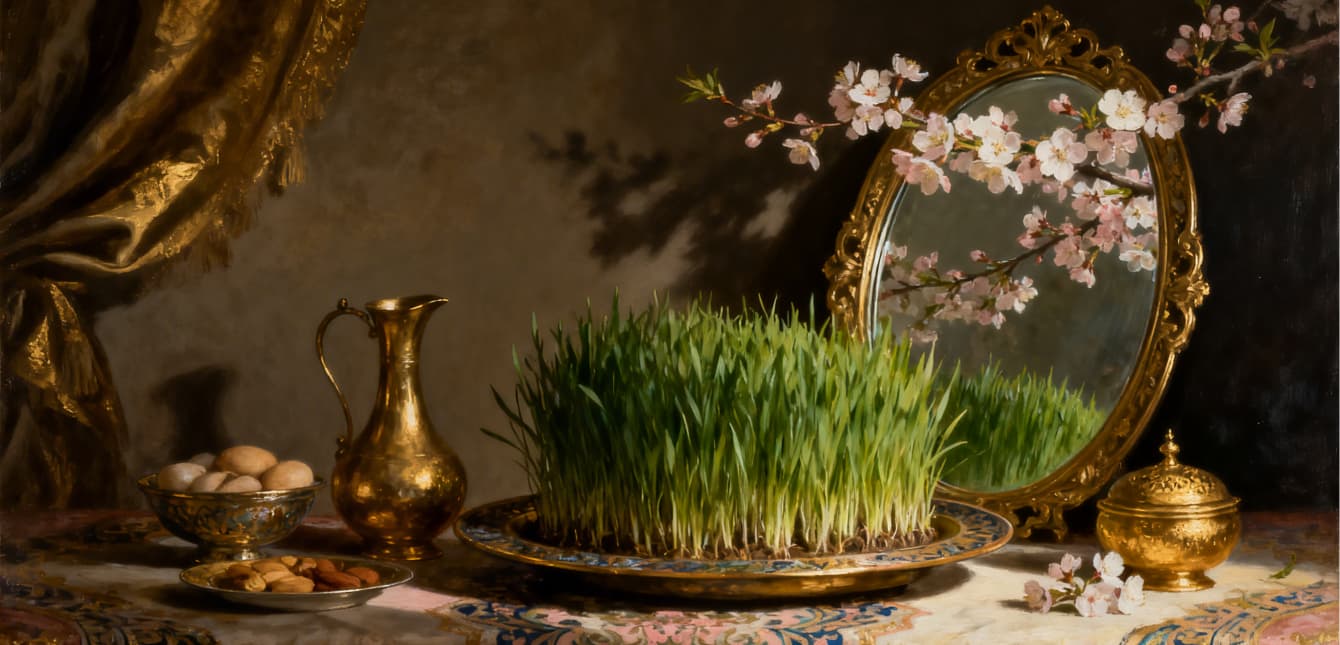
Nowruz 1405 in Iran | Full Analysis of Society, Economy, and Hope
A comprehensive analysis of Nowruz 1405 in Iran, covering ancient roots, current challenges, resistance economy, and public hope for the future.
Irani News
03/20/2026
8 min read
Category
The Most Active

Riv Design
Company