Nowruz 1405 in Iran | Full Analysis of Society, Economy, and Hope
Mar 20, 2026
Irani News
Nowruz 1405 in Iran: From Ancient Roots to Resilience and Hope for the Future
Introduction: Nowruz Beyond a Celebration
Nowruz is not merely a change in the calendar for Iranians; it is a reflection of a profound worldview in which life, nature, and humanity exist within a continuous cycle of renewal. This ancient festival, which coincides with the arrival of spring, has maintained its significance over centuries and has become a symbol of identity, resilience, and hope. In 1405, as Iran faces complex domestic and international challenges, Nowruz carries a deeper meaning than ever before, functioning as a source of social strength and emotional stability. In this article, we begin by exploring the historical and philosophical roots of Nowruz, then examine the unique context of this year, followed by an analysis of public morale, the concept of a resistance economy, internal economic challenges, and ultimately, hope for the future—elements that together present a comprehensive picture of contemporary Iranian society.
Chapter One: The Ancient Roots of Nowruz and the Philosophy of Its Endurance
The Origins of Nowruz
Nowruz is one of the oldest known celebrations in the world, with roots in the ancient civilisations of the Iranian plateau dating back over 3,000 years. It was formally celebrated during the Achaemenid era, where historical evidence suggests it served as a unifying occasion among diverse peoples within the empire. Over time, despite political and cultural transformations, Nowruz not only endured but evolved, integrating elements from various traditions while preserving its core essence. Today, it is celebrated across multiple countries, reflecting its deep cultural significance and historical continuity.
The Philosophy of Renewal and Balance
At its core, Nowruz embodies the concept of balance and renewal. It is celebrated at the vernal equinox, the moment when day and night are equal, symbolising harmony in nature. This natural equilibrium is extended metaphorically to human life, encouraging reflection, transformation, and new beginnings. Nowruz reminds us that periods of hardship are followed by opportunities for renewal, a message that has allowed it to remain relevant even in the most challenging times.
Traditions and Their Deeper Meanings
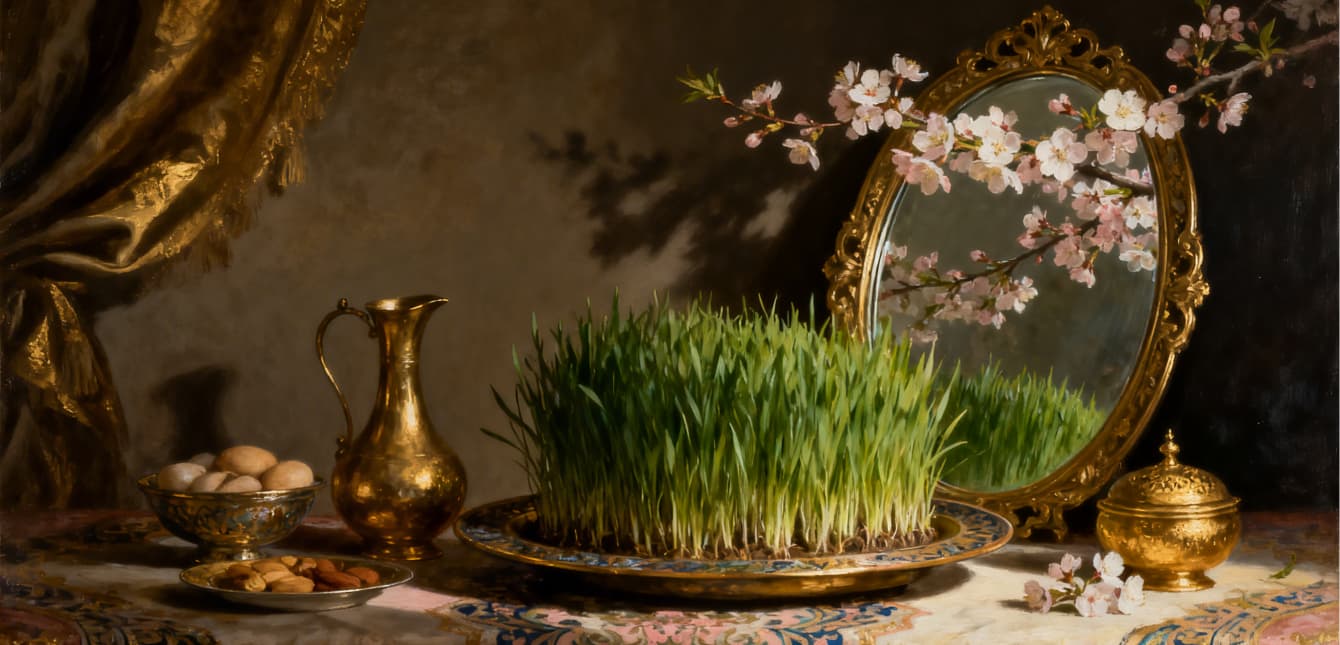
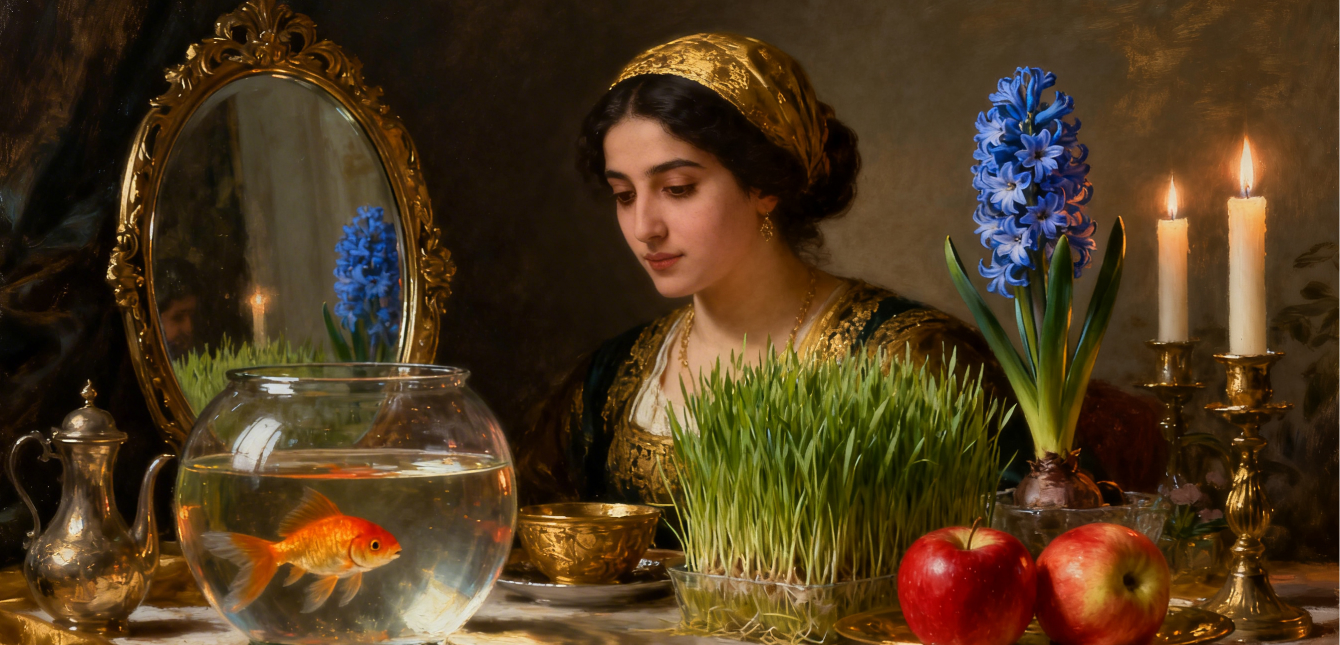
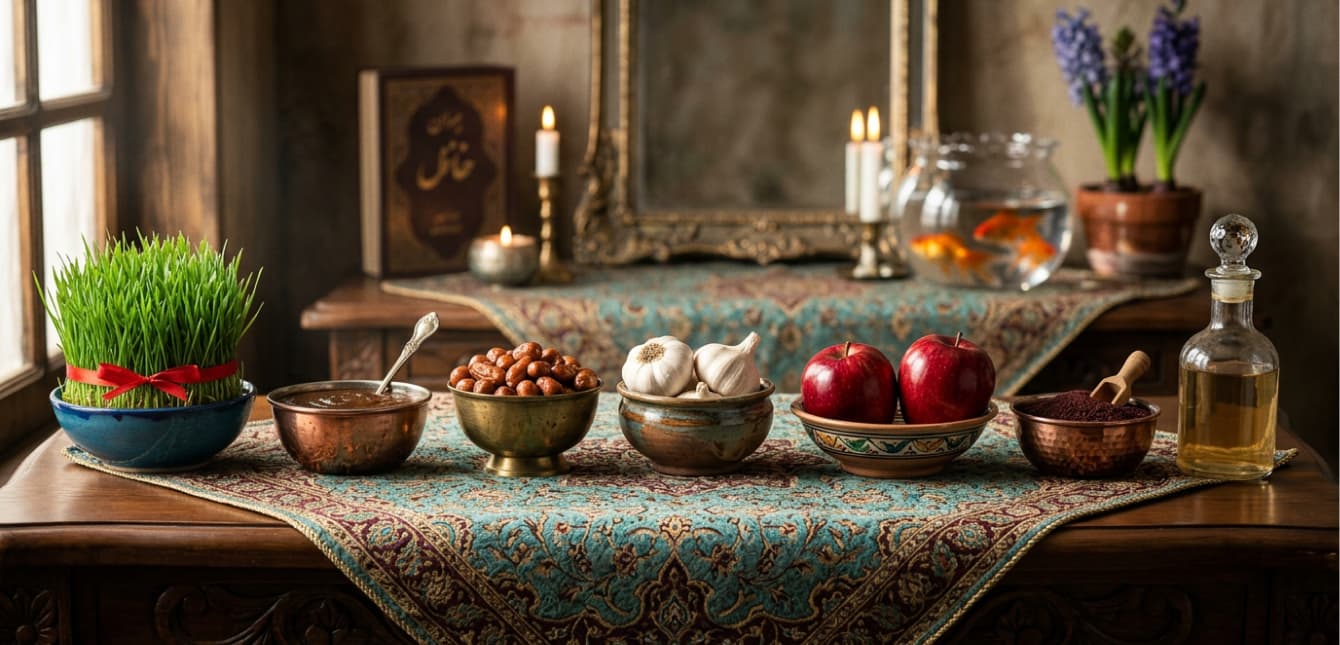
Nowruz traditions carry layered symbolic meanings. The practice of spring cleaning represents purification and letting go of the past, the Haft-Seen table symbolises prosperity, health, and growth, while visiting family and friends reinforces social bonds. Even Sizdah Bedar, often perceived as a simple outdoor gathering, reflects a reconnection with nature. Altogether, these traditions form a comprehensive cultural system that gives structure and meaning to life, making Nowruz far more than a ceremonial event.
Haft-Seen table
Chapter Two: Nowruz 1405 Amid a Complex Reality
Iran’s Current Conditions
Nowruz 1405 arrives at a time when Iran is facing multifaceted pressures that many describe as an “unjust conflict” in a broad sense one that extends beyond military dimensions to include economic, political, and media-related pressures. These conditions have significantly impacted daily life, increasing financial strain and uncertainty about the future. Rising living costs, economic restrictions, and psychological pressures have all contributed to shaping the current social atmosphere.
The Impact on Nowruz Celebrations
Despite these challenges, Nowruz remains firmly rooted in people’s lives. While the scale and form of celebrations may have changed for some, the essence of the tradition persists. Families continue to gather, homes are prepared, and Haft-Seen tables are set, even if more modestly. In this context, Nowruz serves as a psychological anchor, offering moments of relief and continuity amid uncertainty. Celebrating Nowruz under such circumstances can be seen as a form of cultural resilience an act of preserving identity and meaning through continuity.
Public Morale as a Defining Factor
One of the most notable characteristics of Iranian society today is its ability to maintain morale. Despite ongoing difficulties, people strive to move forward with their lives. Nowruz plays a crucial role in reinforcing this resilience by fostering a sense of unity, belonging, and emotional renewal.
Hafez and Persian New Year: Divan Reading and Traditional Nowruz Rituals
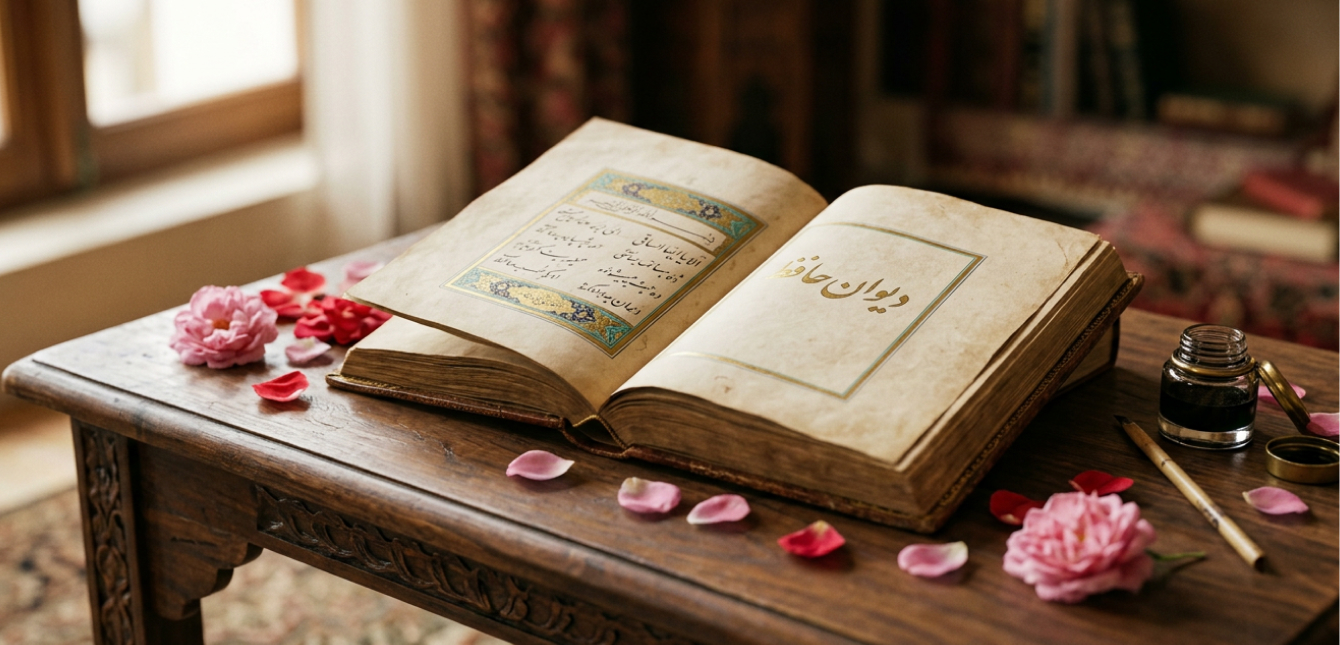
Hafez of Shiraz, full name Khwāja Shams-ud-Dīn Muḥammad Hāfez-e Shīrāzī, is one of the greatest poets in Iranian history and Persian literature. He received the title “Hafez”
for memorizing the entire Quran in his youth, which later became a symbol of knowledge and poetic mastery. His poems often explore love, spirituality, truth, and the philosophy of life, and his Divan has been read and admired by Iranians for centuries.
One of Iran’s cultural traditions is reading Hafez’s Divan at the moment of the New Year’s arrival and taking a Hafez fortune. This practice reflects the importance of poetry and literary wisdom in daily life and the celebration of Nowruz. Even today, Iranian families open Hafez’s Divan at the exact moment of the solar New Year to seek guidance and hope for the year ahead. This ceremony blends culture, literature, and Nowruz rituals, keeping alive the spirit of celebration, renewal, and optimism in people’s hearts.
Chapter Three: The Resistance Economy as a Lived Experience
Understanding the Resistance Economy
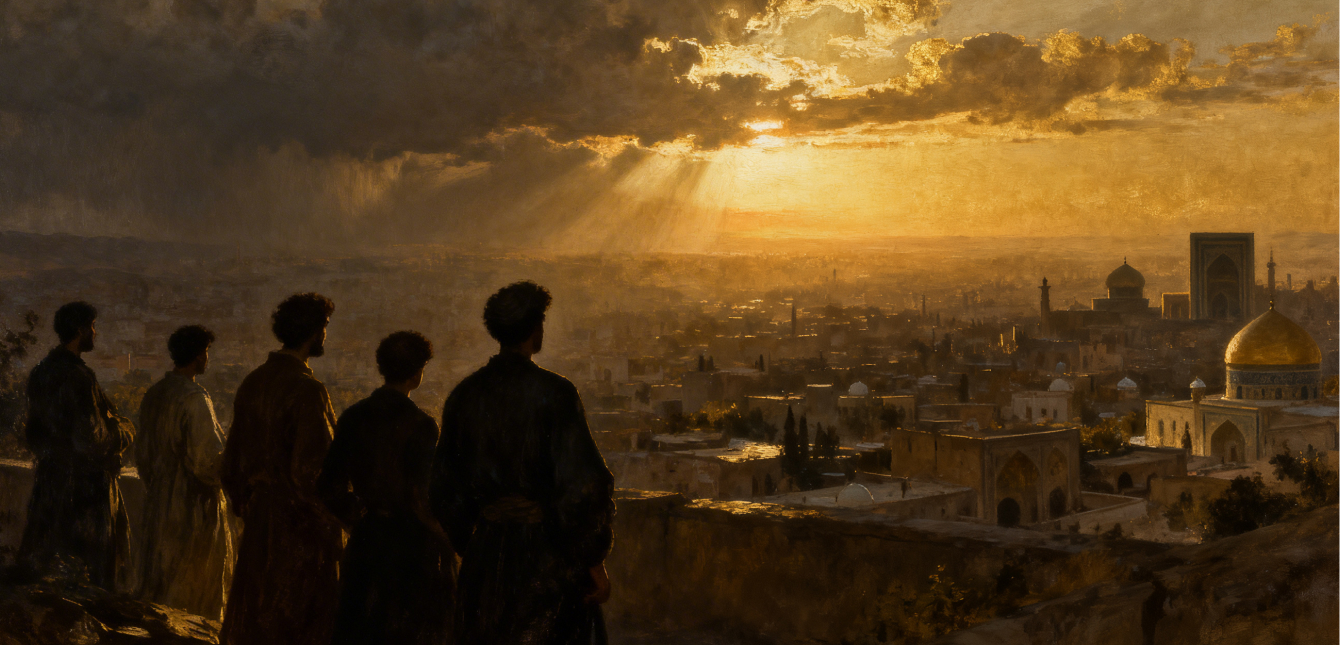
In recent years, the concept of a “resistance economy” has gained prominence in Iran. At its core, it refers to building an economic system capable of withstanding external pressures while maximising internal capacities. While often discussed at the policy level, for many Iranians, this concept has become a lived reality rather than an abstract idea.
The Role of People in Economic Adaptation
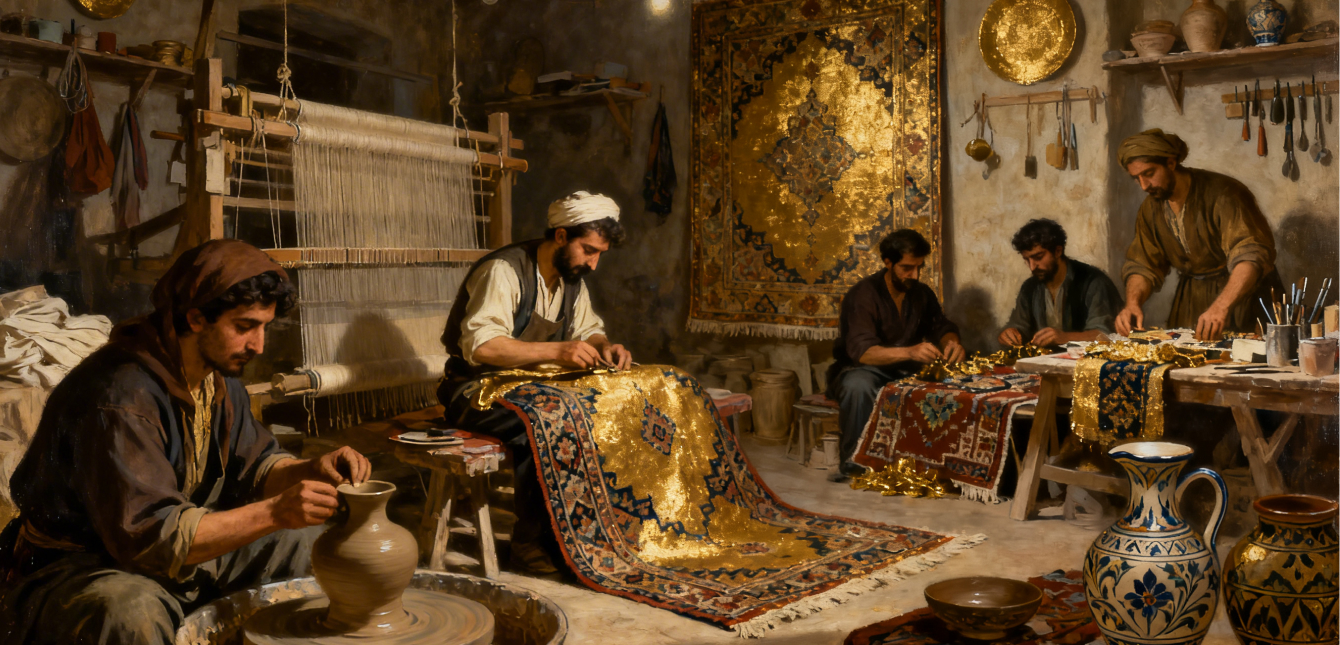
Iranian society has demonstrated a significant capacity for adaptation. Households have adjusted by managing expenses more carefully, reducing unnecessary consumption, and prioritising essential needs. At the same time, there has been notable growth in small businesses, home-based enterprises, and entrepreneurial initiatives, reflecting a shift toward self-reliance and innovation.
Social Solidarity and Economic Resilience
A key factor in sustaining this model has been social solidarity. In times of increased pressure, cooperation and mutual support have strengthened, enhancing the overall resilience of society. This collective response highlights the ability of communities to navigate complex challenges through unity and shared effort.
Chapter Four: Internal Economic Challenges and Iran’s Global Image
Domestic Economic Issues
Alongside external pressures, Iran faces significant internal economic challenges, including inflation, declining purchasing power, unemployment, and market volatility. These issues directly affect everyday life and have become central concerns for many households, influencing both short-term decisions and long-term planning.
Public Response to Economic Hardship
Despite these difficulties, people have shown remarkable adaptability. Flexibility, creativity, and a focus on maintaining family stability are evident in daily life. Rather than remaining passive, society actively engages with these challenges, finding ways to cope and move forward.
The Gap Between Perception and Reality
Internationally, Iran is often portrayed primarily through a political lens, overshadowing the complexity of its society. In reality, Iranian society is dynamic, culturally rich, and socially interconnected. The resilience and adaptability of its people present a more nuanced image that goes beyond simplified external narratives.
Chapter Five: Hope for the Future as a Social Force
The Importance of Hope
Hope is one of the most critical elements sustaining society during difficult times. It does not imply ignoring existing problems, but rather believing in the possibility of change and improvement. In Iran, hope functions as a driving force that keeps individuals and communities moving forward.
Signs of Hope in Everyday Life
Despite ongoing challenges, signs of hope are visible throughout society. Young people continue to pursue education and innovation, new businesses are emerging, and cultural and social values are being preserved. These developments indicate not only survival but forward momentum.
Nowruz as a Symbol of Renewal
Ultimately, Nowruz stands as the most powerful symbol of hope in Iranian culture. Each year, it carries the message that no condition is permanent and that renewal is always possible. In Nowruz 1405, this message resonates more strongly than ever, offering both reassurance and inspiration for the future.
Conclusion
Nowruz 1405 is not merely a traditional celebration; it is a reflection of Iran’s current social, economic, and cultural realities. Despite numerous challenges, people continue to move forward with resilience, unity, and hope. The concepts of a resistance economy, social solidarity, and belief in a better future form the foundation of this journey. Nowruz ultimately reminds us that even in the most difficult circumstances, renewal is always within reach
FAQ
What is Nowruz and why is it important?
Nowruz is the Iranian New Year celebration, symbolising renewal, hope, and balance in life.
What does “resistance economy” mean?
A resistance economy refers to strengthening economic resilience, reducing dependency, and making effective use of domestic capacities.
More Popular Blogs

Iranians: A Timeless Culture, Warm Hearts, and an Unbreak
Discover the rich social culture of Iranians—warm-hearted, generous, united, and shaped by thousands of years of history, tradition, and shared identity.

WPS
11/08/2025
11 min read
Haft-Seen: Symbolic Iranian New Year Table & Cultural Significance
Discover Haft-Seen, the traditional Iranian New Year table. Learn the meaning of each item, cultural symbolism, and why it matters today.
Irani News
03/21/2026
7 min read
Category
The Most Active
Riv Design
Company