The Shadow of History: Bahrain and the Geopolitics of the Persian Gulf
Mar 12, 2026

Irani News

The Geography of Grief: Why the Loss of Bahrain Haunts Iran’s Modern War
A Region Where the Past Is Never Past
The Persian Gulf remains one of the world’s most volatile geopolitical focal points. As a vital artery for global energy commerce, this strategic waterway has served as the arena for two centuries of intense competition between regional powers and global empires
Yet, for many Iranians, the history of the Gulf is not merely a collection of dates in a textbook; it is a living memory. Specifically, the separation of Bahrain and the shifting borders of the 20th century remain central to the national psyche. To contemporary analysts, these historical ruptures are not relics of the past but active variables that continue to shape the political and security discourse of the modern Middle East.
The Architecture of Influence: How Bahrain Diverged
In examining the 20th-century transformation of the Persian Gulf, the independence of Bahrain stands as a watershed moment. This was not a simple geographic adjustment but a pivotal maneuver in a broader effort by foreign powers to engineer a specific political order in the region
The narrative cannot be understood without acknowledging the historic role of the United Kingdom.
Beginning in the 19th century, London exerted a formidable influence over the region’s various sheikhdoms, prioritizing the security of maritime routes and energy resources
By the late 1960s, as Britain prepared for its military withdrawal "East of Suez," the political destiny of several territories, including Bahrain, hung in the balance. This culminated in a United Nations mission to gauge the political will of the local population. While the UN interpreted the findings as a mandate for independence, many Iranian historians and critics view the process through a more skeptical lens. They argue the transition was a managed outcome orchestrated under colonial pressure—designed to diminish Iranian influence in the Gulf and ensure Western hegemony over the world's most critical energy corridor.
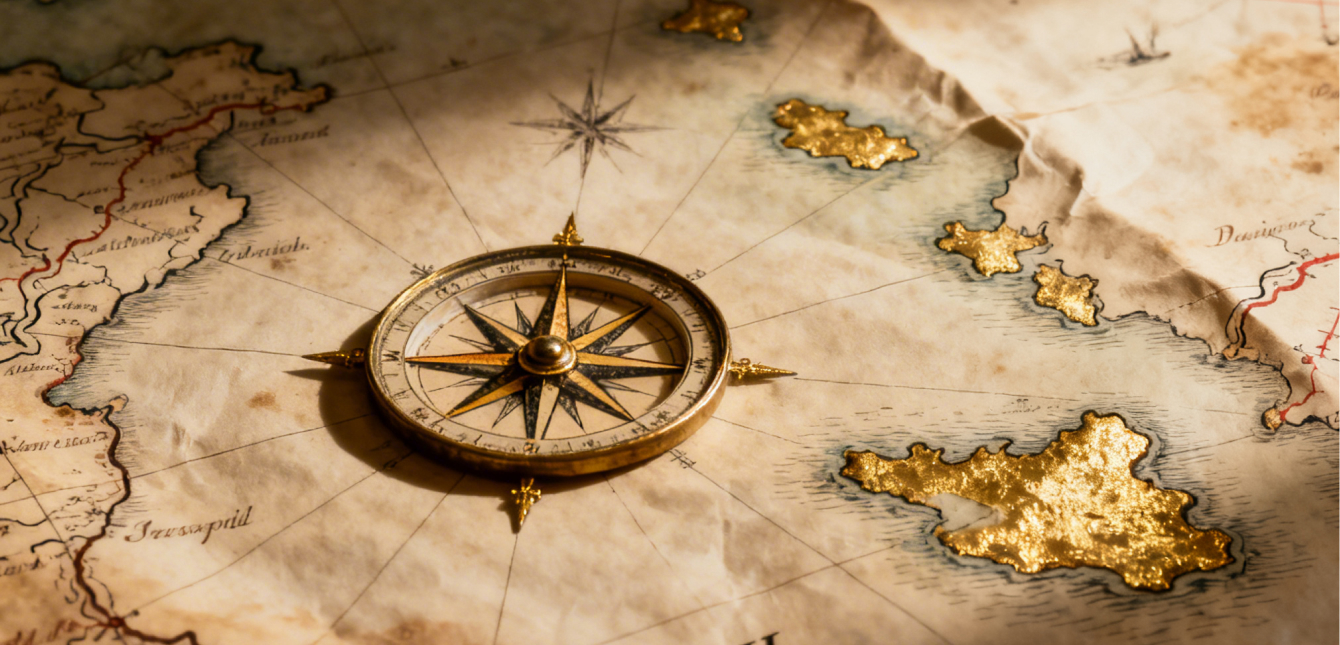
From Ararat to Bahrain: The Border Policies of the Pahlavi Era
The discourse regarding Bahrain is often situated within a larger critique of Iran’s 20th-century border settlements. Under Reza Shah, as Iran sought to consolidate a modern state structure, several territorial agreements were finalized with neighboring nations. Notable among these was the border settlement with Turkey, which finalized the status of the Mount Ararat region.
Decades later, the decision by Mohammad Reza Pahlavi to formally accept Bahrain’s independence became one of the most contentious chapters of modern Iranian history. Critics at the time whose numbers were significant argued that such concessions signaled a shrinking of the Iranian map. For these dissenters, the loss of territory was perceived as a failure to recognize the long-term strategic ambitions of veteran colonial powers.
The Path to Revolution: Territorial Integrity as a Catalyst
In the years leading up to the 1979 Iranian Revolution, a tapestry of economic and social grievances fueled public unrest. However, beneath these domestic issues lay a profound concern regarding foreign policy and territorial sovereignty. Various political factions leveraged historical territorial decisions to frame a larger argument about national independence. The fear that Iran’s regional stature was being systematically eroded by external interests played a crucial role in mobilizing a population that demanded a total reclamation of national agency.
The Current Conflict: A Return to Geopolitical Roots
In recent days, amid escalating military tensions in the region, the security of the Persian Gulf has once again moved to the forefront of global headlines. Reports suggesting that infrastructure or bases within various Gulf principalities have been utilized in operations against Iran have reignited historical debates. Analysts are increasingly drawing parallels between the separation of these territories and the modern military vulnerabilities Iran faces today.
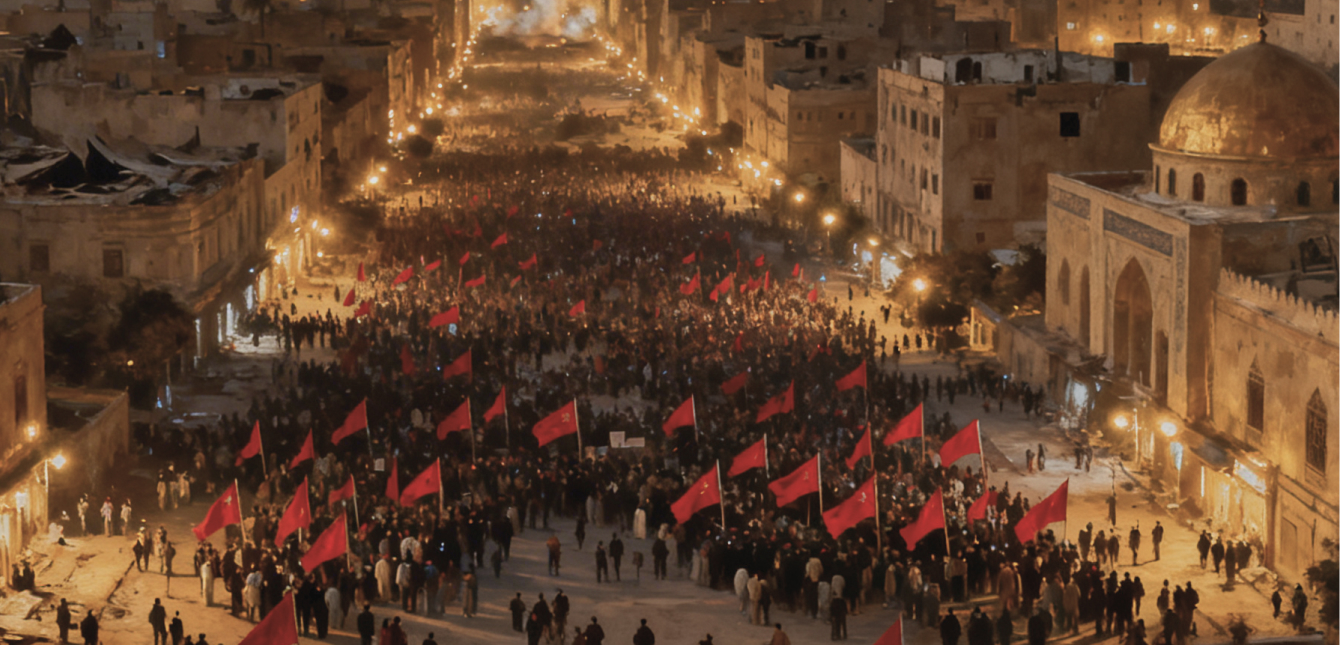
A Phenomenon Seen in the World During These Days of War Between Iran and the Colonial Powers
People’s Presence in the Streets
In these very days of war, a phenomenon has emerged that has attracted the attention of many observers.
Despite the attacks and the wartime atmosphere, many people come out into the streets at night. Some observers interpret this presence as a sign of social solidarity.
Eyewitnesses say that despite the risk of bombing, people gather in the streets to show a kind of national unity and empathy a phenomenon that, according to many intellectuals and analysts, has rarely been seen in the world under wartime conditions.
Iranian Solidarity and Social Courage in Times of War
The Public Pulse: Reflecting on Lost Territories
In field surveys conducted by our research team across Tehran, Mashhad, and Sari, a nuanced sentiment has emerged. When discussing the current security climate, many citizens quietly reflect on the territorial separations of the past. The prevailing sentiment among the thousand respondents surveyed suggests a belief that had the region’s geopolitical architecture remained intact, the modern threats facing Iran might have been mitigated. For the majority, the preservation of Iran's security remains the paramount priority in any regional calculus..
Executive Summary
This report examines the enduring impact of 20th-century territorial shifts on Iran’s contemporary security landscape. By tracing the separation of Bahrain and Pahlavi-era border settlements, the analysis reveals how historical grievances feed into modern Iranian nationalism. Amidst current regional military tensions, the Iranian populace exhibits a notable degree of internal solidarity and a refusal to flee, suggesting that the "geography of the past" remains a vital component of the security of the present.
Category
The Most Active

Riv Design
Company