Iran vs Hegemony: War, Narrative Power, and the Future of Iranian Collective Thought
Mar 29, 2026
Irani News
Introduction — When Numbers Stop Being Numbers
To this moment, in the ongoing conflict in Iran, according to reports published by international sources including the International Federation of Red Cross and Red Crescent Societies (IFRC), as well as media coverage from Reuters and analytical reports published by The Washington Post, significant human casualties have been recorded. In some reports, the death of around 2,000 civilians during these conflicts has been mentioned. Additionally, some sources within Iran to the destruction of more than fifty thousand commercial, residential, healthcare, educational, and recreational-sports facilities. While the final figures are still under review and subject to updating.
However, what matters goes beyond numbers. These are not merely statistics, but rather indicators of the collapse of real lives. Every destroyed home has held the history of a family, and every lost life represents a future that was cut short before it could fully emerge. In this sense, war is not only a military event, but a process that affects “possibilities” at the human and social level.
At the same time, these developments are not solely humanitarian in nature; they also carry political and geopolitical consequences. In such conditions, war can become a tool for redefining the balance of power, shaping political identities, and rearranging the position of countries within the global order.
On the very first day of the war in Iran, an attack on an elementary girls’ school in Minab resulted in the killing and wounding of a significant number of students, mostly girls. This event sparked widespread international reactions and once again highlighted the importance of protecting civilians, especially children and educational institutions.
“Minab School: A continuation of an anti-Iranian pattern”
Understanding Hegemony — Power Beyond Military Strength
What Is Global Hegemony?
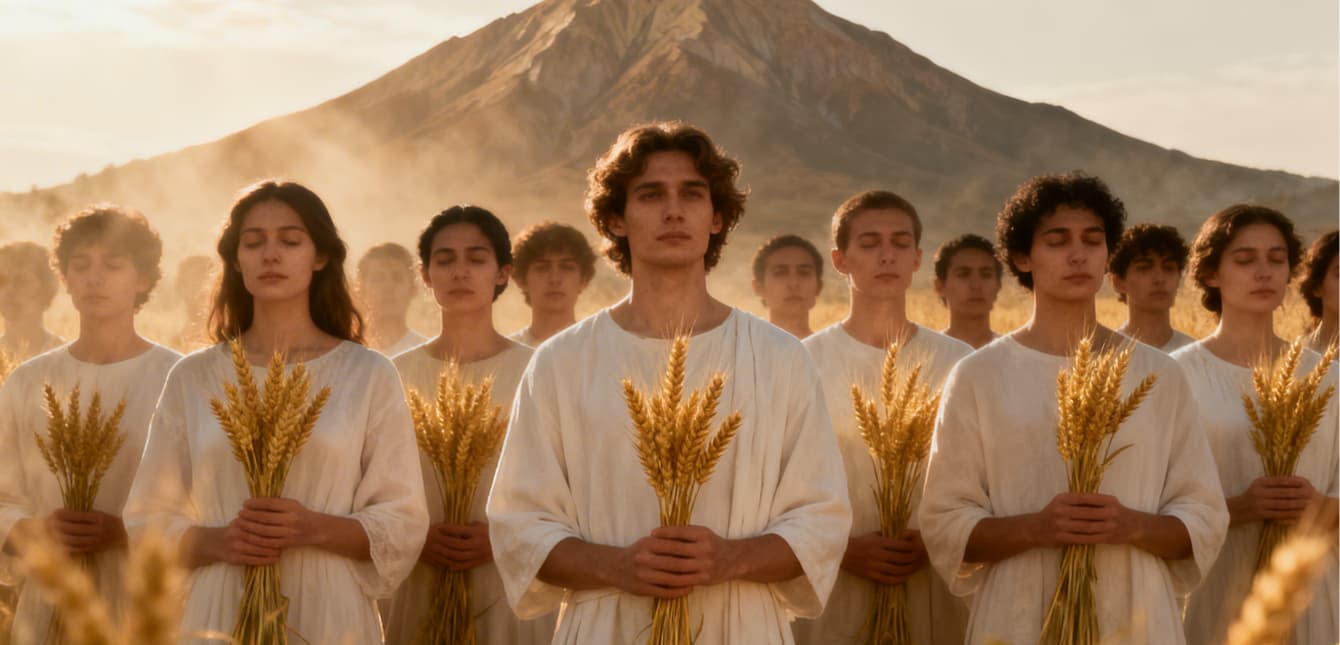
Hegemony is not defined solely by military dominance. It is the ability to shape reality itself how events are interpreted, understood, and remembered.
Hegemonic systems operate through interconnected mechanisms: media networks, financial institutions, legal frameworks, and cultural influence. These systems create a structure in which certain narratives become dominant while others are marginalised.
“American Hegemony in the Global Order: A Historical Analysis”
Why Iran Challenges the Global Order
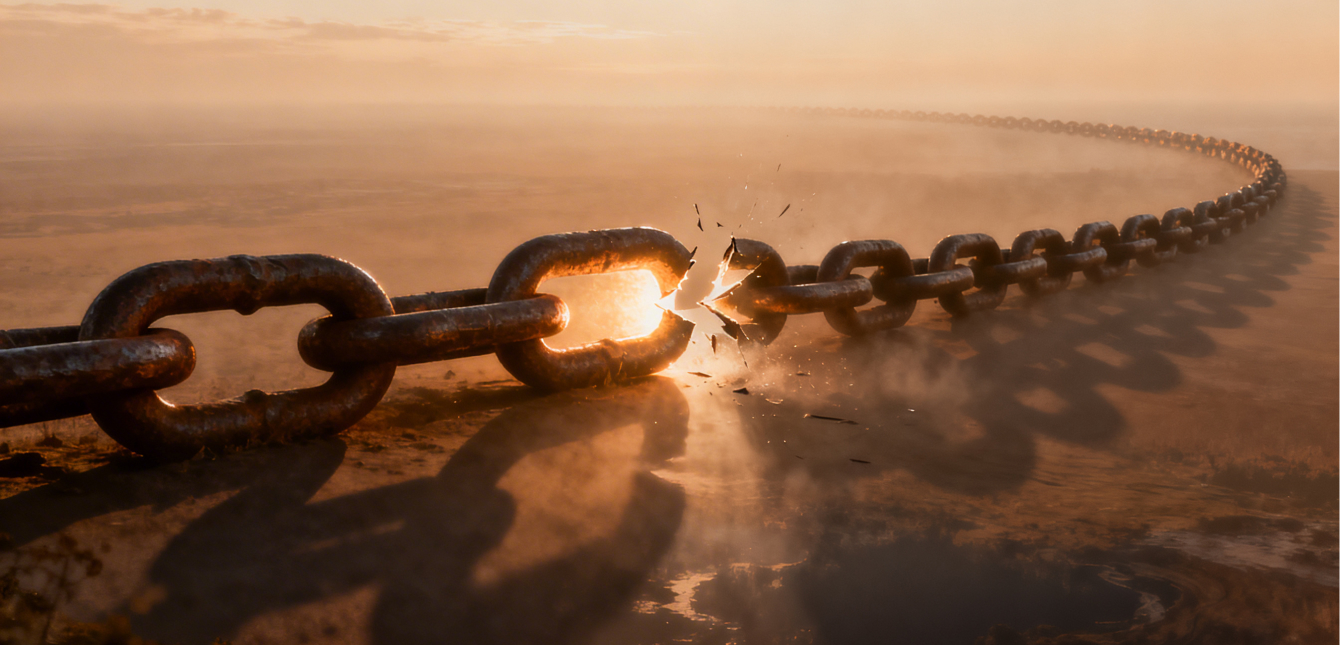
Iran’s position in global politics cannot be reduced to simple political disagreement. It represents a deeper structural challenge.
Iran’s attempt to maintain independence from dominant global systems places it outside conventional power frameworks. Its geopolitical location further intensifies its importance, while its ideological stance questions the legitimacy of global dominance.
This combination transforms Iran into more than a state it becomes a point of tension within the international system.
More critically, Iran symbolises a possibility: the possibility of resisting global hegemony. This symbolic dimension is what elevates its significance.
War as Social Engineering — Shaping the Future
War is not merely about destruction; over time, it leads to the redefinition and transformation of social structures. In such conditions, infrastructure is damaged, economic systems come under pressure, and social cohesion is disrupted. At the same time, patterns of migration and everyday life begin to shift.
However, experience has shown that deeply rooted societies can generate new capacities for reconstruction and progress precisely under such pressures. In the case of Iran, this reality is particularly evident a society that has repeatedly managed to find new paths for continuity and even growth in the face of constraints.
One of the most significant dimensions of this transformation is the shift in “perception.” Generations that grow up in such environments develop a different understanding of concepts such as trust, power, and justice an outlook that can lay the groundwork for new, future-oriented approaches.
Ultimately, modern war can be understood as a form of social engineering a process that operates not only at the physical level but also across mental and cultural domains. Yet what ultimately shapes the future is how societies respond to these transformations and the experience of Iranians demonstrates that resilience, adaptability, and a commitment to rebuilding can steer this path toward strength and progress.
“Psychological Impact of War on Societies”
Iranian Collective Thought — Identity Under Pressure
Iranian collective thought is deeply rooted in historical experience. It reflects a long process of adapting to external pressure while preserving internal identity.
Crises often trigger a form of social cohesion. External threats tend to strengthen a shared sense of identity, even in the presence of internal disagreements.
This does not eliminate internal conflict, but it reorganises priorities. National identity becomes more pronounced, and resistance becomes integrated into the collective mindset.
In this context, identity is not static—it evolves in response to pressure.
Media and the War of Narratives
Who Controls the Story?
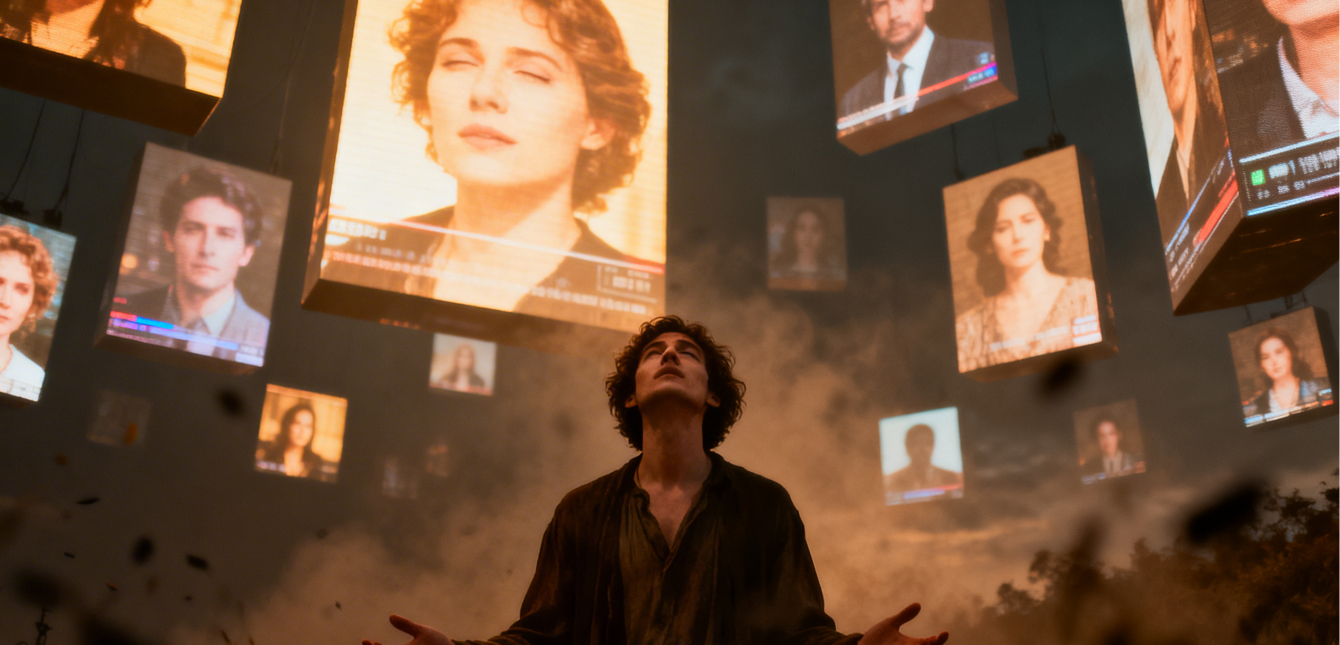
In today’s world, controlling the narrative often matters more than controlling territory.
Media determines visibility. It decides which stories are amplified and which are ignored. Through selective representation, it shapes global perception.
Silence as a Form of Power
Not all manipulation comes through misinformation. Sometimes, silence is more powerful. When suffering is excluded from global narratives, it effectively disappears from collective awareness.
This is why reclaiming narrative becomes essential. Without it, even real events risk becoming invisible.
How Narratives Legitimise War
Within this framework, war can be reframed as necessity. Military actions are often presented as defensive or humanitarian, even when they result in widespread destruction.
This is the essence of narrative power: not changing reality, but controlling how reality is perceived.
“How Media Shapes Public Opinion in War”
Iranian Resistance: From Reaction to Strategy
Resistance is often seen as a natural response to pressure. However, its effectiveness depends on how it evolves.
If resistance remains purely reactive, it can lead to exhaustion. Sustainable resistance requires awareness, strategy, and adaptability.
Understanding the nature of pressure its sources, mechanisms, and long-term goals is essential. Without this understanding, resistance risks becoming directionless.
In contrast, strategic resistance transforms pressure into an opportunity for growth and redefinition.
”Iranian Resistance “From Reaction to Strategy”
The Future of Iran — Outcomes Still Unwritten
Today’s developments are shaping the future in real time. Every experience, every challenge, and every decision becomes part of the path that the next generation will inherit. A generation growing within these conditions will develop a renewed understanding of justice, power, and its place in the global order an understanding that can influence the country’s direction.
Yet Iran’s future is not prewritten; it is being actively constructed. What ultimately shapes this path is how events are “interpreted” and given meaning. The same experience can either become a source of limitation or a departure for empowerment and progress.
Iran’s historical experience demonstrates a consistent capacity to transform challenges into opportunities. A proactive outlook, hope for the future, and the ability to redefine direction are among the factors that can turn critical moments into platforms for advancement.
Ultimately, Iran’s future will be shaped not merely by events, but by the choices made and the meanings assigned to them this is precisely where the potential to build a stronger, more conscious, and forward-moving path emerges
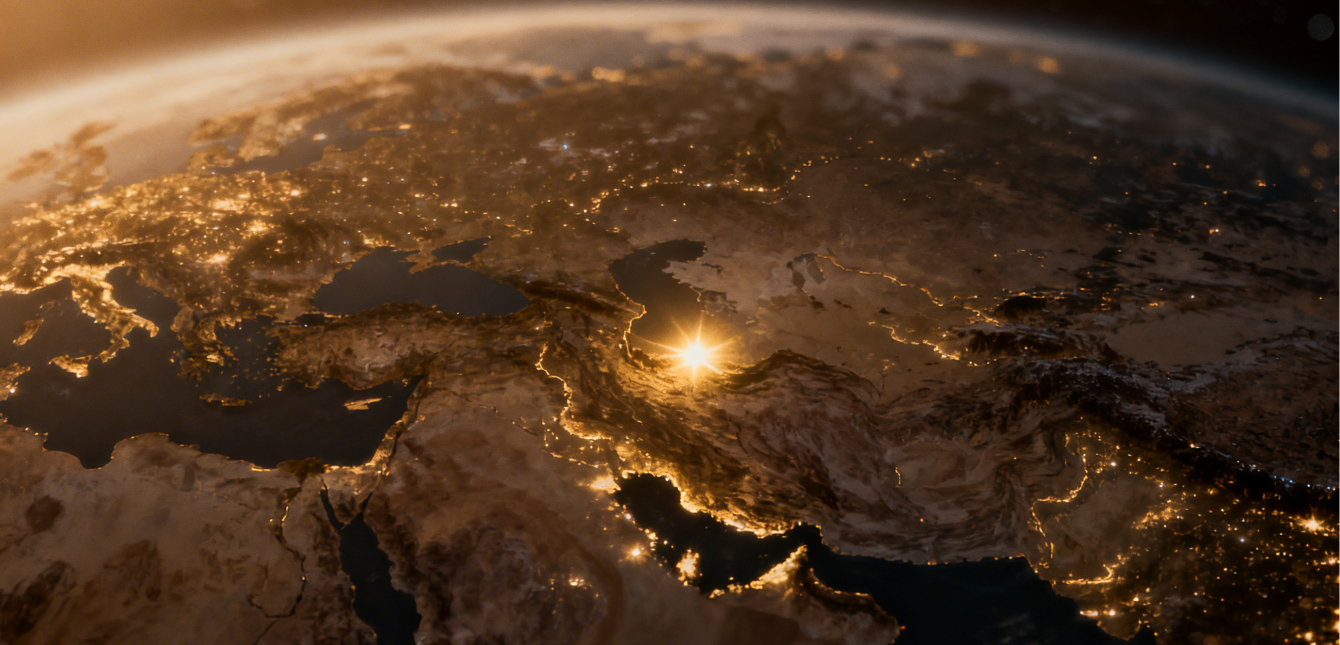
Iran in a Changing Global Order
The global system is undergoing transformation. Power is becoming more distributed, and traditional hierarchies are shifting.
In this environment, countries have the opportunity to redefine their roles.
For Iran, this requires balancing realism with independence. Engaging with global systems while maintaining identity is a complex but necessary process.
Success in this context depends not only on external strategy but also on internal coherence.
When Collective Thought Shapes Destiny
A Transforming Global Order; An Opportunity to Redefine Roles
The global order is undergoing a profound transformation. The distribution of power is shifting, and traditional hierarchies are giving way to more dynamic arrangements. In such an environment, countries have a greater opportunity than ever to redefine their roles and positions.
For Iran, this historical moment is not merely a challenge, but a strategic opportunity. The ability to strike a balance between realism and independence stands as a key national strength. Engaging intelligently with the global system while preserving identity and national interests is a complex yet achievable path, one that can enhance Iran’s position in future global dynamics.
Success along this path depends not only on foreign policy, but also on internal cohesion, social trust, and alignment across different levels of decision-making.
When Collective Thinking Shapes the Future
Ultimately, the future of any society is largely determined by how it thinks. Collective thinking shapes how events are interpreted, how decisions are made, and how the future itself is envisioned.
A society equipped with deep, critical, and forward-looking thinking is more resilient to external pressures and influence. Such a society can navigate complexity without losing its direction or identity
In the case of Iran, this represents a significant advantage. A rich intellectual and cultural heritage, combined with diverse historical experiences, has created a foundation that strengthens the capacity for analysis, adaptation, and decision-making in complex environments.
Within this framework, Iran’s challenge is not solely geopolitical it is equally intellectual and cultural. It is precisely at this intersection that a key capability emerges: the ability to combine deep thought with strategic action a capability that can not only preserve the country’s trajectory, but actively strengthen and guide its future
FAQ
What is hegemony in global politics?
Hegemony refers to a system of dominance that includes military, economic, cultural, and media influence.
Why is Iran significant in global conflicts?
Iran’s independence, strategic location, and resistance to dominant systems make it a key player.
How does media influence war narratives?
Media shapes perception by controlling visibility, framing events, and influencing public opinion.
What determines Iran’s future?
Iran’s future depends on how it navigates current challenges and how its collective mindset evolves.
Category
The Most Active
Riv Design
Company